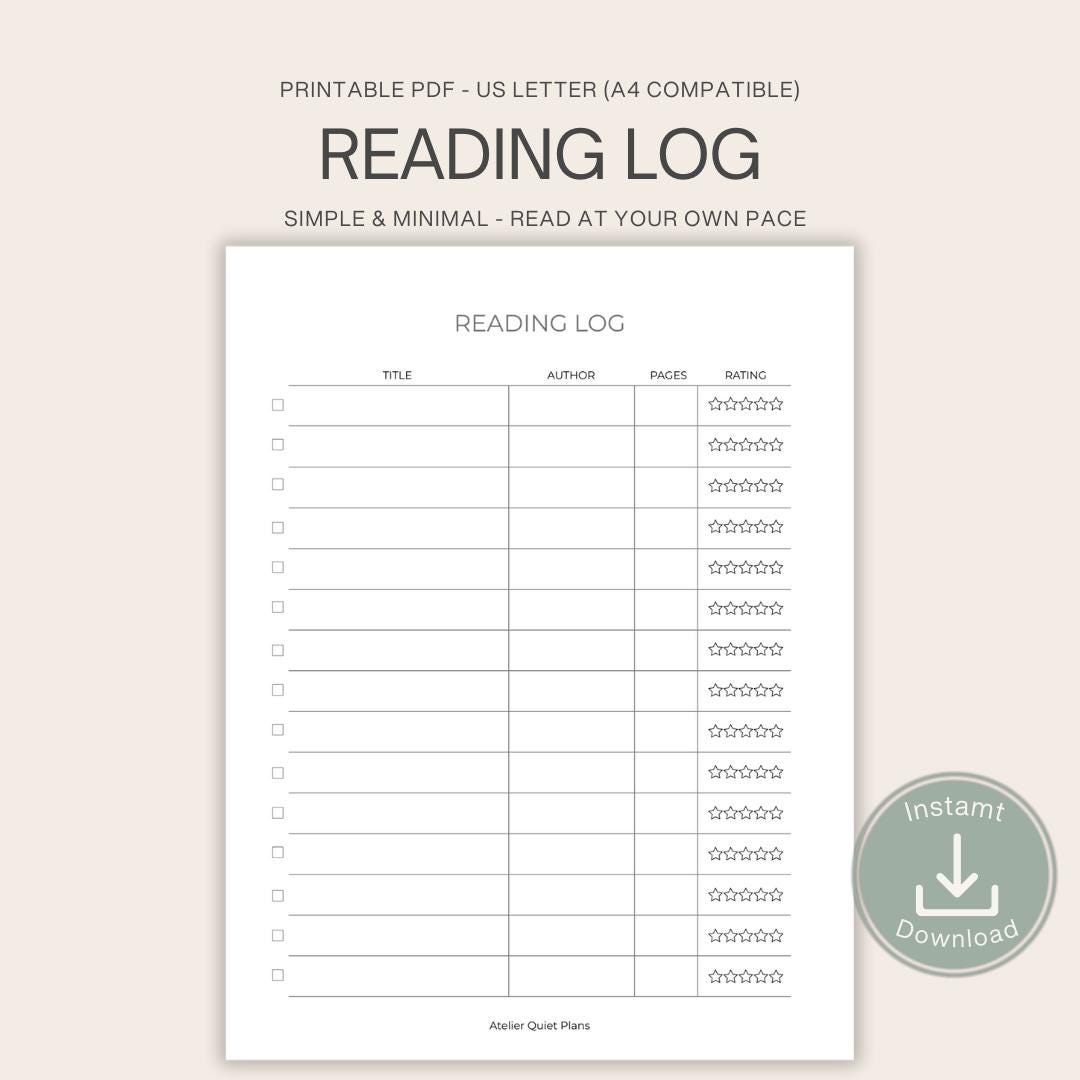
Minimalist Inherit the Wind Reading Log
When studying classic American drama, it is easy to get bogged down by endless notes, character charts, and overly complex journaling systems. If you want to engage deeply with Jerome Lawrence and Robert E. Lee’s courtroom masterpiece without drowning in clutter, it is time to Find Your Minimalist Inherit the Wind Reading Log approach. By stripping away unnecessary decorative elements, you can focus entirely on the sharp dialogue, historical context, and timeless philosophical debates surrounding science, religion, and freedom of thought.

Why Choose a Minimalist Reading Log?
Traditional reading journals often discourage readers because they require too much time to maintain. A minimalist approach values quality of thought over quantity of decoration. When you reduce visual and structural clutter, your reading log becomes a sharp lens rather than a chore.
For a play like Inherit the Wind—which fictionalizes the 1925 Scopes "Monkey" Trial—a streamlined log keeps your attention fixed on the core conflicts. You do not need washi tape or elaborate color codes to track how Henry Drummond and Matthew Harrison Brady clash over the minds of the jury and the town of Hillsboro.
Core Elements of Your Minimalist Reading Log
To keep your template functional and uncluttered, restrict your entries to three essential pillars. This ensures every note you take serves a direct analytical purpose.
1. Play Metadata and Pacing
Keep your administrative tracking brief. Dedicate a single line at the top of your page to the basics:
- Start and completion dates
- Act and scene breakdown
- Primary setting (the stifling courtroom and town square of Hillsboro)
2. Character Dynamic Tracker
Instead of writing exhaustive biographies for every citizen of Hillsboro, focus strictly on the ideological push and pull between the major players. Use a simple, two-column split or bulleted list for:
- Henry Drummond: Rationalism, agnosticism, and the right to think.
- Matthew Harrison Brady: Biblical literalism, conviction, and populist appeal.
- E.K. Hornbeck: Cynical modernism and the detached observer.
- Bertram Cates: The quiet catalyst caught in the crossfire.
3. Thematic Quote Repository
Inherit the Wind is packed with rhetorical fireworks and memorable retorts. Instead of summarizing entire pages, collect three to five impactful quotes per act. A minimalist log treats these quotes as anchor points for your own reflections.
Video: Inherit the Wind scene, creationism vs. evolution

How to Structure Your Journal Layout
Whether you prefer a physical pocket notebook or a digital document, keep the physical layout of your reading log clean and consistent. A two-page spread per act is usually more than enough space.
The Left Page: Plot and Prompt
Use the left page for brief plot progression notes. Answer one central analytical question per act, such as:
- How does the weather reflect the rising tension in the courtroom?
- In what ways does the town's reaction to Brady shift from Act I to Act III?
- How is the concept of "truth" defined differently by Drummond versus Brady?
The Right Page: Open Reflection
Leave the right page completely blank or lined simply for your unstructured thoughts. This is where you write freeform paragraphs connecting the play's 1955 context (the McCarthy era) or modern debates over education and science to the events on the page.
Digital vs. Analog Minimalism
Your minimalist reading log should match your personal workflow habits. Neither format is inherently superior, but each offers distinct advantages for studying drama.
If you prefer analog, grab a simple A5 dot-grid notebook and a single black pen. The physical act of handwriting slows down your processing speed, allowing you to absorb the moral weight of the courtroom scenes more thoroughly.
If you prefer digital, use a clean plain-text editor, a minimalist note-taking app, or a simple spreadsheet. Digital logs make it easy to search for specific keywords like "evolution," "Bible," or "progress" across your entire entry history.
Getting Started Today
You do not need to wait for a structured classroom assignment to analyze great literature. Open a fresh page, write down the title of the play, and set a timer for twenty minutes. Read an act, jot down a single striking quote, and write one sentence about how the conflict makes you feel. By keeping your system lean, you will find that your appreciation for Lawrence and Lee's sharp writing shines through clearer than ever.