Minneapolis Monthly Weather: Complete Year-Round Guide
Few American cities experience the full spectrum of the four seasons quite like Minnesota’s largest metropolis. From sub-zero winter chills cushioned by an interconnected skyway network to sun-drenched summer afternoons on the Chain of Lakes, understanding the nuances of minneapolis monthly weather is essential whether you are planning a weekend trip, relocating, or preparing for an outdoor adventure.

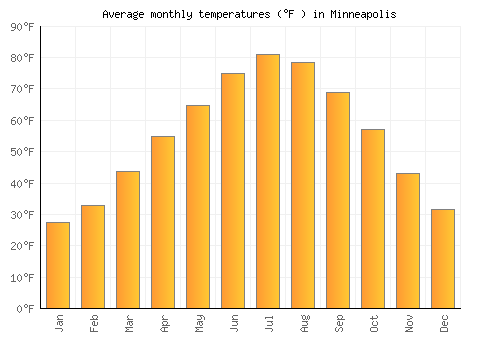
Minneapolis features a hot-summer humid continental climate (Köppen: Dfa). That classification translates to dramatic temperature swings: average annual lows dip well below freezing, while peak summer months regularly bring humid, 80-degree afternoons. Here is a granular, month-by-month breakdown of what to expect in the Twin Cities throughout the calendar year.
Minneapolis Monthly Weather: Season-by-Season Breakdown
Weather data below is based on the 30-year climate normals from the National Oceanic and Atmospheric Administration (NOAA) recorded at Minneapolis–Saint Paul International Airport (MSP).
January: The Deep Freeze
- Average High: 24°F (-4°C)
- Average Low: 9°F (-13°C)
- Average Snowfall: 11.0 inches
January is statistically the coldest month of the year in Minneapolis. Arctic high-pressure systems periodically pull polar air masses southward, driving overnight lows below zero and daytime highs into single digits. Despite the biting cold, sunny "bluebird" days are common. Life in Minneapolis does not stop: locals bundle up in technical winter gear to cross-country ski in Theodore Wirth Park, attend the Loppet Winter Festival, or utilize the 9.5 miles of heated downtown skyways.
February: Steady Winter and Increasing Daylight
- Average High: 29°F (-2°C)
- Average Low: 13°F (-11°C)
- Average Snowfall: 9.5 inches
While February remains firmly in winter's grip, daylight increases noticeably by roughly an hour over the course of the month. Snowpack is typically at its peak depth, creating reliable conditions for snowshoeing, ice fishing on city lakes, and outdoor pond hockey tournaments. Precipitation remains low in volume, falling almost exclusively as dry, powdery snow.
March: The Unpredictable Transition
- Average High: 41°F (5°C)
- Average Low: 25°F (-4°C)
- Average Snowfall: 8.2 inches
March is a transitional month characterized by wild atmospheric shifts. One week might bring temperatures hovering around 55°F with melting snowbanks, followed two days later by a heavy, wet winter storm. Because the ground remains frozen or saturated, March can be messy, slushy, and damp. Water-resistant boots are mandatory gear during this thaw cycle.
April: Signs of Spring
- Average High: 58°F (14°C)
- Average Low: 37°F (3°C)
- Average Rainfall: 2.9 inches
- Average Snowfall: 2.5 inches
Spring finally takes hold in April, though winter rarely leaves without a parting shot. Late-season snowstorms can occur, but snow generally melts within 24 to 48 hours. By late April, city parks green up, street sweepers clear winter salt, and restaurant patios begin to open during mild, sunny afternoons. Rain replaces snow as the dominant form of precipitation.
May: Blooms, Breezes, and Comfortable Days
- Average High: 70°F (21°C)
- Average Low: 50°F (10°C)
- Average Rainfall: 3.9 inches
May is widely regarded as one of the best months to visit Minneapolis. Trees leaf out, tulips and lilac bushes bloom across neighborhoods like Linden Hills, and average daytime temperatures sit squarely in the pleasant 65°F to 72°F range. Evenings can still be brisk, so a medium jacket remains useful. Humidity is moderate, and outdoor events ramp up rapidly.
June: The Onset of Summer
- Average High: 80°F (27°C)
- Average Low: 60°F (16°C)
- Average Rainfall: 4.6 inches
June kicks off the Twin Cities lake season. Days are long—daylight stretches past 9:00 PM near the summer solstice—making it prime time for kayaking Bde Maka Ska or cycling along the Grand Rounds Scenic Byway. June is historically the wettest month of the year, driven by convective thunderstorms that roll in from the Great Plains during late afternoons or evenings.

July: Peak Heat and Humidity
- Average High: 84°F (29°C)
- Average Low: 65°F (18°C)
- Average Rainfall: 4.1 inches
July is the hottest month in Minneapolis. Dew points frequently climb into the mid-60s or low 70s, making it feel muggy. Heat waves can occasionally push daytime temperatures into the mid-90s. When combined with intense sunshine, water activities become the centerpiece of daily life. Air conditioning is ubiquitous throughout restaurants, museums, and hotels.
August: Warm Lake Days
- Average High: 81°F (27°C)
- Average Low: 63°F (17°C)
- Average Rainfall: 4.3 inches
Late summer closely mirrors July, though humidity levels gently decline toward the end of the month. Nights start cooling down slightly, signaling the approaching change of season. August concludes with the opening of the Minnesota State Fair, where visitors can expect warm, sunny fairgrounds weather punctuated by the occasional passing thunderstorm.
September: Crisp Air and Clear Skies
- Average High: 73°F (23°C)
- Average Low: 54°F (12°C)
- Average Rainfall: 3.2 inches
September offers arguably the most comfortable weather of the entire year. Heat and humidity drop sharply, replaced by clear skies, low rainfall, and comfortable daytime highs in the low 70s. By mid-to-late September, foliage begins its initial shift toward gold and crimson around Minnehaha Falls and along the Mississippi River gorge.
October: Peak Autumn Color and Cooling Temps
- Average High: 58°F (14°C)
- Average Low: 40°F (4°C)
- Average Rainfall: 2.6 inches
October brings brisk mornings and crisp afternoons. Peak fall foliage typically occurs within the first two weeks of the month. Freezing overnight temperatures arrive by mid-month, halting the growing season. A rogue snow flurry is not unheard of in late October, though measurable snow accumulations are uncommon.
November: The Winter Prelude
- Average High: 42°F (6°C)
- Average Low: 27°F (-3°C)
- Average Snowfall: 6.8 inches
November is a gray, windy transition month. Sunlight decreases dramatically, lakes begin to freeze along their edges, and the first significant accumulating snow of the season often arrives before Thanksgiving. High temperatures drop from the mid-40s early in the month down to the freezing mark by its conclusion.
December: The Holiday Freeze
- Average High: 28°F (-2°C)
- Average Low: 14°F (-10°C)
- Average Snowfall: 11.5 inches
Winter arrives in earnest during December. Snowfall is frequent, and lakes typically freeze solid enough by mid-to-late month for winter recreation. The city embraces the season with holiday markets, illuminated parks, and festive events. Warm, insulated winter outerwear is an absolute necessity.
Quick Reference: Minneapolis Climate Averages
- Warmest Month: July (Average high: 84°F)
- Coldest Month: January (Average low: 9°F)
- Wettest Month: June (4.6 inches of rain)
- Snowiest Month: December (11.5 inches average)
- Annual Total Snowfall: ~51 inches
What to Pack: Seasonal Travel Advice
Because temperatures vary by more than 80 degrees across the calendar, packing appropriately depends entirely on the window of your visit:
- Winter (December–February): Thermal base layers (merino wool or synthetic), a windproof down parka, fleece-lined hats, insulated mittens, and waterproof winter boots with solid tread for packed snow and ice.
- Spring (March–May): Layer-friendly apparel. Bring a medium-weight water-resistant shell, sweaters, comfortable walking shoes, and an umbrella.
- Summer (June–August): Lightweight, breathable clothing, sunglasses, high-SPF sunscreen, swimwear for lakes, and a light cardigan for heavily air-conditioned indoor spaces.
- Fall (September–November): Flannel shirts, denim, light-to-midweight down jackets, warm socks, and water-resistant footwear.
Minneapolis is a resilient city designed to thrive in all twelve months. By matching your itinerary and wardrobe to the local climate cycle, you can enjoy everything the Twin Cities have to offer year-round.