Missouri State Highway Patrol Accident Report Secrets
Getting into a motor vehicle collision is a stressful, disorienting experience. Once the dust settles and the flashing lights fade, you are left waiting for the official documentation of the event. For many drivers involved in crashes on state highways and interstates, that document is the official Missouri State Highway Patrol accident report. Most people assume this paperwork simply tells the straightforward story of who, what, when, and where. However, there are nuances, omissions, and strategic details that insurers and attorneys scrutinize—details that the casual reader might easily miss.
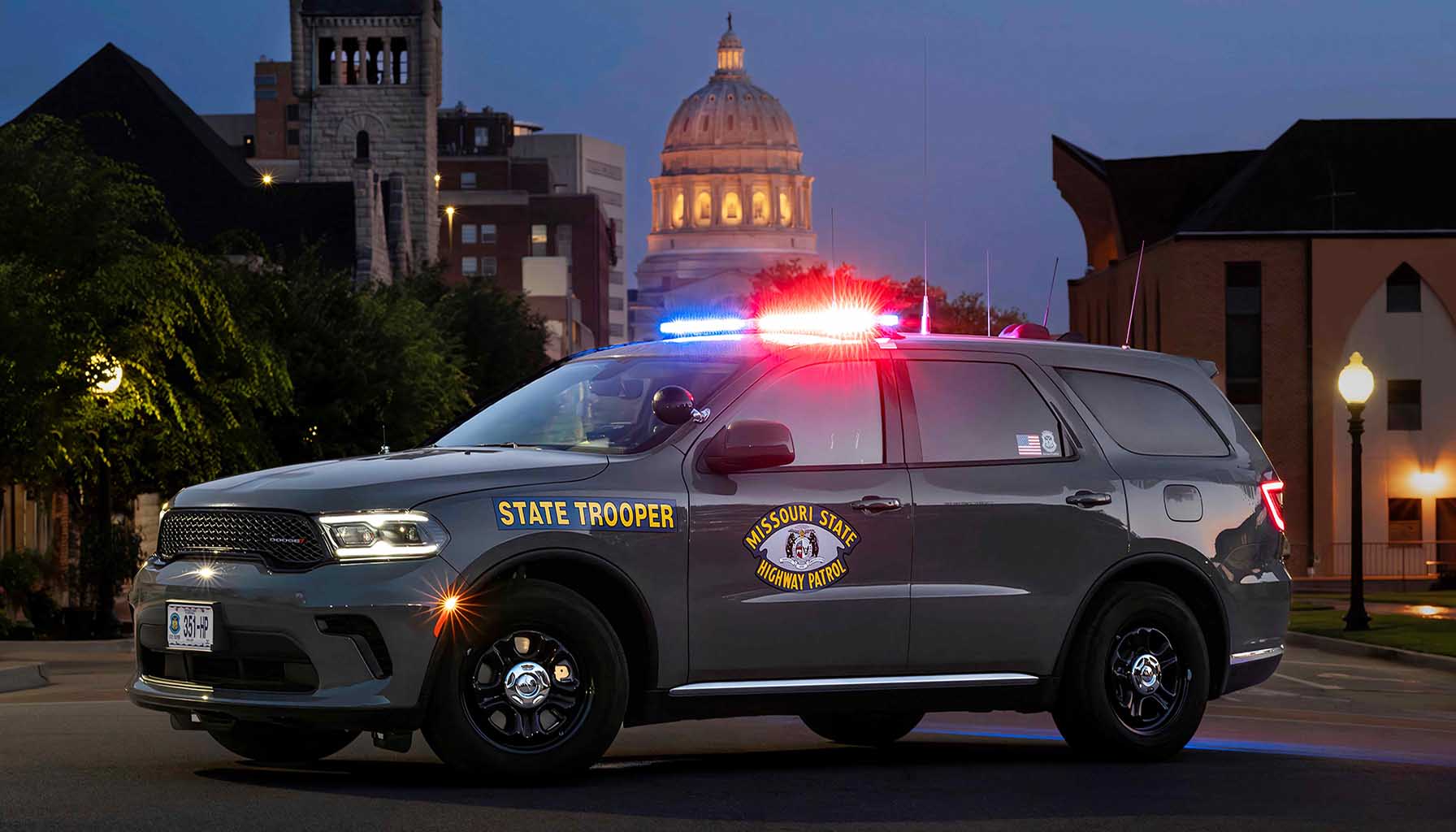
Understanding how these reports are compiled, what information they actually contain, and how to interpret the data can significantly impact an insurance claim or personal injury lawsuit. Here is a breakdown of what you need to know about navigating these vital public records in the Show-Me State.
How the Missouri State Highway Patrol Investigates Crashes
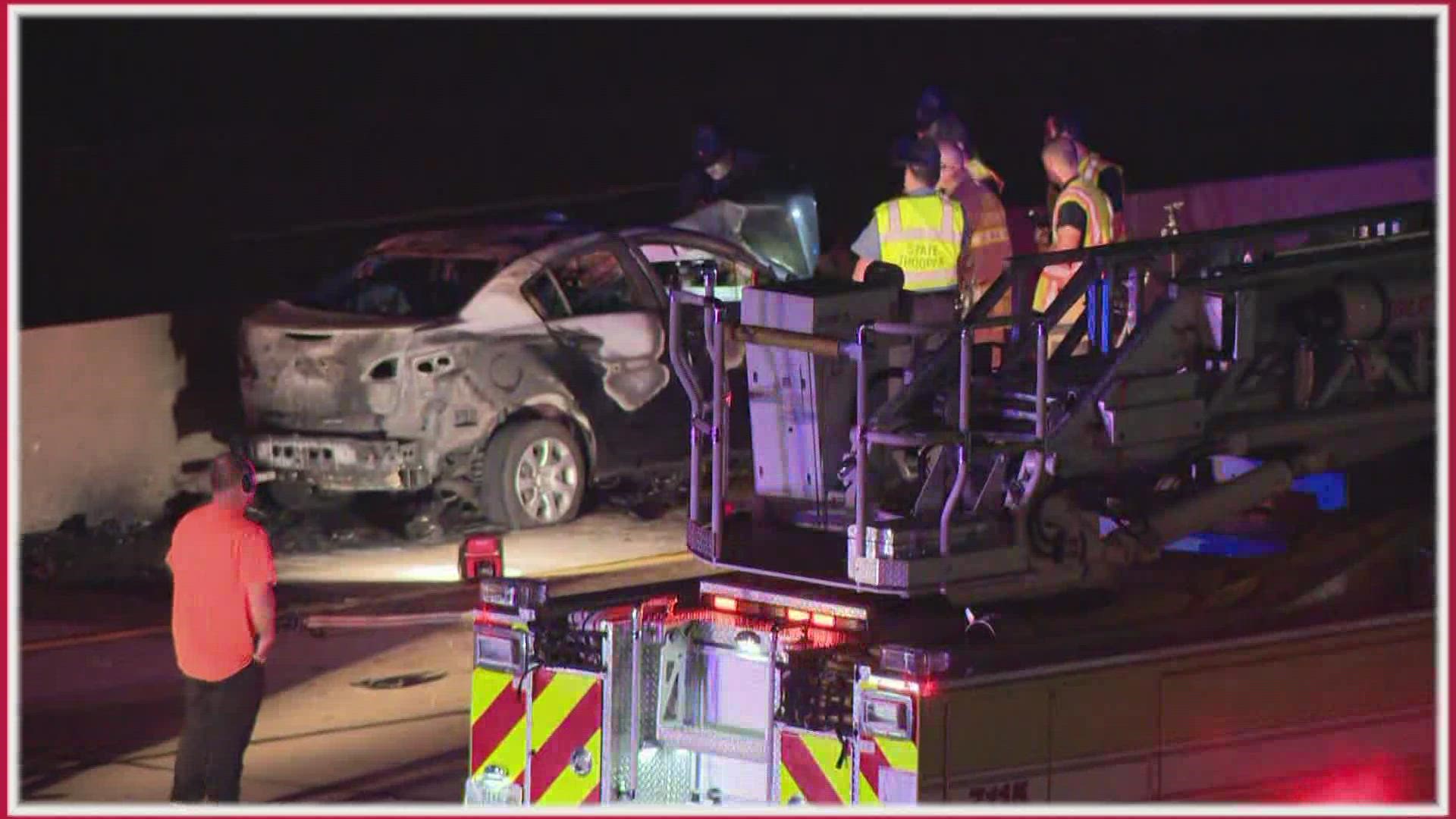
Troopers with the Missouri State Highway Patrol (MSHP) receive rigorous training in crash reconstruction, evidence collection, and driver interrogation. When they arrive at a collision scene, their primary duties are rendering aid, securing the area, and restoring traffic flow. Simultaneously, they begin gathering data to draft their official document.
The responding trooper observes skid marks, vehicle damage, road conditions, and debris fields. They also speak with drivers, passengers, and independent witnesses. Based on these observations, the trooper forms a preliminary opinion about the root cause of the crash. This investigation forms the backbone of the final paperwork, but it is important to remember that a trooper's narrative is ultimately an educated assessment, not an infallible decree of absolute truth.
Anatomy of a Standard MSHP Crash Report
A standard MSHP traffic collision report is typically divided into specific sections. Each part serves a distinct purpose, and knowing where to look helps you extract the most value.
The Header and Identification Data
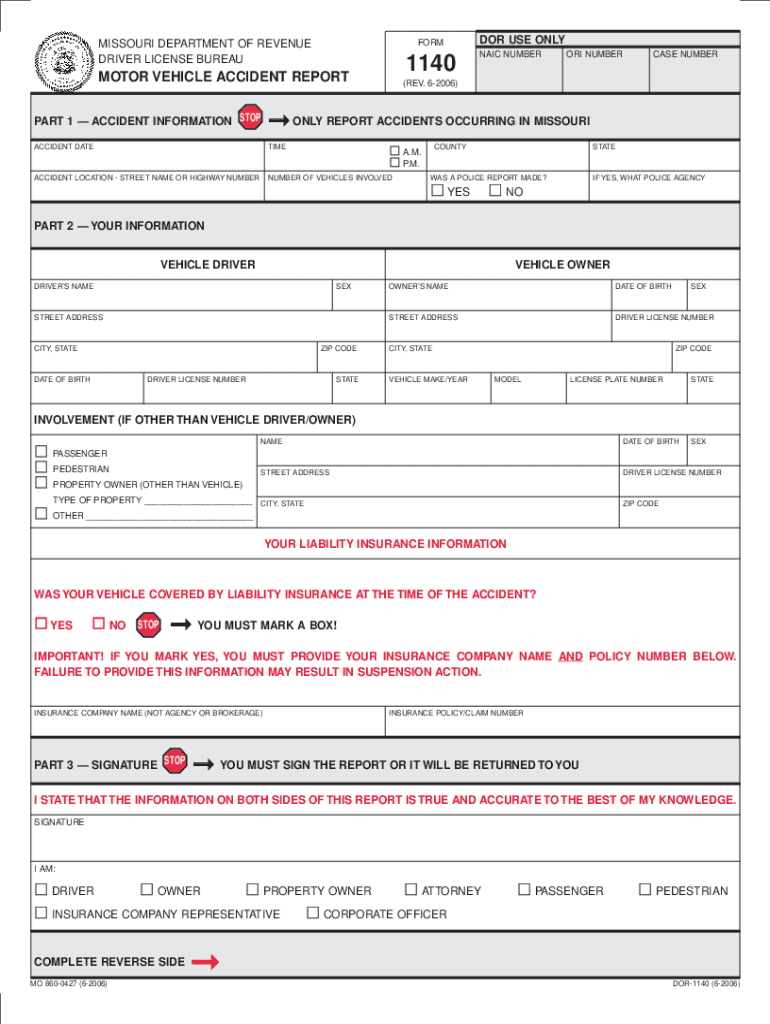
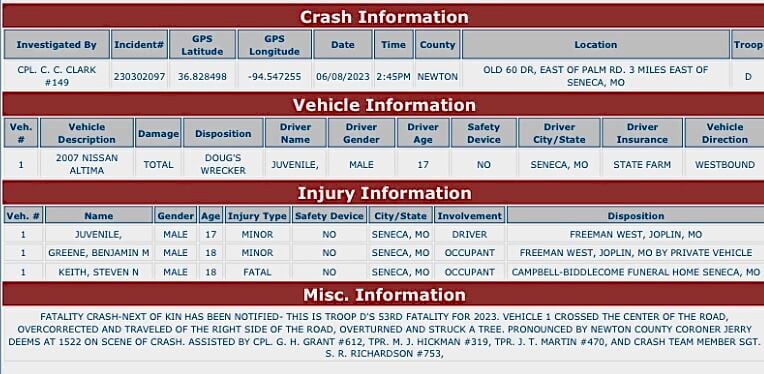
At the top of the report, you will find basic administrative details. This includes the date, time, county, and specific highway or mile marker where the incident occurred. It also lists the investigating trooper's name and badge number. Double-checking this information is crucial; even a minor typo in the location or time can create massive headaches when dealing with insurance adjusters.
Vehicle and Driver Information
This section outlines the make, model, year, and license plate of every vehicle involved, alongside the insurance details and contact information of the registered owners and drivers. If a commercial vehicle was involved, this section will also capture motor carrier identification numbers, which become essential if federal safety regulations were violated.
The Trooper’s Narrative and Diagram
Video: HOLY MOLY! Harrowing Footage Shows Trooper STOPPING 90 MPH WRONG-WAY SPEEDER
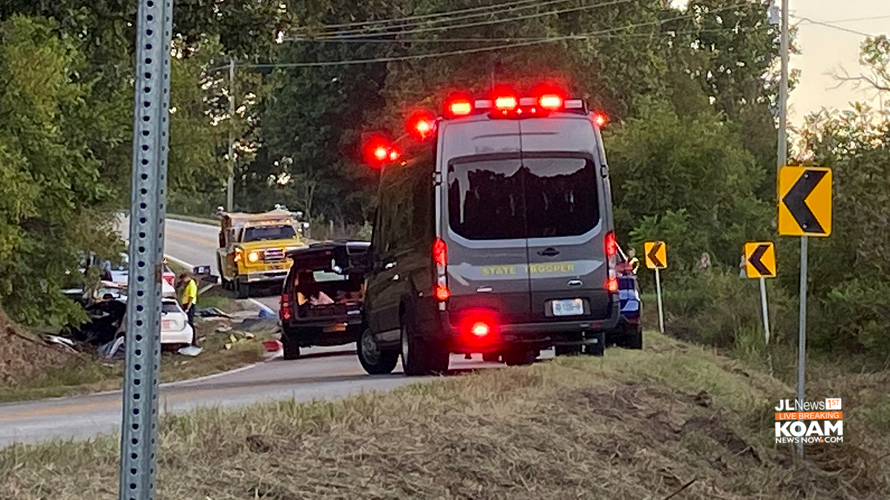
Perhaps the most heavily scrutinized section is the narrative and the accompanying diagram. The trooper writes a summary explaining how they believe the crash unfolded. They may note whether a driver was distracted, speeding, or failing to yield. Below or beside the text, a hand-drawn or computer-generated sketch illustrates the paths of the vehicles prior to and immediately following impact.
What They Don't Want You To See: Hidden Nuances
When people search for insights regarding a Missouri State Highway Patrol accident report, they are often looking for the hidden elements—the subjective interpretations or omissions that can make or break a legal case. While troopers strive for absolute objectivity, several factors often fly under the radar of the average reader.
- Preliminary Assessments vs. Final Truth: Troopers write their initial reports under intense time constraints, often while managing a chaotic roadside. Their preliminary conclusions regarding fault can sometimes be rushed or based on incomplete information.
- Unrecorded Witness Statements: While major statements are summarized, casual remarks made by drivers in the heat of the moment are often paraphrased. A misquoted or misinterpreted off-hand comment can unfairly paint a driver as admitting fault.
- Omitted Environmental Factors: Temporary road hazards, poor signage, or malfunctioning traffic signals might play a massive role in a crash. However, troopers sometimes focus heavily on driver behavior while glossing over systemic infrastructure defects.
- Data Entry Errors: Simple clerical mistakes regarding vehicle speeds, weather conditions, or direction of travel frequently happen, requiring formal supplemental reports to correct.
How to Request Your Official MSHP Report
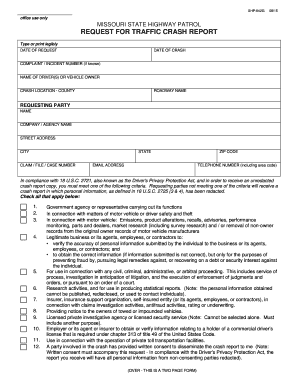
Accessing these records in Missouri is a straightforward process, though it does require a small fee and the correct identifying information. You generally have a few methods to secure a copy:
- Online Portal: The MSHP maintains an online public crash report retrieval system. You will typically need the report number, the name of at least one involved driver, and the date of the crash.
- By Mail: You can submit a written request directly to the MSHP headquarters or the specific troop headquarters that handled the investigation.
- In Person: Visiting a local troop headquarters can sometimes expedite the process, especially if you need the documentation immediately for legal or insurance deadlines.
Keep in mind that non-restricted reports are generally available to the public and involved parties, but if an active criminal investigation is underway—such as a suspected driving while intoxicated (DWI) charge—certain elements may be temporarily withheld.
Steps to Take If the Report Contains Errors
If you receive your MSHP document and discover glaring inaccuracies, do not panic. Correcting the record is possible, though it requires patience and proper evidence.
First, gather any contradictory proof you might have. This could include dashcam footage, photographs of the scene, independent witness testimony, or medical records. Next, contact the investigating trooper or their troop supervisor. Politely submit a formal request for an amendment, highlighting the specific errors with supporting evidence.
If the patrol declines to alter the primary report, your attorney can attach a formal statement of correction or supplementary documentation to your file. This ensures that any insurance adjuster or courtroom evaluating the claim sees both sides of the story.
Conclusion
A Missouri State Highway Patrol accident report is a critical piece of the puzzle following a highway collision. By understanding its structure, recognizing its potential limitations, and knowing how to secure and amend the document, you protect your rights and ensure that the full, accurate story of the incident is told.