Mobile Homes for Rent Ohio: 2024 Smart Guide
With traditional apartment rents climbing in major metro areas like Columbus, Cincinnati, and Cleveland, renters across the Buckeye State are actively rethinking their housing strategies. For individuals and families seeking private square footage, dedicated parking, and a small yard without the steep price tag of a single-family house, manufactured housing has emerged as a premier alternative. If you are exploring mobile homes for rent Ohio offers a diverse, resilient, and surprisingly modern market where your dollar stretches significantly further in 2024.

Why Mobile Homes for Rent Ohio Markets Are Seeing Record Demand
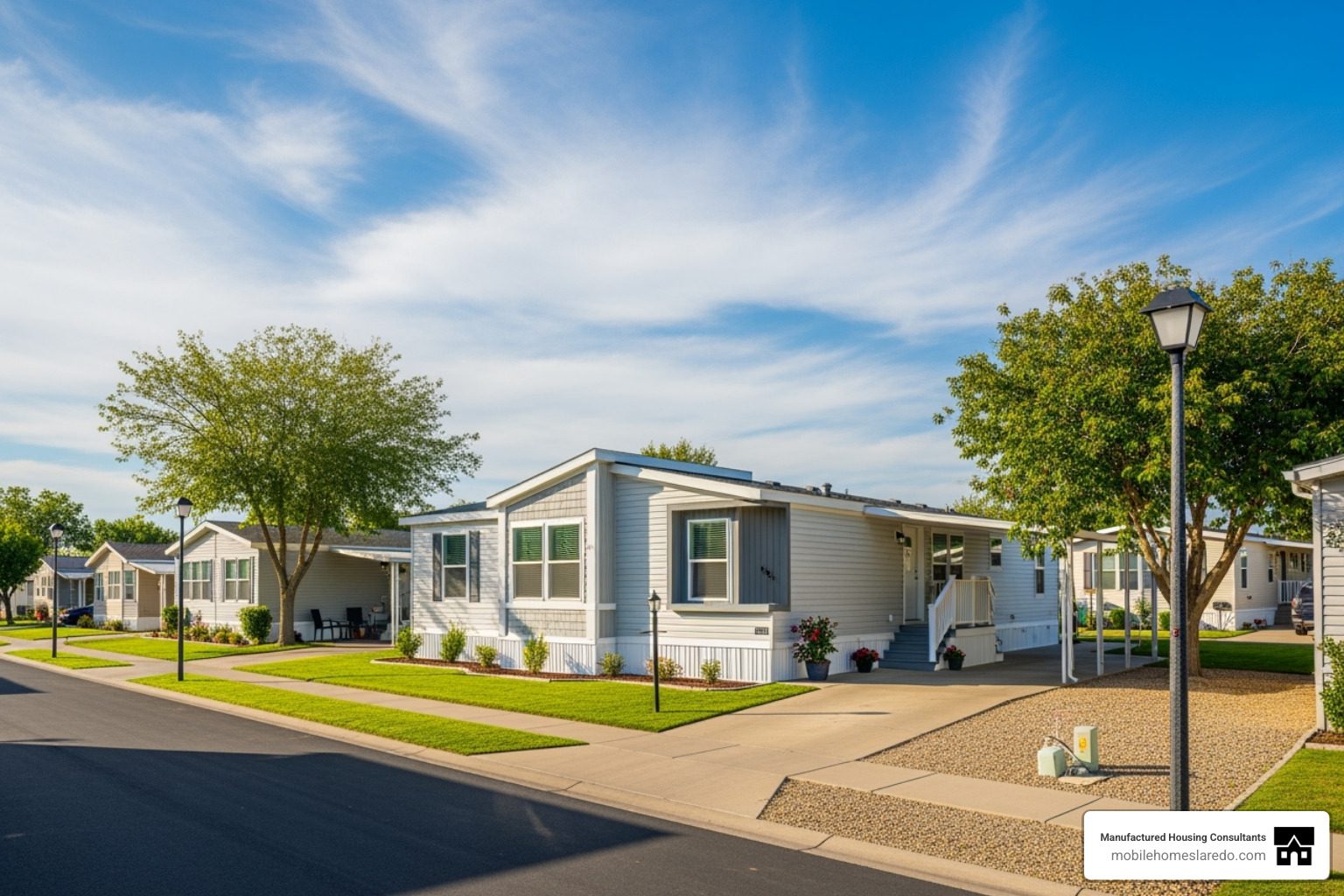
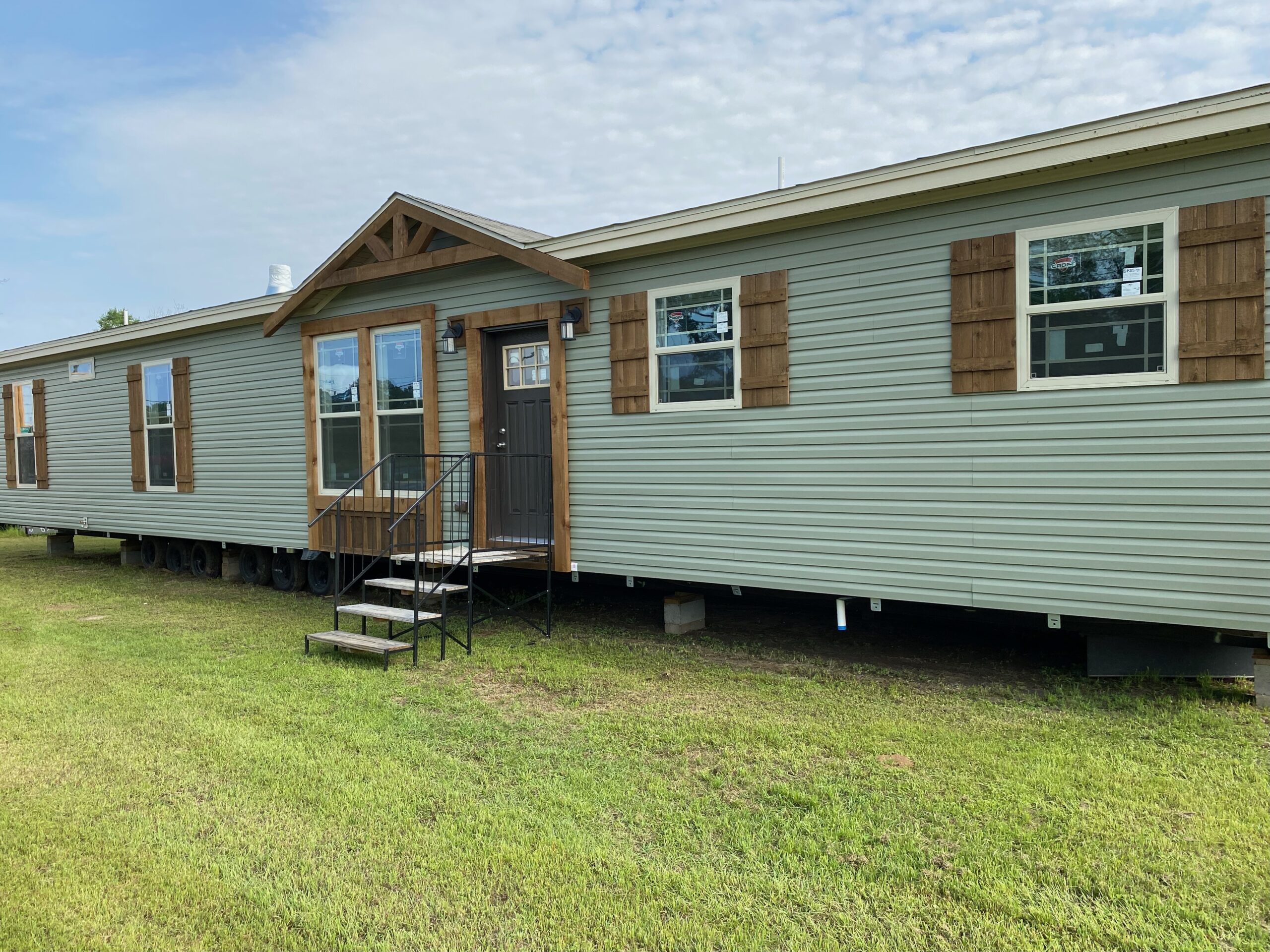
The manufactured housing sector has shed its outdated stereotypes. Today’s communities frequently feature homes built to stringent federal HUD standards, offering modern insulation, energy-efficient appliances, architectural shingles, and spacious open-concept floor plans.
Several underlying factors explain why both budget-conscious tenants and relocating professionals are zeroing in on Ohio manufactured homes this year:
- Cost Per Square Foot: The average two-bedroom apartment in central Columbus or suburban Cincinnati often exceeds $1,300 to $1,600 per month, excluding parking and utility fees. By comparison, a two- or three-bedroom manufactured home in an established park typically rents for $800 to $1,250 per month.
- Privacy and Layout: Unlike shared-wall multi-family complexes, a detached manufactured home eliminates noise from upstairs neighbors and offers immediate access to outdoor space, driveways, and personal storage sheds.
- Community Amenities: Professional community operators (such as Sun Communities, RHP Properties, and regional owner-operators) have invested heavily in park infrastructure, adding community centers, playgrounds, dog parks, and on-site maintenance teams.
Top Ohio Markets Where Renters Are Flocking in 2024
Rental rates and availability vary widely depending on regional job growth, highway access, and municipal zoning. Below are the primary hubs where manufactured home rental activity is concentrated this year.
1. Central Ohio: The Licking, Fairfield, and Pickaway Corridors
Driven by the massive Intel semiconductor development in New Albany and sustained tech and logistics growth around the Columbus outer belt (I-270), Central Ohio has the state's tightest rental market. Renters priced out of Franklin County are heading east into Licking County (Newark, Heath) and south into Pickaway and Fairfield counties (Circleville, Lancaster). Communities here fill vacancies quickly, making early inquiries essential.
2. Southwest Ohio: The Dayton-to-Cincinnati Commuter Belt
The I-75 corridor connecting Dayton and Cincinnati remains an economic powerhouse. Towns in Butler, Warren, and Montgomery counties—such as Middletown, Franklin, and West Carrollton—house numerous well-maintained manufactured home communities. Renters enjoy convenient commutes to healthcare systems, manufacturing hubs, and logistics centers while keeping housing costs manageable.
3. Northeast Ohio: Stark and Summit County Pockets
Outside of central Cleveland and Akron, communities in Canton, Massillon, and surrounding rural townships offer some of the most budget-friendly rental options in the Midwest. A refurbished two-bedroom unit in this region frequently rents under $900 per month, attracting retirees, remote workers, and young tradespeople looking to minimize fixed overhead.
4. Northwest Ohio: Lucas and Wood Counties
Around Toledo, Perrysburg, and Bowling Green, manufactured home communities offer quick transit to automotive suppliers and university campuses. With steady local employment and affordable municipal utility rates, this corridor remains a solid option for value-minded renters.

Understanding the Numbers: Ohio Rental Costs in 2024
When renting a mobile home in Ohio, you will generally encounter two distinct leasing models:
- Park-Owned Home Rental (POH): You pay a single monthly rent check to the park management, which covers both the dwelling and the lot. This is the most common arrangement for short-to-medium-term renters. In Ohio, these range from $750 to $1,350 monthly, depending on age, size (single-wide vs. double-wide), and location.
- Private Sublease / Owner-Financed Rental: An individual homeowner leases their home situated on a rented community lot. In this case, ensure clarity on whether the quoted rent includes the park's base lot fee (which covers trash, snow removal, and land lease) or if that fee must be paid separately.
| Region | Average Monthly Rent (2-3 Bed) | Typical Setting |
|---|---|---|
| Columbus Metro / Outskirts | $1,050 – $1,400 | Suburban, master-planned parks |
| Dayton / Cincinnati North | $900 – $1,250 | Highway corridors, mid-size communities |
| Akron / Canton / Northeast | $750 – $1,050 | Semi-rural and established suburban parks |
| Toledo / Northwest | $700 – $975 | Industrial-adjacent and university fringe |
Due Diligence: What to Check Before You Sign
Renting a manufactured home requires a few unique inspections that don't apply to standard brick-and-mortar apartments. Before handing over a security deposit, verify the following:
1. Heating Source and Winter Insulation
Ohio winters bring freezing temperatures and heavy snow. Inquire whether the home relies on natural gas, electricity, or delivered propane/heating oil. Propane and older electric resistance furnaces can cause winter heating bills to spike. Ask the landlord about the belly wrap condition, heat tape on exposed water pipes, and recent utility averages during January and February.
2. Community Rules and Background Checks
High-quality manufactured housing communities maintain strict standards regarding exterior upkeep, parking limits, quiet hours, and pet breeds. Make sure you read the park’s rules and regulations document thoroughly. Most communities require prospective tenants to pass a criminal background check and credit screening before the lease is executed.
3. Ohio Tenant Protections
In Ohio, manufactured home park tenants are protected under Chapter 4781 of the Ohio Revised Code (ORC), overseen by the Ohio Department of Commerce Division of Industrial Compliance. Park operators are legally obligated to maintain common roadways, electrical hookups, sewage disposal, and water supply in safe, working condition. Familiarizing yourself with these baseline rights prevents unilateral fee hikes or unaddressed habitability issues.
How to Find Available Units Fast
Unlike conventional apartment buildings that spend thousands on digital marketing, many manufactured home communities still rely on regional management, localized yard signage, or direct calls. To locate the best listings:
- Use Dedicated Portals: Search platforms such as MHVillage and MobileHome.net alongside Zillow and Facebook Marketplace.
- Call Park Managers Directly: Many communities keep informal waitlists for upcoming vacancies that never get published online. Identify target parks on Google Maps and call their leasing offices directly.
- Drive Target Neighborhoods: An afternoon drive through well-maintained parks in your preferred school district or commuter radius often reveals "For Rent" signs that offer the best direct-from-owner deals.
By targeting high-growth regions, confirming winter utility arrangements, and vetting community oversight, renters can secure spacious, comfortable homes across Ohio while preserving their monthly savings.