Moderate Definition AP Gov: Exam Study Guide
When preparing for the AP U.S. Government and Politics exam, understanding political ideologies is a fundamental requirement. Among the various political beliefs assessed in Unit 4, the moderate definition ap gov students must understand centers on individuals who occupy a centrist position on the ideological spectrum, rejecting extreme partisan dogma in favor of balance, pragmatism, and compromise.

While mainstream media often focuses on the sharp divide between liberal Democrats and conservative Republicans, moderate voters and lawmakers play a pivotal role in shaping election outcomes, legislative bargaining, and public policy. This guide breaks down the formal definition, key characteristics, and political significance of moderates within the framework of the AP U.S. Government Course and Exam Description (CED).
Moderate Definition AP Gov: Understanding the Centrist Ideology
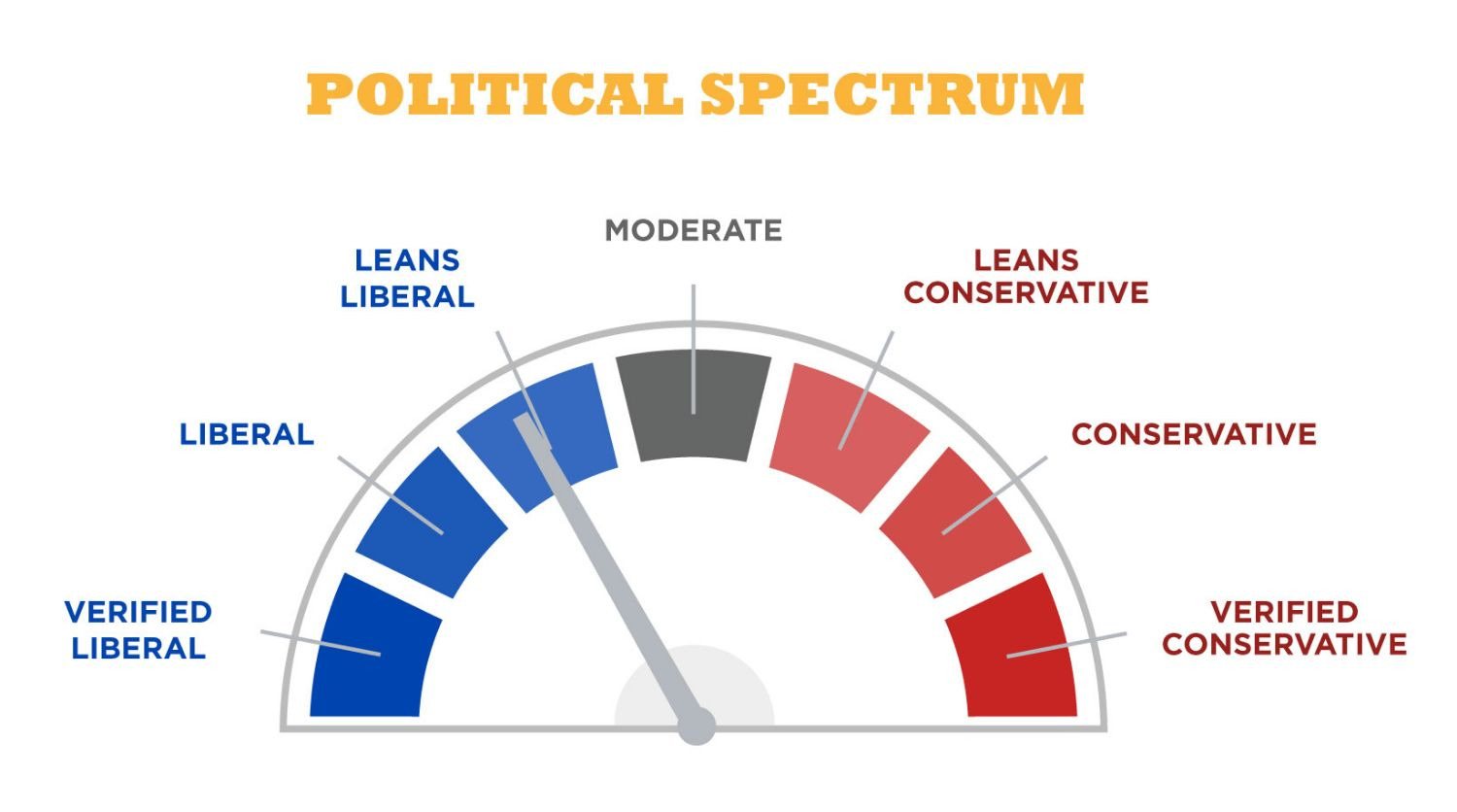
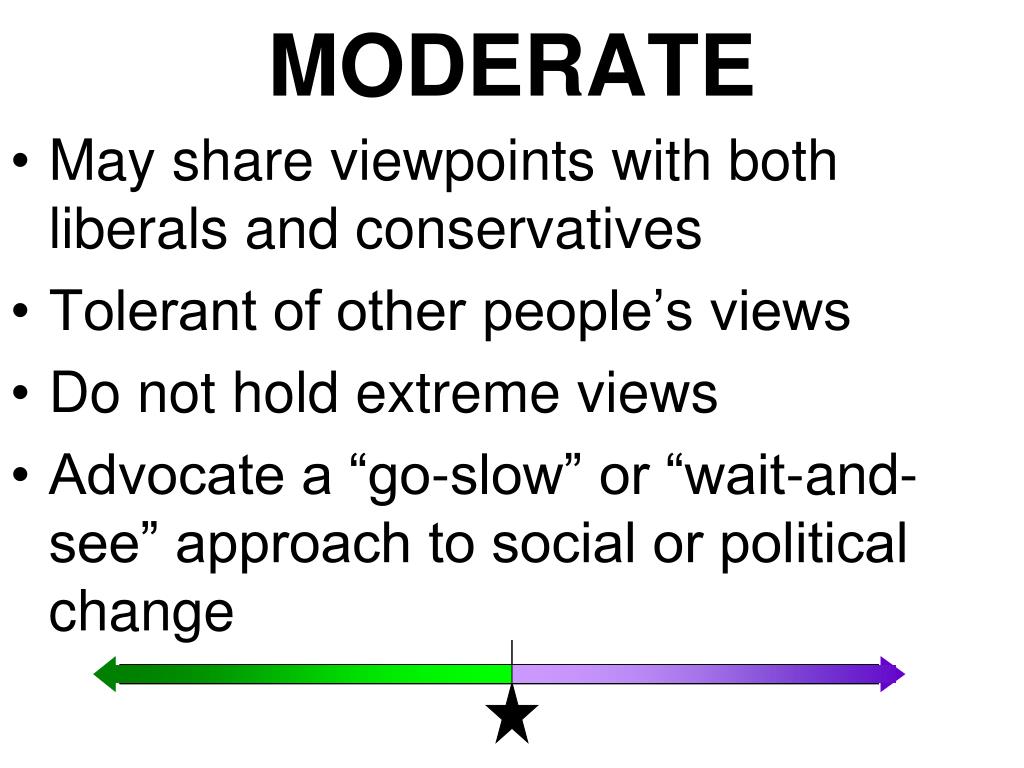
In the context of AP Gov, a moderate is defined as an individual who falls between liberal and conservative ideologies on the traditional left-right political spectrum. Moderates generally avoid adhering strictly to any single political philosophy. Instead, they evaluate public policy issues individually, often adopting liberal views on certain matters and conservative views on others.
Political scientists and the College Board classify political ideology by examining beliefs regarding the proper scope and role of government, particularly in two areas: economic policy and social/individual freedoms. A moderate typically advocates for:
- Measured Government Intervention: A balance between free-market capitalism and essential regulatory oversight.
- Pragmatism Over Dogma: Practical solutions to societal problems rather than rigid adherence to party platforms.
- Incremental Change: Gradual, steady reform rather than rapid, sweeping overhauls or unyielding resistance to progress.
- Compromise and Bipartisanship: The belief that enduring legislation requires negotiation between opposing political parties.
The Ideological Spectrum: Moderate vs. Liberal and Conservative
To accurately identify a moderate on an AP Gov exam question, you must understand how they compare to the two major competing philosophies:
1. Liberals (The Left)
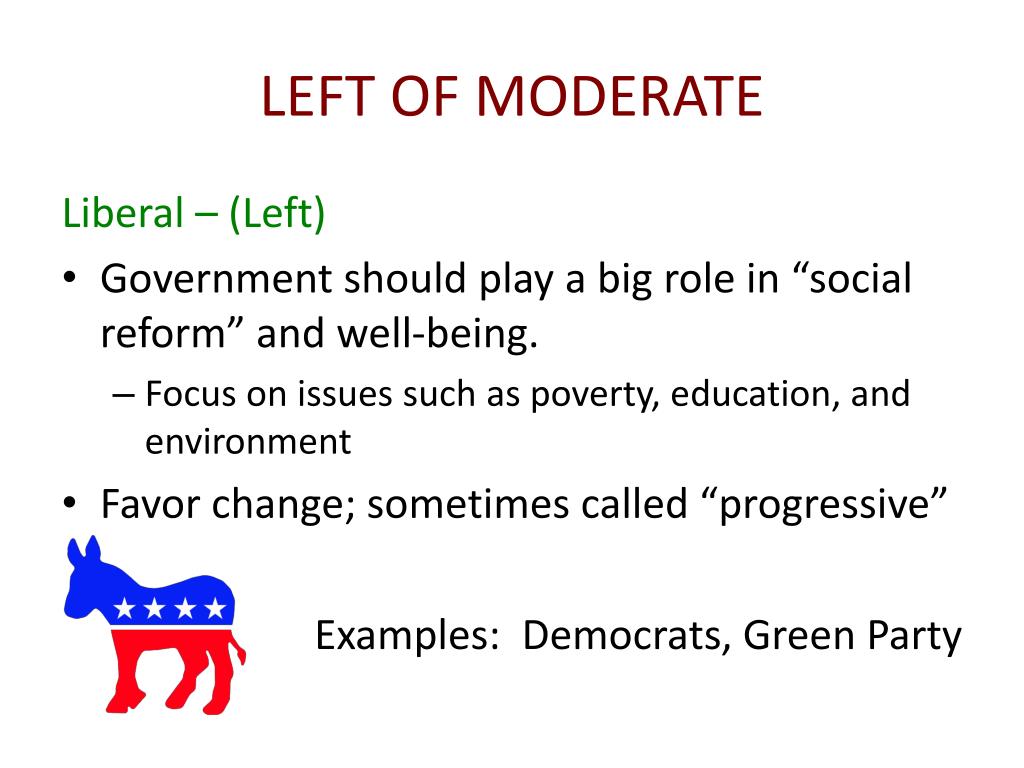
Liberals generally favor a more active role for the federal government in promoting social justice, regulating the economy, and providing social safety nets. They typically support higher taxation on corporations, environmental regulations, and expanded protections for minority groups and civil liberties.
2. Conservatives (The Right)
Conservatives champion limited government intervention in the economy, lower taxes, free-market principles, and traditional social values. They prioritize states' rights (devolution), private property protections, and individual responsibility over expansive federal mandates.
3. Moderates (The Center)
Moderates fall squarely in between. For example, a moderate voter might support environmental regulations (a liberal stance) while simultaneously favoring lower corporate tax rates to spur business growth (a conservative stance). Another moderate might support a strong national defense (conservative) while backing federal protection for reproductive rights (liberal).
Are Moderates the Same as Independents?
One common trap on AP Gov multiple-choice questions is confusing political ideology with party affiliation:
- Moderate is an ideological label describing a person’s philosophy regarding government power and social policy.
- Independent is a partisan or voter registration status indicating that a voter does not formally register with or identify as a member of any political party.
While many political independents describe themselves as moderates, they are not interchangeable terms. An independent can hold extreme libertarian or democratic socialist beliefs, while a registered Democrat or Republican can hold moderate, centrist views.
The Strategic Role of Moderates in American Elections
Moderates are critically important to electoral politics. Two main AP Gov concepts explain why political campaigns dedicate immense resources to appealing to moderate voters:
1. The Median Voter Theorem
The median voter theorem posits that in a two-party system using a single-member district winner-take-all model, candidates will position their platforms as close to the center (the median voter) as possible to maximize their chances of winning. Because the partisan bases are already locked in, the candidate who successfully captures the center typically wins the general election.
2. The Primary vs. General Election Pivot
Candidates face a strategic dilemma known as the electoral pivot:
- The Primary Stage: Turnout in primary elections consists disproportionately of ideological purists and party loyalists. Candidates must often adopt more liberal or conservative positions to win their party's nomination.
- The General Election Stage: After securing the nomination, candidates must “pivot to the center.” They soften their rhetoric and emphasize moderate positions to win over undecided and centrist voters in swing states or competitive districts.
The Impact of Political Polarization on Moderates
A frequent theme on the AP Gov exam is political polarization—the growing ideological distance between the Democratic and Republican parties. Polarization has had profound effects on the role of moderates in American governance:
- Decline of Centrist Lawmakers: Safe gerrymandered congressional districts and ideologically extreme primary electorates have reduced the number of moderate lawmakers in both chambers of Congress.
- Gridlock: With fewer moderates willing to cross party lines, passing bipartisan legislation has become increasingly difficult, leading to frequent legislative stalemates.
- Ticket-Splitting Decline: As voters view the opposing party with increasing hostility (affective polarization), fewer moderate voters engage in ticket-splitting (voting for candidates of different parties on the same ballot).
How Moderates Appear on the AP Gov Exam
To succeed on test day, be prepared to apply the moderate concept across multiple question formats:
Multiple-Choice Questions (MCQs)
MCQs often present quantitative data, such as a Gallup or Pew Research poll showing public opinion on ideological self-identification over time. You might be asked to interpret trends—such as the proportion of Americans identifying as moderate compared to liberal or conservative—and connect those trends to voting patterns or primary election outcomes.
Free-Response Questions (FRQs)
On the Argument Essay or Quantitative Analysis FRQ, you may need to explain how the ideological distribution of the electorate influences candidate campaign strategies. Be ready to explain how candidates balance the demands of extreme primary voters against the need to attract moderate swing voters during the general election campaign.
Key Takeaways for Review
- Definition: A moderate holds centrist political beliefs, advocating for pragmatic policies, gradual reform, and bipartisan compromise.
- Ideology vs. Party: “Moderate” describes political philosophy; “Independent” describes non-membership in a political party.
- Electoral Impact: Moderates serve as critical swing voters in general elections, incentivizing candidates to temper extreme rhetoric after the primary season.
- Institutional Barrier: Increased political polarization and closed primary systems have diminished the influence of moderates within modern American legislative bodies.