Mohela's Loan Deferment Process and Forms Guide
Navigating Mohela's Loan Deferment Process and Forms
Managing federal student loans can become overwhelming, especially when unexpected financial hardships arise. If you are struggling to make your monthly student loan payments, pausing them temporarily can offer vital breathing room. For borrowers assigned to the Higher Education Loan Authority of the State of Missouri (MOHELA), understanding Mohela's loan deferment process and forms is the first step toward regaining control over your personal finances.
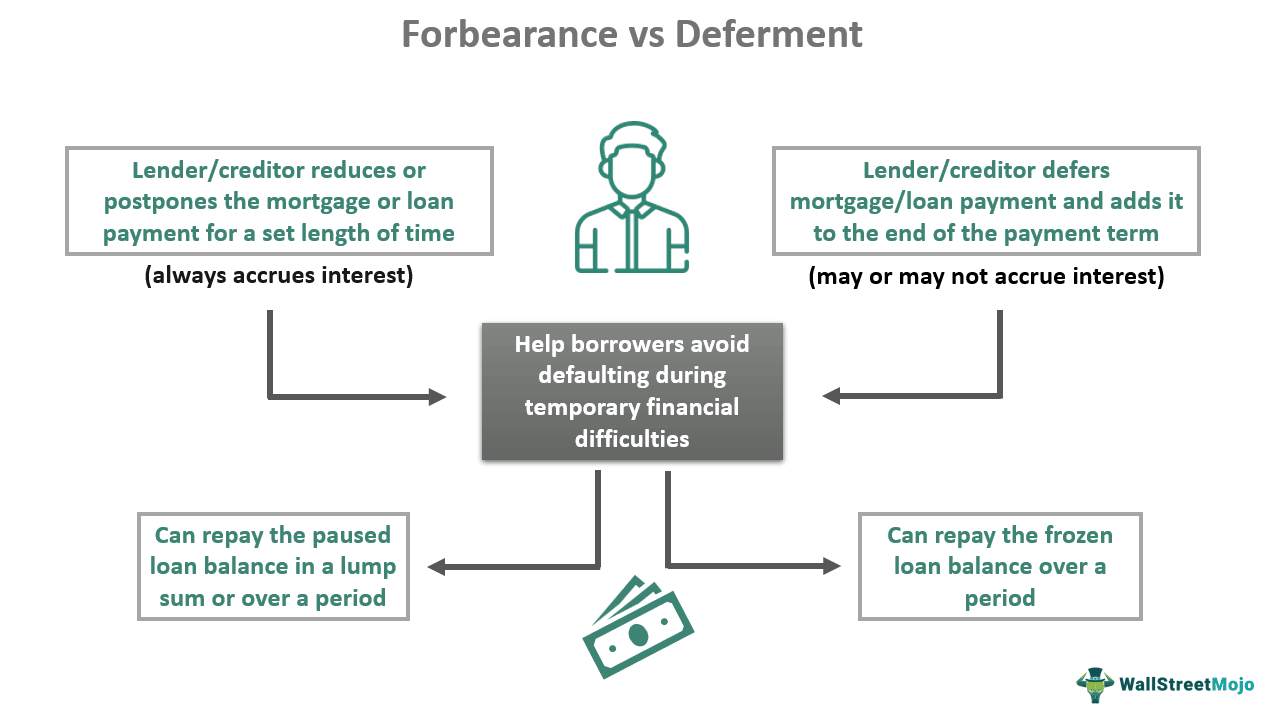
Deferment allows you to temporarily suspend your monthly principal and, in certain specific cases, your interest payments. However, unlike forbearance—which is typically granted for shorter terms and almost always accrues interest—certain federal deferments prevent interest from accumulating on subsidized loans. To successfully secure a pause on your account, you must understand eligibility requirements, complete the correct paperwork, and follow up to ensure approval.
What is Federal Student Loan Deferment?
A deferment is an authorized period during which you are not required to make payments on your federal student loans. While it provides immediate financial relief, approval is never automatic. Borrowers must formally apply and prove they meet specific federal criteria.
Common reasons for requesting a deferment include:
- Enrollment in an eligible college or career school at least half-time.
- Participation in an approved graduate fellowship program.
- Active duty military service or post-active-duty service.
- Experiencing economic hardship or serving in the Peace Corps.
- Medical treatment or rehabilitation training programs.
It is important to remember that MOHELA acts as a federal loan servicer. They do not set the rules for deferment; rather, they process applications and administer the guidelines established by the U.S. Department of Education.
Types of Deferments Available Through MOHELA
Before diving into the paperwork, you need to identify which category of deferment fits your current life circumstances. Each type has distinct rules regarding interest accumulation and required documentation.
In-School Deferment
If you return to school at least half-time pursuing a degree or certificate at an eligible institution, your loans may qualify for an in-school deferment. While many schools automatically report enrollment data to the National Student Clearinghouse—which updates your MOHELA account—you should always monitor your account status to prevent accidental delinquency.
Economic Hardship and Unemployment Deferment
If you are actively looking for full-time work and unable to find it, or if you are earning a low income relative to your family size and federal poverty guidelines, you may qualify for an unemployment or economic hardship deferment. These are typically granted in increments of up to one year, with a maximum cumulative limit of three years for most loan programs.
Military Service and Post-Active-Duty Deferment

Service members on active duty during a war, military operation, or national emergency are entitled to defer their loan payments. Additionally, a post-active-duty deferment is available for qualifying individuals during the 13-month period following the conclusion of their active service (or until they return to college or career school at least half-time).
Step-by-Step Guide to Mohela's Loan Deferment Process and Forms
Submitting a request incorrectly can cause frustrating delays and potential missed payments. By following a structured approach, you can ensure your application moves smoothly through MOHELA's system.
- Log into your MOHELA account: Access your online dashboard to check your current loan status, verify which loans you want to defer, and identify any pre-populated digital forms.
- Select the correct form: Navigate to the "Forms" or "Repayment Options" section on MOHELA's website. Choose the specific form that matches your situation (e.g., Economic Hardship Deferment Request, In-School Deferment Request).
- Gather supporting documentation: Most deferment applications require proof. This might include a letter from your employer confirming your unemployment status, official school registrar documentation, or proof of income via tax returns or pay stubs.
- Complete and sign the paperwork: Fill out all requested fields accurately. Incomplete applications will be rejected, forcing you to start the process over. Both electronic signatures and wet signatures are generally accepted depending on the submission method.
- Submit the documents: Upload your completed forms directly through your secure MOHELA account portal for the fastest processing times. Alternatively, you can mail or fax the documents using the contact information listed on the specific form.
What Happens After You Submit Your Application?
Once MOHELA receives your paperwork, processing typically takes between 10 to 15 business days. During this transition period, it is vital to keep up with your regular monthly payments unless MOHELA has explicitly placed a temporary administrative forbearance on your account while reviewing your file.
If your deferment is approved, you will receive a notification via email or postal mail outlining the exact start and end dates of your deferment period. Review this notice carefully to confirm that all requested loans are included.
Interest Accrual During Deferment
A crucial factor to understand is how interest behaves while your loans are paused:
- Subsidized Loans: The federal government pays the interest on Direct Subsidized Loans and older Federal Stafford Subsidized Loans during authorized periods of deferment.
- Unsubsidized Loans: Interest continues to accrue on Direct Unsubsidized Loans, Grad PLUS loans, and parent PLUS loans during deferment. If you do not pay this interest as it accrues, it will eventually capitalize (be added to your principal balance), increasing the total cost of your loan.
Alternative Options If You Do Not Qualify
If you discover that you do not meet the strict federal criteria for a deferment, do not panic. MOHELA offers alternative safety nets to help you avoid default.
Consider applying for a general forbearance, which pauses payments for financial difficulties not covered by deferment categories (though interest will almost always accrue). Alternatively, explore Income-Driven Repayment (IDR) plans. Programs like SAVE, PAYE, or ICR calculate your monthly payment based on your income and family size, potentially lowering your payment to as little as $0 per month while keeping you on track toward federal loan forgiveness.
Final Tips for Managing Your Account
Communication is your greatest asset when dealing with student loan servicers. Never assume a payment is paused simply because you mailed a form. Regularly check your MOHELA inbox, keep copies of every document you submit, and maintain a written log of any phone calls made to customer service representatives. By staying proactive, you can successfully protect your credit score and manage your debt responsibly.