Monarchy Paintings: History, Symbolism & Famous Works
For centuries, the visual arts have served as the ultimate instrument of political power. Long before the era of mass media and television broadcasts, rulers relied on visual representation to command authority, cement political alliances, and project divinity. Today, monarchy paintings remain some of the most captivating artifacts in art history, offering a window into the psychology of rule, fashion, and the shifting tides of political ideology.

Whether depicting Tudor monarchs in heavy velvet or Baroque kings draped in ermine, these canvases were never meant to be mere reflections of reality. They were carefully choreographed statements of intent.
The Purpose and Power of Royal Portraits
When a king or queen commissioned a portrait, they were not simply paying for a flattering likeness. They were investing in statecraft. In eras where the average subject would never lay eyes on their sovereign in person, monarchy paintings acted as stand-ins for the monarch's physical presence.
These artworks were shipped across borders to negotiate marriages, displayed in grand halls to intimidate foreign ambassadors, and hung in provincial town halls to remind citizens of who held the ultimate monopoly on violence and law. Every element within the frame—from the subject's posture down to the drapery of the tablecloth—was chosen with meticulous care.
Symbolism Hidden in Plain Sight
To truly understand historical royal artwork, one must learn to read the visual language of the era. Painters and their royal patrons packed canvases with allegorical symbols to communicate divine right, intellectual prowess, or martial dominance. Common motifs included:
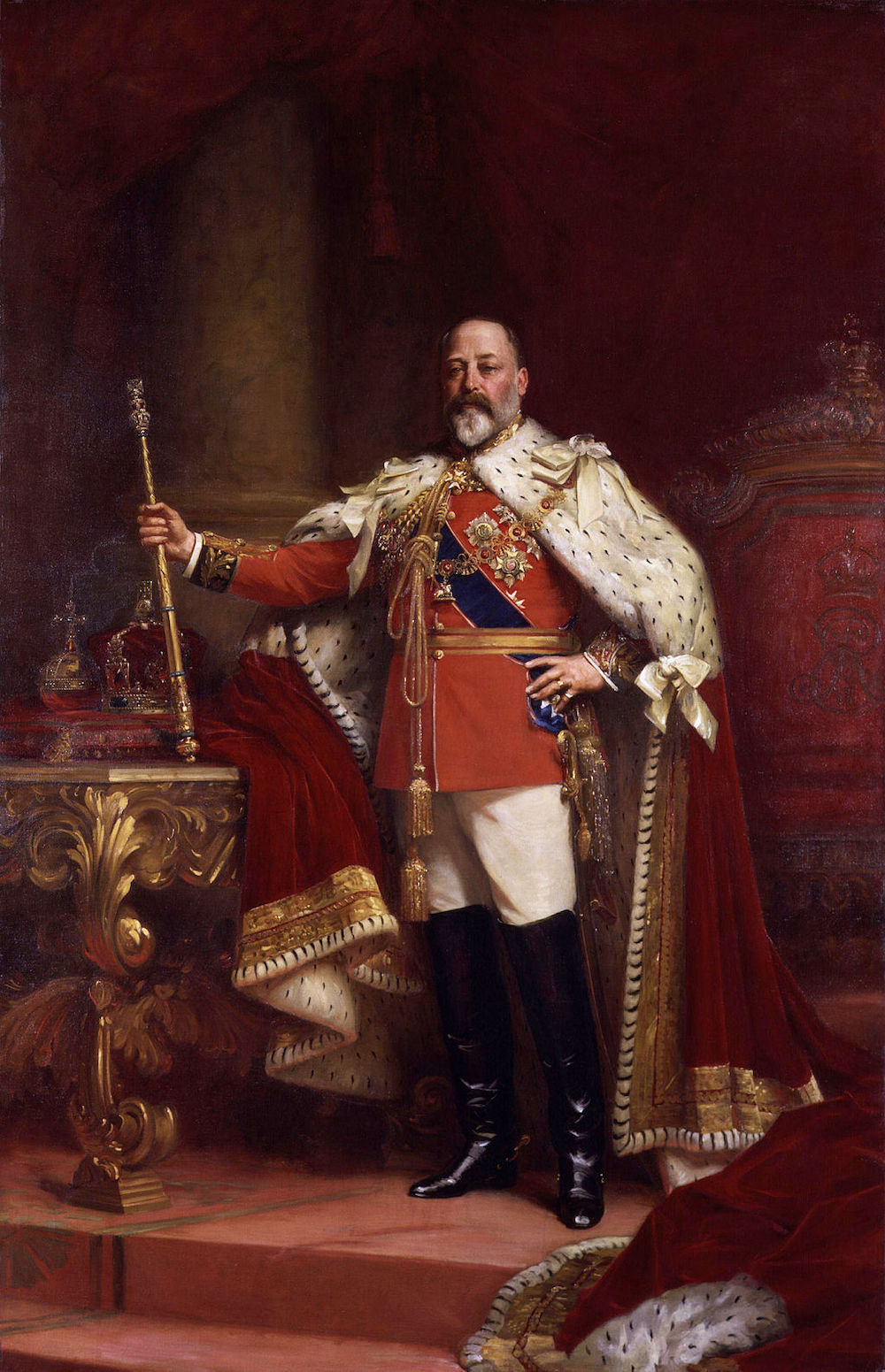
- Globes and Scepters: Direct symbols of earthly dominion and judicial authority.
- Columns and Drapery: Classical architectural elements representing stability, endurance, and theatrical majesty.
- Hunting Dogs and Weapons: Subtle nods to nobility, control over the wild, and military readiness.
- Expensive Fabrics: Velvet, silk, and ermine signaled immense wealth and access to global trade networks.
Key Eras in Royal Art History
The style of sovereign artwork evolved dramatically alongside shifting artistic movements and political philosophies. Different centuries demanded entirely different visual vocabularies.
The Renaissance and Tudor Splendor
During the Renaissance, portraiture shifted from flat, medieval iconographies toward humanism and psychological depth. However, in Tudor England, artists like Hans Holbein the Younger balanced this humanism with an imposing, unyielding flatness designed to strike awe into the viewer.
Holbein’s famous depictions of Henry VIII present the king as an immovable fortress. Standing square to the viewer with legs apart, the monarch occupies nearly the entire canvas, projecting sheer, unfiltered authority. These pieces established a blueprint for how Tudor and early Stuart rulers wished to be perceived: unassailable and monumental.

The Baroque Age and Divine Right
If the Renaissance emphasized structural stability, the Baroque period dialed the drama up to eleven. This was the golden age of absolute monarchy, epitomized by the court of Louis XIV, the Sun King, in France.
Painters like Hyacinthe Rigaud captured monarchs in swirling, dynamic poses that seemed to burst out of the frame. In Rigaud’s iconic 1701 portrait of Louis XIV, the aging king poses in voluminous robes of state, with a massive wig cascading over his shoulders and his legs positioned in a balletic stance. It is theatrical, opulent, and utterly designed to convince Europe of France's cultural and political supremacy.
The Romantic Era and Heroic Realism
As the centuries progressed and democratic revolutions threatened absolute rule, monarchy paintings had to adapt. By the 19th century, portraiture often leaned into Romanticism, presenting sovereigns not as aloof demigods, but as rugged national heroes or sympathetic family figures.
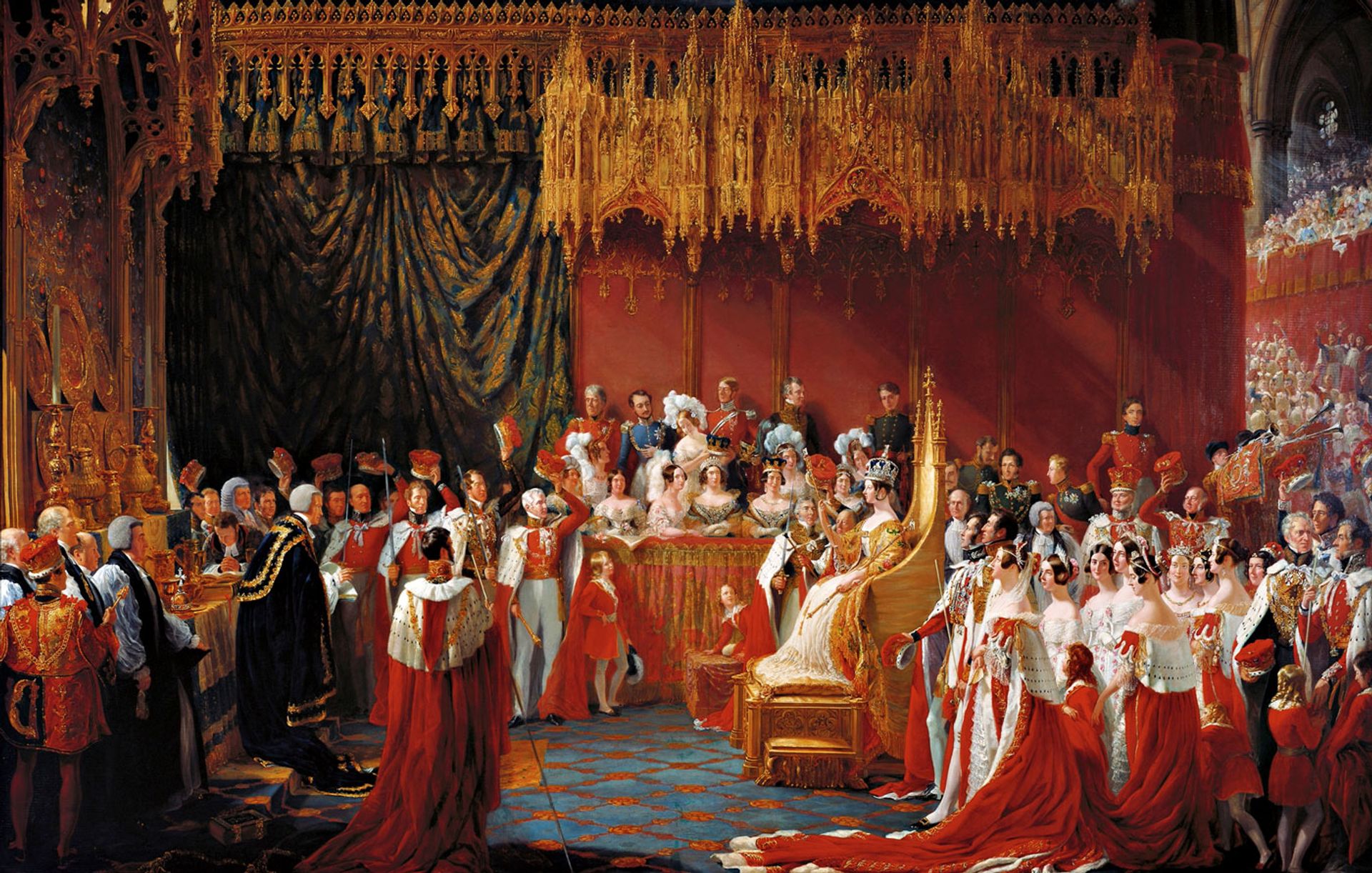
Napoleon Bonaparte masterfully manipulated this shift. Artists like Jacques-Louis David painted Napoleon crossing the Alps on a fiery steed—a composition that owed more to idealized myth-making than historical reality. Later in the century, British and European courts favored more intimate, domestic settings, presenting queens like Victoria as matriarchs of vast, modern empires rather than distant tyrants.
Master Painters of the Royal Court
Behind every great sovereign sat a visionary artist capable of translating political ambition onto canvas. Several painters defined the genre through their unique mastery of light, texture, and psychology:
- Diego Velázquez: Court painter to Philip IV of Spain, Velázquez revolutionized portraiture with his loose brushwork and psychological insight, most famously seen in Las Meninas.
- Sir Anthony van Dyke: Working primarily for Charles I of England, Van Dyke introduced an effortless, elegant, and melancholic grace that defined the Cavalier aesthetic.
- Sir Thomas Lawrence: The leading portraitist of the Regency era, Lawrence captured the shifting moods of European royalty and military leaders following the Napoleonic Wars.
Where to View Famous Royal Art Today
For enthusiasts looking to experience these masterpieces firsthand, major museums and royal residences around the globe house breathtaking collections. The National Portrait Gallery in London, the Louvre in Paris, the Prado in Madrid, and the State Hermitage Museum in St. Petersburg remain premier destinations for viewing the definitive faces of dynastic history.
Ultimately, studying these canvases allows us to trace the evolution of power itself. They remind us that long before the age of digital branding, monarchs mastered the art of the image, transforming oil and pigment into eternal symbols of power.