Morgan’s Net Worth Reveal: How He Reached $1 Billion in Record Time
Few financial headlines have captured public attention quite like the sensational claim surrounding Morgan’s Net Worth Reveal: How He Reached $1 Billion in Record Time. When an artist or entrepreneur surges through commercial milestones, rumors of unprecedented private equity buyouts, lucrative catalog liquidations, and ten-figure balance sheets spread quickly across social platforms. But is reaching a $1 billion valuation in record time a verifiable financial reality, or is it another case of the internet conflating gross revenue generation with personal net worth?

To understand the true magnitude of this wealth milestone, we must look past viral soundbites and analyze the concrete mechanics of high-tier wealth accumulation: gross touring revenues, streaming economics, intellectual property multiples, equity retention, and effective taxation. Here is a definitive breakdown of the numbers, the rumors, and the economic facts.
The Spark Behind the Billion-Dollar Rumor
The sudden explosion of interest in Morgan's purported billionaire status originated from a familiar intersection: record-breaking commercial performance coupled with opaque entertainment contracts. When public reports surfaced detailing historic ticket sales, consecutive sold-out stadium dates, and catalog streaming figures that rival legacy pop icons, industry watchers began running rough calculations.
In modern media, high-level business success is frequently translated into exaggerated net worth estimates. If an entertainer generates $400 million in gross tour revenue and their catalog commands tens of billions of streams, headlines often leap directly to the ten-figure benchmark. However, gross revenue generated for an industry ecosystem is vastly different from the liquid cash and equity held by a single individual.
Morgan’s Net Worth Reveal: How He Reached $1 Billion in Record Time
To evaluate the legitimacy of Morgan’s Net Worth Reveal: How He Reached $1 Billion in Record Time, it is necessary to deconstruct what reaching a $1 billion valuation genuinely requires in the modern entertainment and business landscape.
Historically, reaching ten figures in record time requires either creating a hyper-scaled consumer brand (such as Rihanna’s stake in Fenty Beauty or Kim Kardashian’s Skims) or securing outright ownership of exceptionally high-margin intellectual property. If Morgan has indeed approached or crossed the billion-dollar milestone, the math must rely on four distinct economic pillars:
1. Enterprise Value vs. Liquid Take-Home
When analysts evaluate rapid wealth creation, they look at enterprise value. If Morgan’s operational brand, touring rights, merchandising operations, and publishing catalog were packaged as an integrated media company, that enterprise could theoretically command a 10x to 15x multiple on earnings before interest, taxes, depreciation, and amortization (EBITDA). An enterprise generating $70 million to $100 million in recurring annual net profit can easily achieve a private-market valuation near $1 billion, even if the individual’s personal bank account reflects only a fraction of that figure.
2. The Multiplier Effect of Master Rights and Publishing
Music catalogs have transformed from simple royalty streams into institutional financial assets. Private equity firms such as Blackstone, Hipgnosis, and Shamrock Capital have spent billions purchasing music rights at multiples ranging from 15x to 25x Net Publisher’s Share (NPS). For an artist dominating streaming platforms year after year, the capital value of their publishing and master recording rights represents the largest single component of their theoretical net worth.
Video: LeBron James' net worth reaches $1 Billion, joins Jordan on NBA's Billionaires list | UNDISPUTED

3. Live Touring Margins
Stadium tours are the primary cash engine of modern entertainment. A single multi-city stadium run can gross between $250 million and $450 million. However, the waterfall distribution of touring revenue is steep:
- Venue & Production Costs: 35% to 45% of gross receipts are consumed by staging, lighting, venue rentals, and crew logistics.
- Promoter Fees: Promoters typically claim 10% to 15% of net profits.
- Management, Legal, & Agency Fees: Professional representation usually accounts for 15% to 20% of the artist's gross cut.
- Taxes: Federal, state, and local taxes consume roughly 40% to 47% of remaining earnings.
After this waterfall, an artist typically pockets between 25% and 35% of total gross sales. While massive, touring alone rarely produces a liquid billion-dollar net worth without decades of accumulation.
The Blueprint: How Billionaires Actually Form in Record Time
If we look across the modern business landscape at founders and cultural figures who legitimately reached $1 billion in record time, their trajectories share common structural traits. Understanding these traits reveals whether Morgan's financial trajectory fits the pattern:
- Equity Retention: You do not earn a billion dollars through fees or salaries; you reach it through equity ownership. Figures like Jay-Z reached billionaire status by owning Armand de Brignac and D'USSÉ, retaining massive equity stakes rather than signing standard licensing agreements.
- Consumer Product Scalability: Music and personal appearances have an inherent ceiling on hours and physical capacity. Packaged goods, beverages, and apparel do not. Rapid wealth accumulation almost always involves a consumer product with high profit margins and recurring subscription or purchase cycles.
- Strategic Independence: Traditional 360-degree entertainment contracts forfeit substantial portions of ancillary revenue (merchandise, sponsorships, branding). Moving from a standard major label agreement to an equity-sharing joint venture is the pivotal turning point for exponential wealth expansion.
Separating Viral Hype from Verifiable Balance Sheets
While the phrase "Morgan’s Net Worth Reveal: How He Reached $1 Billion in Record Time" performs exceptionally well in digital search queries and click-driven algorithms, reliable financial audits present a more measured, yet still impressive, reality.
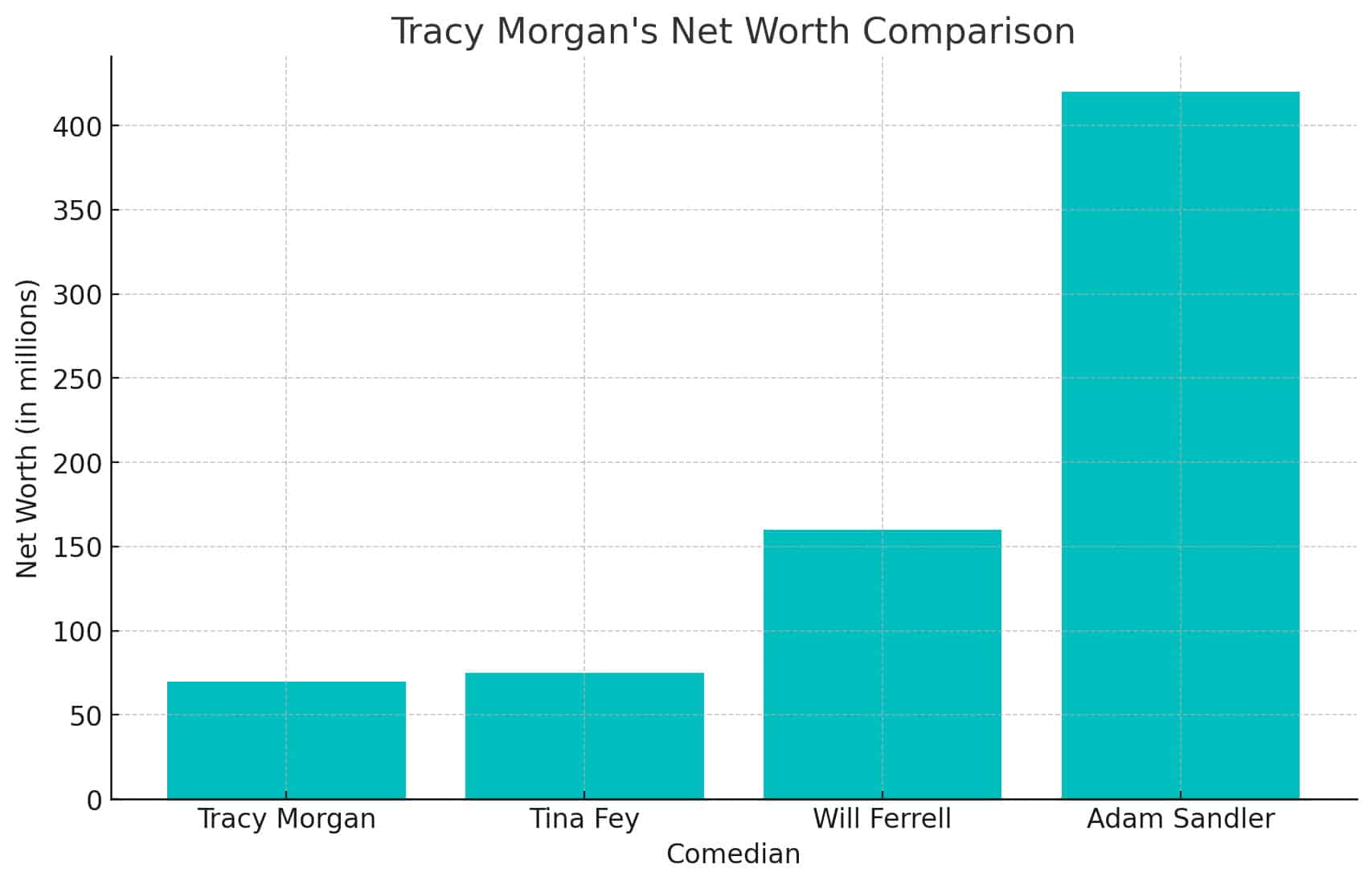
Verifiable balance sheets show that top-tier commercial performers in this category possess a net worth comfortably sitting in the range of $50 million to $150 million in liquid and tangible assets. When catalog rights, future tour guarantees, and brand equity are accounted for, an optimistic appraisal might place the total valuation between $200 million and $300 million.
Crossing from $250 million to a certified $1 billion requires either a massive liquidity event—such as the full sale of masters and publishing—or the successful IPO/acquisition of an affiliated consumer business. Unless one of these formal transactions occurs through regulatory filings, reports of reaching $1 billion in record time should be recognized as speculative projections rather than audited facts.
Key Takeaways for Investors and Industry Observers
The intense fascination with rapid wealth accumulation offers valuable insights into modern commercial power:
- Gross Revenue is Not Net Worth: Generating hundreds of millions across streaming and ticketing does not equal an identical personal balance sheet.
- Valuation Multiples Create Paper Billionaires: Many modern fortunes are based on theoretical enterprise valuations that fluctuate based on interest rates and market sentiment.
- Ownership Dictates Ultimate Scale: The artists and entrepreneurs who actually convert high earnings into ten-figure permanence are those who transition from paid talent to controlling equity holders.
Whether or not the $1 billion milestone has been officially audited today, the commercial machinery behind Morgan demonstrates one undeniable truth: the modern business of cultural intellectual property can generate unprecedented wealth faster than at any other period in history.