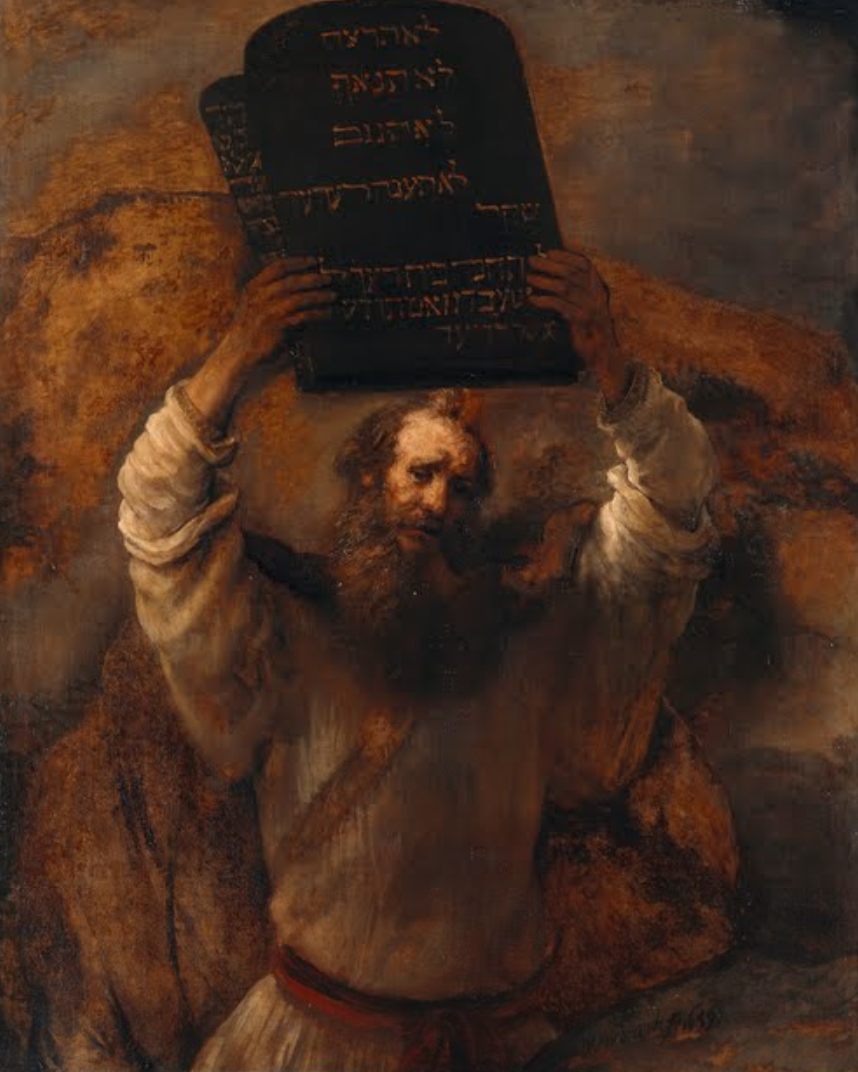
Moses’ Golden Hands: Artistry, Light, and Legend
Introduction to Timeless Craftsmanship

Throughout human history, certain creators transcend the boundaries of ordinary makers, leaving behind works that blur the line between physical metallurgy and divine inspiration. When history and legend intertwine, figures like the biblical Bezaleel—often associated with sacred artistry and guided craftsmanship—and cultural depictions of Moses’ Golden Hands—Crafted More Than Jewels; He Crafted Legends and Light! emerge as powerful symbols of human potential. These narratives do not merely describe the shaping of precious metals; they speak to the human desire to capture the divine in tangible form.
In both theological tradition and historical art history, the creation of sacred objects requires more than technical skill. It demands a deep understanding of symbolism, geometry, and light. This article explores the intersection of ancient craftsmanship, the symbolism of gold in sacred spaces, and the enduring legacy of hands that shaped history.
The Symbolism of Gold in Ancient Art
Gold has fascinated human civilizations for millennia. Its resistance to tarnish, rarity, and brilliant luster made it the ultimate medium for expressing eternity and sacred power. In ancient traditions, working with gold was considered a quasi-sacred act.
Why Gold Represented Divine Light
Unlike silver, which was often associated with the moon and reflective coolness, gold captured the direct warmth and brilliance of the sun. Ancient artisans utilized gold not simply to display wealth, but to manifest light within dark sanctuaries. When candlelight flickered against hammered gold leaf, the metal seemed to glow from within.
- Immortality: Because gold does not rust or corrode, it represented eternal life and unchanging divine truths.
- Purity: Fire-refined gold symbolized the purification of the human soul through trials.
- Authority: Rulers and priests wore gold to signify a direct connection to the heavens.
The Mythos of Moses’ Golden Hands—Crafted More Than Jewels; He Crafted Legends and Light!
While biblical texts attribute the physical crafting of the Tabernacle furnishings to master artisans like Bezalel and Oholiab under divine guidance, cultural and artistic traditions often weave Moses into the broader tapestry of creation and leadership. The concept of Moses’ Golden Hands—Crafted More Than Jewels; He Crafted Legends and Light! serves as a metaphor for monumental achievement—shaping a nomadic nation into a legacy of enduring light.
Legends surrounding ancient leaders often emphasize their ability to manifest order out of chaos. Just as a master goldsmith applies intense heat and precise pressure to raw ore, leadership requires refining people through law, trial, and vision. The artifacts forged during this foundational era—such as the Ark of the Covenant and the Menorah—were physical manifestations of an invisible covenant.
Techniques of the Ancient Masters

The physical reality behind ancient golden artifacts reveals staggering technical proficiency. Without modern machinery, ancient metalsmiths achieved results that still baffle contemporary jewelers.
Repoussé and Chasing
One of the most common techniques was repoussé, where metal is hammered from the reverse side to create a low relief design. Chasing involved refining the details from the front using specialized punches. This required immense patience and anatomical precision.
Gold Leaf and Gilding
Beating gold into microscopic sheets—known as gold leaf—allowed artisans to cover massive wooden structures, like the Ark of the Covenant, making them appear completely solid-gold. This technique maximized precious resources while creating a breathtaking visual impact.
The Legacy of Light in Modern Interpretation
Today, the fascination with ancient sacred art goes beyond religious devotion; it touches on the psychology of aesthetics. Light remains a primary tool in modern architecture and design, much like it was in ancient temples.
When we examine historical masterpieces, we are reminded that true craftsmanship is an act of translation. It translates abstract ideas—faith, law, identity—into concrete realities that outlive the creators. The enduring mythos of master builders and visionary leaders reminds us that what we create with our hands can illuminate generations to come.
Conclusion
The legacy of ancient craftsmanship is written in gold, stone, and enduring myth. Whether exploring historical techniques or the poetic resonance of Moses’ Golden Hands—Crafted More Than Jewels; He Crafted Legends and Light!, we find a universal truth: humanity has always sought to capture the ethereal and make it permanent. Through skill, patience, and vision, ancient makers transformed raw earth into eternal light.