Moses: Not Just a Lawgiver—A Jeweler of Mysteries and Metals!
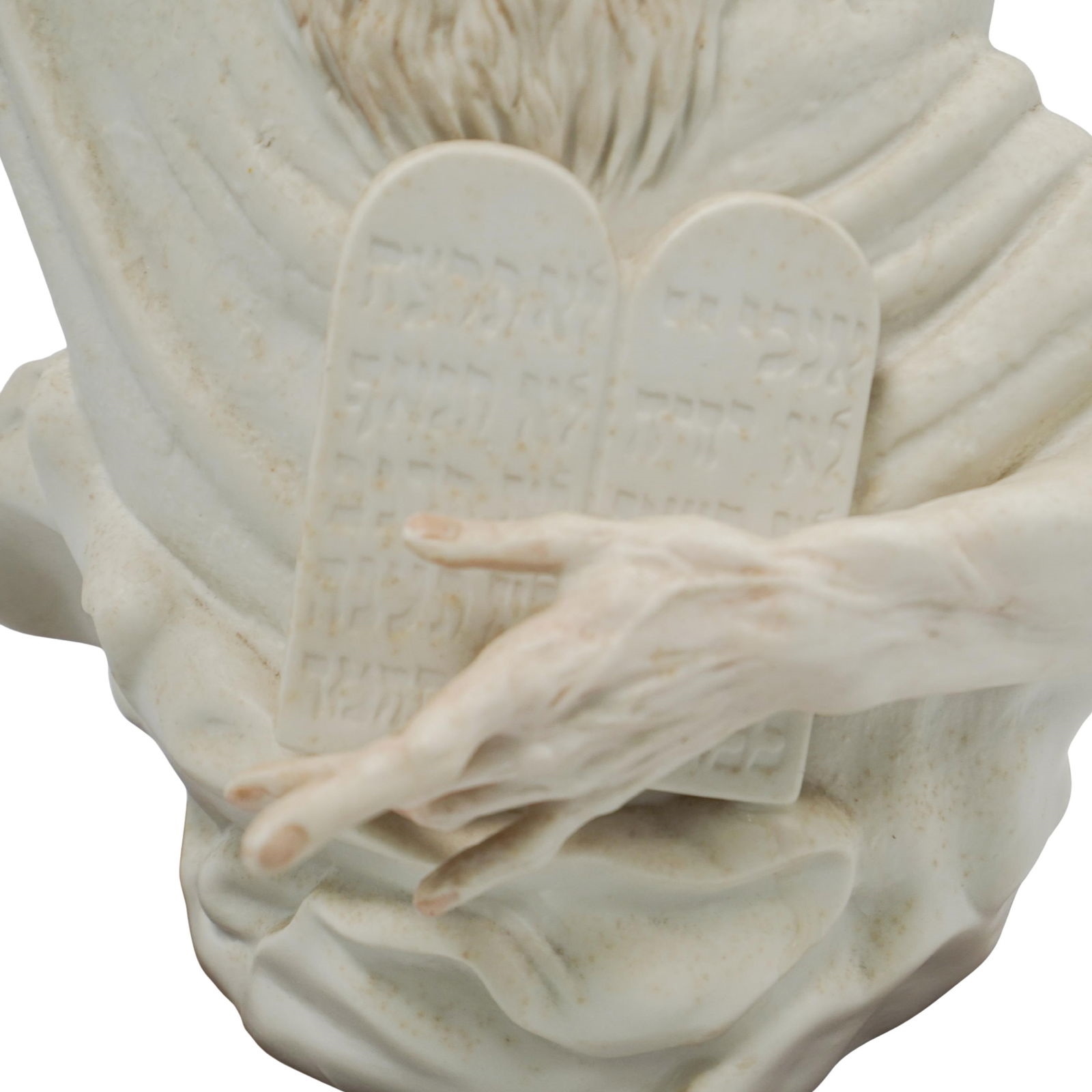
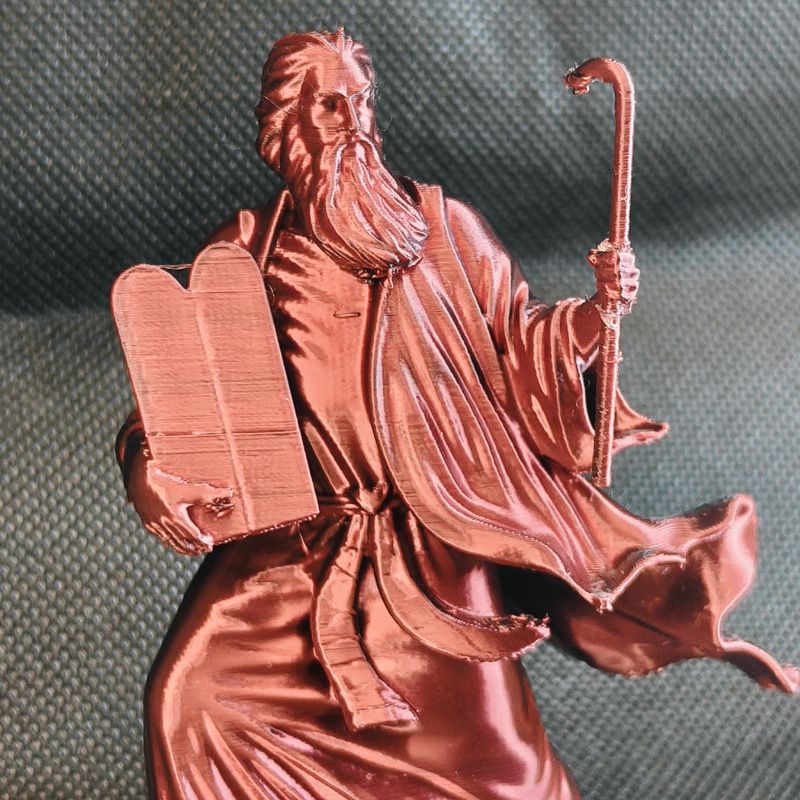
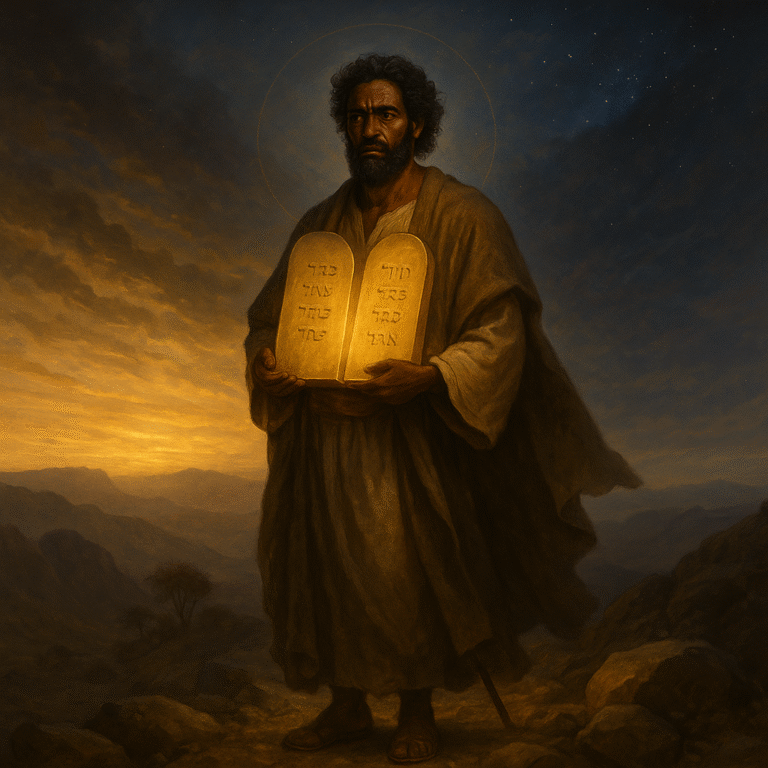
When we think of Moses, the imagery is almost always the same: an aging prophet descending Mount Sinai, tablets of stone in hand, delivering divine laws to the Israelites. Yet, reducing this foundational figure to a mere lawgiver overlooks a fascinating dimension of his legacy. According to biblical accounts, Moses was not only a spiritual leader and statesman but also a visionary overseer of sacred architecture and fine metals. Indeed, Moses: Not Just a Lawgiver—A Jeweler of Mysteries and Metals!

Far from being a wandering shepherd with zero technical background, Moses possessed a sophisticated understanding of material culture, metalworking, and sacred symbolism. This practical mastery was essential for materializing the divine blueprint given to him on the mountain, transforming raw elements into objects of transcendent beauty.
The Metallurgical Training of an Egyptian Prince
To understand Moses's unexpected expertise with precious metals, one must look to his upbringing. Raised in the court of Pharaoh, Moses received the finest education available in the ancient world. Egyptian royal education was comprehensive, encompassing astronomy, architecture, administration, and advanced practical arts.
Ancient Egypt was a superpower of metallurgy. Artisans in the Nile Valley had mastered smelting, casting, alloying, and gilding centuries before the Exodus. Gold, silver, and copper were not merely decorative; they were viewed as divine substances associated with the gods. Growing up in this environment, Moses would have been intimately familiar with:
- The lost-wax casting technique for intricate metal sculptures.
- Alloying copper with tin to create durable bronze.
- The delicate art of beating gold into micro-thin leaf for overlay.
- The extraction and purification of precious ores.
This technical foundation meant that when Moses instructed the Israelites to build the Tabernacle, he spoke not as an amateur, but as someone who understood the precise physical limitations and possibilities of molten metals.
Mastering the Sacred Metals of the Tabernacle
The construction of the desert Tabernacle and its furnishings required an extraordinary level of metallurgical skill. Moses organized a guild of master craftsmen, led by Bezalel of the tribe of Judah and Oholiab of the tribe of Dan, but he served as the ultimate director and quality control supervisor for these sacred artifacts.
The Ark of the Covenant: Wood and Pure Gold
Perhaps the pinnacle of ancient craftsmanship associated with Moses is the Ark of the Covenant. Built from resilient acacia wood, the chest was completely overlaid inside and out with pure gold. Moses had to ensure that the plating was seamless, durable, and aesthetically flawless.
Atop the Ark sat the mercy seat, flanked by two cherubim hammered out of a single, solid block of gold. In metallurgical terms, beating a massive piece of solid gold into complex anatomical shapes without fracturing the metal requires immense skill, precise heating (annealing), and rhythmic hammering. Moses’s oversight of this project demonstrates a deep, hands-on comprehension of how gold behaves under pressure.
The Golden Menorah

Another masterpiece commissioned under Moses's watch was the seven-branched menorah. Unlike the Ark, which was overlaid, the menorah was fashioned entirely from a single talent of pure, hammered gold—complete with intricate botanical motifs, almond-shaped cups, knobs, and flowers. Translating organic plant structures into rigid, gleaming metal requires a master jeweler's eye for proportion, texture, and light reflection.
Decoding the Jewels of the High Priest
Beyond metals, Moses played a direct role in designing the ultimate piece of sacred jewelry in the ancient world: the Hoshen, or the Breastplate of Judgment worn by Aaron, the High Priest. This garment was a masterclass in lapidary art and gem-setting.
The breastplate featured twelve precious and semi-precious stones, arranged in four rows of three. Each stone represented one of the twelve tribes of Israel and was engraved with their respective name using a technique akin to a royal signet ring. The stones included:
- Sardius, topaz, and carbuncle (Row 1)
- Emerald, sapphire, and diamond (Row 2)
- Ligure, agate, and amethyst (Row 3)
- Beryl, onyx, and jasper (Row 4)
Engraving hard gems like diamond, sapphire, and onyx in the second millennium BCE was an arduous feat. It required specialized diamond-tipped drills, abrasive quartz sand, and extreme patience. As the leader guiding this project, Moses understood the symbolic and material value of these gems, treating them not merely as decoration, but as spiritual conduits connecting humanity to the divine.
The Golden Calf: A Clash of Metallurgical Egos
Moses’s metallurgical expertise is also highlighted in reverse during the famous incident of the Golden Calf. While Moses was delayed on the mountain, the restless Israelites pressured Aaron to fashion an idol. Aaron collected their golden earrings and cast them into a calf.
When Moses returned and witnessed the idolatry, his reaction was swift and technically precise. According to Exodus 32:20, Moses took the calf they had made, burned it in the fire, ground it to powder, scattered it on the water, and made the Israelites drink it.
Chemically speaking, pure gold is inert and difficult to destroy simply by fire or standard grinding into an easily ingestible powder. However, experienced metallurgists of the ancient world knew that gold could be chemically altered or made brittle by creating specific alloys or treating it with certain compounds. Whether through advanced smelting knowledge or sheer physical determination, Moses dismantled the unauthorized idol completely, demonstrating his absolute authority over sacred metals.
Conclusion: The Enduring Legacy of a Master Builder
Moses was undeniably a lawgiver who fundamentally shaped Western ethics, jurisprudence, and theology. Yet, limiting his narrative to laws and tablets misses the vibrant, tactile world he navigated. From the molten glow of the desert foundry to the brilliant flash of twelve gemstones on the High Priest’s breastplate, Moses was deeply engaged in the physical mysteries of metallurgy and sacred art. By recognizing this lesser-known side of his story, we uncover a richer, more multidimensional leader—one who could command both the spirits of men and the malleable power of fire and stone.