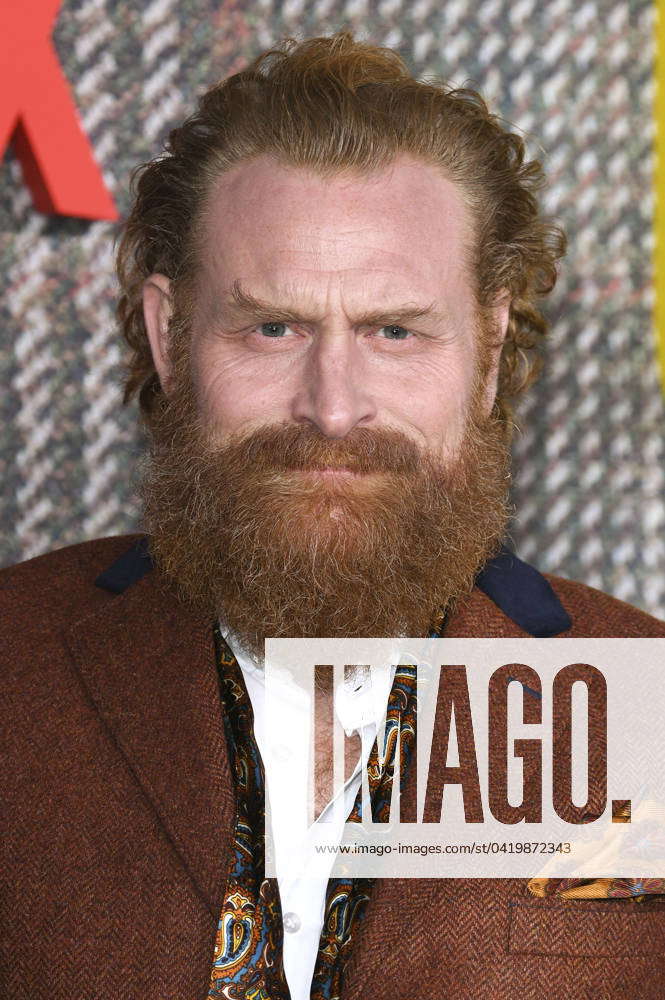
Movies That Spark Real Change: Kristofer Hivju
When international audiences think of Kristofer Hivju, their minds often leap immediately to the fierce grin, thunderous roar, and fiery beard of Tormund Giantsbane in HBO’s Game of Thrones. Yet reducing Hivju to a charismatic fantasy warrior overlooks the profound depth of his career. Beyond blockbuster franchises, his body of work reflects a deliberate pursuit of complex, uncomfortable human truths. In discussing Movies That Spark Real Change: The Legacy of Kristofer Hivju’s Fearless Artistry!, we examine an actor who consistently leverages his striking physical presence to dismantle stereotypes, interrogate fragile masculinity, and elevate socially conscious storytelling.

Deconstructing Masculinity: The Groundbreaking Impact of Force Majeure
Long before he became an international household name, Hivju delivered a defining performance in Ruben Östlund’s 2014 psychological drama Force Majeure (Turist). The film follows a wealthy Swedish family at a French ski resort who face an apparent avalanche. When the father panics and flees, abandoning his wife and children, the marriage unravels in the wake of his exposed cowardice.
Hivju plays Mats, a pragmatic, bearded friend who arrives at the resort with his younger girlfriend. Rather than acting as mere comic relief, Mats serves as the emotional mirror for modern male insecurity. In one of cinema’s most incisive examinations of gender expectations, Mats spends an entire night tossing and turning, defending his friend’s instinctual flight while wrestling with his own terror that he, too, might fail the test of chivalric heroism.
Hivju’s performance won him the Guldbagge Award (Sweden’s equivalent of the Academy Award) for Best Supporting Actor. More importantly, it helped transform Force Majeure into a global talking point about the unrealistic burdens and performative nature of traditional masculinity. By subverting his own hyper-masculine physical exterior with trembling emotional vulnerability, Hivju demonstrated that true bravery in acting lies in exposing human weakness.
Subverting the Monster: Empathy and Accountability in Modern Fantasy
Hivju’s fearless approach to character work is not confined to arthouse cinema. In the season two premiere of Netflix’s The Witcher, he portrayed Nivellen, an aristocratic man cursed into the form of a beast as retribution for a heinous crime. While prosthetic heavy, the role required an actor capable of communicating profound remorse, self-loathing, and desperate charisma through layers of digital and practical makeup.
Rather than portraying Nivellen as a misunderstood, tragic victim, Hivju leaned into the character’s unforgivable complicity. The performance resisted easy redemption, compelling viewers to confront difficult conversations regarding consent, moral culpability, and whether genuine remorse can ever undo violent trauma. Through nuanced physical theater—a skill honed during his education at the Russian Academy of Theatre Arts (GITIS)—Hivju turned a fantasy archetype into a painful interrogation of accountability.
Movies That Spark Real Change: The Legacy of Kristofer Hivju’s Fearless Artistry

What sets Hivju apart from many contemporaries in modern character acting is his steadfast refusal to lean on vanity. Trained in rigorous European theatrical traditions, he approaches each project with a commitment to ensemble harmony and psychological reality. His legacy is defined by three primary artistic pillars:
- The Dismantling of Archetypes: Whether playing an outlaw, an everyday father, or a supernatural creature, Hivju regularly undercuts his imposing silhouette with unexpected warmth, neurosis, or moral conflict.
- Championing Regional Storytelling: Despite global Hollywood offers, Hivju remains committed to Scandinavian productions that confront local socioeconomic and environmental themes, notably in the NRK drama series Twin.
- Physical Honesty: He uses expressive, unglamorous physical movement to convey psychological distress, rejecting the sanitized presentation common in contemporary commercial cinema.
Redefining Identity in Twin
In the acclaimed Norwegian series Twin, Hivju undertook the dual roles of Adam and Erik, estranged identical twin brothers living drastically different lives in the harsh, breathtaking landscape of Norway’s Lofoten Islands. When an argument leads to Adam’s accidental death, Erik—a broke, irresponsible surfer—is forced to assume his responsible brother’s identity to protect the family from ruin.
The series is far more than a conventional identity-theft thriller. Through Hivju’s dual performances, the show explores how socioeconomic pressure, rural isolation, and repressed grief warp family dynamics. By highlighting the daily realities of coastal Norwegian communities, Hivju used his creative stature as co-creator and star to draw global attention to regional Nordic realities often ignored by mainstream media.
Artistry Beyond the Camera: Conservation and Cultural Stewardship
Hivju’s fearless ethos extends beyond scripted narratives. In documentary work and public advocacy, he frequently focuses on environmental stewardship and cultural heritage. Hailing from a country whose identity is deeply tied to wild landscapes, Hivju has repeatedly highlighted the delicate balance between industrial tourism and environmental preservation in the Arctic.
By lending his voice to projects that examine historic preservation—such as his involvement in historical epics like The Last King (Birkebeinerne)—he connects modern audiences with the collective struggles that forged contemporary democratic values in Scandinavia. His work continually reminds viewers that history is not abstract; it is forged by the physical resilience of ordinary people under extraordinary pressure.
The Enduring Value of Courageous Acting
In an era dominated by algorithmic franchises and safe, formulaic characters, Kristofer Hivju represents a vital counterweight. His career proves that an actor does not need to abandon genre entertainment to provoke genuine cultural conversation. Whether sparking debates on toxic masculinity in an alpine hotel room or exploring redemption in a fantasy forest, Hivju reminds us of an essential truth: storytelling creates lasting change only when artists are unafraid to look directly into human imperfection.