Movoto Land for Sale: How to Find & Buy Acreage
Finding the right parcel of raw land requires a different approach than shopping for a traditional single-family home. While residential buyers prioritize bedroom counts, square footage, and updated kitchens, land buyers must investigate zoning codes, access rights, and utility availability. If you are searching for movoto land for sale, leveraging the platform’s MLS-backed database provides a reliable way to uncover residential building lots, rural acreage, and commercial development parcels.
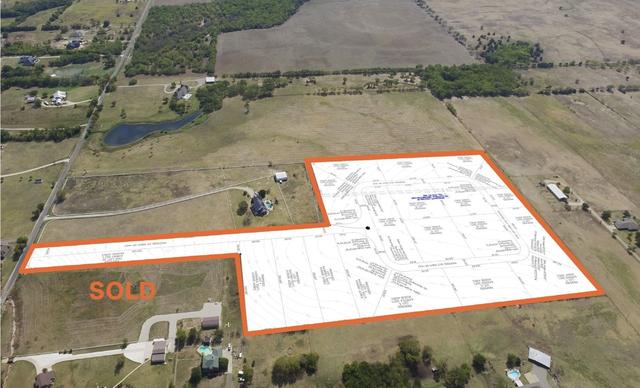
Movoto, operated by OJO Labs, is one of the largest real estate listing aggregators in the United States. While widely known for residential homes, its extensive lot and acreage database makes it an effective search engine for prospective land buyers. Here is how to use the platform efficiently and conduct proper due diligence before writing an offer.
How to Search Movoto Land for Sale Efficiently
Browsing through general property feeds can be overwhelming. Movoto’s interface includes several search tools that streamline your search for vacant lots:
- Filter by Property Type: On the search results page, navigate to the "Property Type" dropdown and deselect all options except "Lots/Land." This immediately removes single-family homes, townhouses, and condos.
- Set Acreage Parameters: Use the lot size filter to set minimum and maximum acreage thresholds. Searching without acreage boundaries often surfaces unbuildable micro-lots or slivers of residual property.
- Switch to Map View: Raw land is location-dependent. Switching from the grid view to the interactive map allows you to visualize terrain proximity, highway access, nearby development patterns, and bodies of water.
- Save Searches and Set Alerts: Desirable land parcels—especially those priced below market value with road frontage—move quickly. Creating an account lets you set instant email notifications for new MLS listings matching your criteria.
Key Advantages of Using Movoto for Land Searches
Specialized land portals exist, but using Movoto provides distinct advantages, particularly for buyers seeking residential infill parcels or suburban development sites.
1. Direct MLS Data Feeds
Unlike off-market land marketplaces that allow unverified crowd-sourced listings, Movoto pulls directly from local Multiple Listing Services (MLS). This ensures that listing statuses (Active, Pending, Contingent, Sold) update frequently, reducing the frustration of calling on parcels that entered escrow weeks prior.
2. Local Market Trends and Tax History
Every listing on Movoto generally includes historical property tax assessments and local median pricing trends. This data provides immediate insight into carrying costs and historical appreciation in the target county or zip code.
3. Satellite and Street Mapping
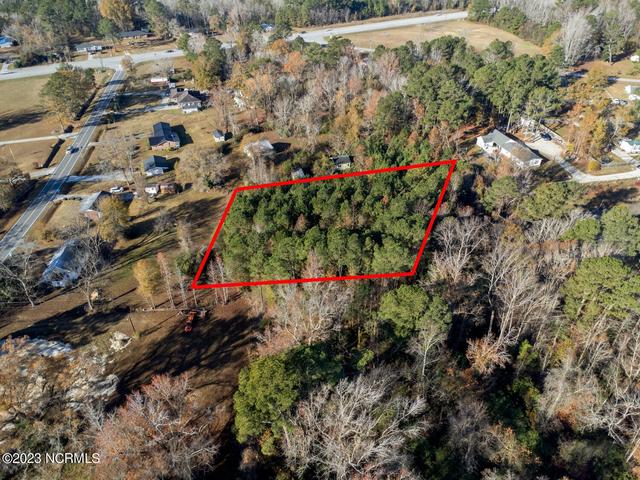
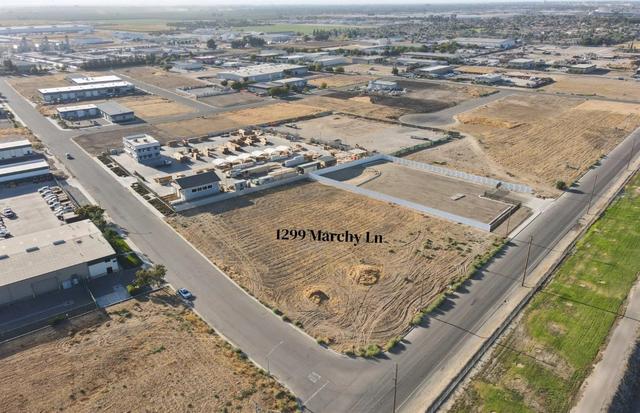
Movoto embeds high-resolution mapping tools that allow you to quickly cross-reference boundaries, tree canopy density, and neighboring structures. While satellite imagery is never a substitute for an on-site survey, it helps weed out parcels impacted by steep grades or heavy industrial neighbors.
Movoto vs. Dedicated Land Portals: Understanding the Difference
When searching for vacant land, understanding how Movoto compares to dedicated portals like LandWatch or Land and Farm helps set realistic expectations.
Video: The Movoto Advantage
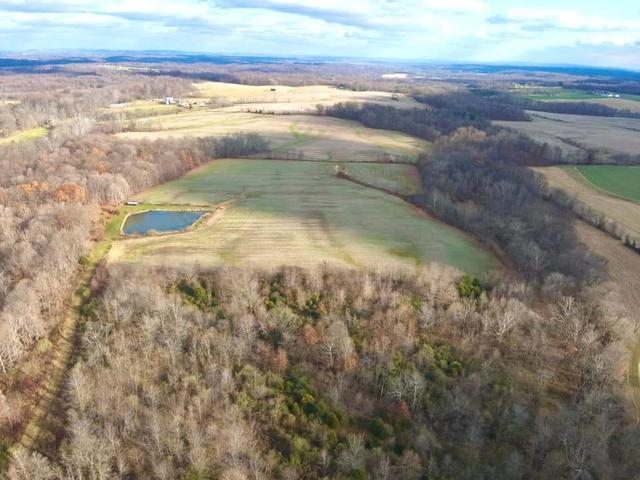
Movoto excels at finding residential building lots, suburban subdivisions, and small hobby acreage. Because it draws from local Realtor-managed MLS feeds, it is ideal for buyers looking to build a custom primary residence near established communities.

In contrast, niche land platforms tend to feature large-scale timber tracts, off-grid parcels, agricultural holdings, and recreational hunting land. Often, these rural sellers work with boutique land brokers who may not place their properties on urban residential MLS feeds. For comprehensive market coverage, combining Movoto with dedicated land boards gives you the complete picture.
Critical Due Diligence Before Purchasing Vacant Land
Finding a promising listing on Movoto is only the first step. Vacant land transactions carry unique risks that require thorough verification during the inspection contingency period.
Verify Zoning and Permitted Uses
Never rely solely on a listing description stating a property is "ready to build." Contact the local county or municipal planning department. Check the specific zoning classification (e.g., R-1, Agricultural, Commercial) and confirm setbacks, minimum square footage requirements, and whether accessory dwelling units (ADUs), mobile homes, or livestock are permitted.
Confirm Legal and Physical Access
Landlocked parcels are surprisingly common in rural real estate. Verify that the property has direct frontage on a publicly maintained road, or an officially recorded, insurable ingress/egress easement across adjacent private property. Without legal access, obtaining title insurance and construction financing is virtually impossible.
Evaluate Utility Availability
Bringing utilities to an undeveloped lot can quickly exceed the purchase price of the land itself. Investigate the following infrastructure essentials:
- Electricity: Are power lines present at the road, or will the utility company require costly pole extensions?
- Water: Is there municipal water access, or will you need to drill a private well? Check average well depths and flow rates in the immediate area.
- Sewer vs. Septic: If public sewer is unavailable, the purchase must be contingent upon a successful soil percolation ("perc") test to verify the ground can absorb wastewater from a private septic system.
- Broadband/Internet: For remote work, check whether fiber, cable, or reliable satellite internet (like Starlink) covers the location.
Review Environmental Restrictions
Consult FEMA flood maps and local conservation commission maps. Wetlands, floodplains, steep slopes, and protected habitats can drastically reduce the buildable footprint of an otherwise sizable acreage tract.
How to Move Forward on a Listing
Once you identify a promising parcel on Movoto, resist the urge to immediately hit the "Schedule a Tour" or "Contact Agent" button without preparation. That button often connects you with a general real estate agent who may lack experience in raw land transactions.
Instead, look for a real estate professional who specializes in land acquisition, rural property, or site development in that specific county. An experienced land agent knows how to structure land-specific purchase agreements—complete with contingencies for perc tests, boundary surveys, feasibility studies, and environmental assessments—protecting your earnest money while you evaluate the ground beneath your feet.