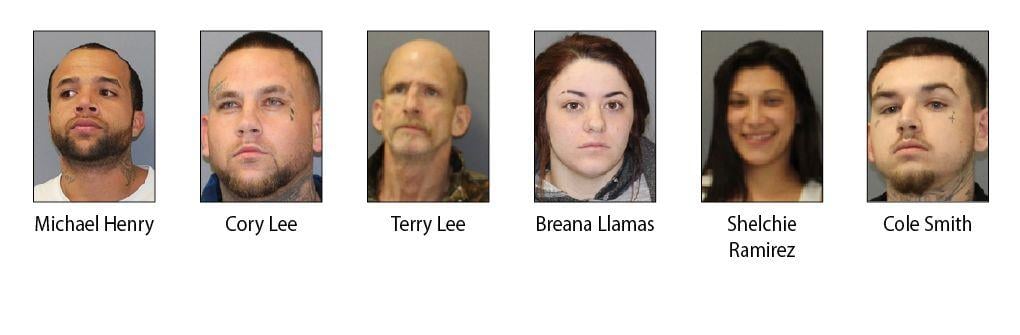
Mugshots of Gainesville: Access Records & Laws
Understanding Mugshots of Gainesville, Florida

When someone is arrested in Alachua County, Florida, local law enforcement agencies routinely capture a booking photograph, commonly known as a mugshot. For decades, these images were largely confined to local newspapers or physical police blotters. Today, however, the digital landscape has transformed public records, making mugshots of Gainesville instantly accessible to anyone with an internet connection.
Whether you are conducting a background check, researching local crime news, or looking up the status of an acquaintance, understanding how the public record system works in Gainesville is essential. This guide covers where these records come from, how to access them legitimately, and what your rights are if your image appears online.
Where to Find Gainesville Arrest Records
Accessing official arrest information in Gainesville requires knowing which local agencies hold the jurisdiction. Because Gainesville is the county seat of Alachua County, most major arrests and jail bookings are processed through the county's primary correctional facility.
Alachua County Jail Inmate Lookup
The most direct and accurate source for recent booking photos and charges is the Alachua County Sheriff's Office (ACSO). The ACSO maintains an online inmate population search tool. To find a specific individual, you typically need:
- The person's legal first and last name
- Their date of birth (helpful for common names)
- The booking number, if known
Keep in mind that online jail rosters are dynamic. When an inmate is released, posts bail, or is transferred to a state prison, their profile may be archived or removed from the active public roster.
Gainesville Police Department Logs
While the Sheriff's Office handles the jail, the Gainesville Police Department (GPD) handles city-level law enforcement. GPD issues press releases, media updates, and daily incident logs. However, for complete booking photographs, the jail database remains the primary repository.
Florida Public Records Law and Mugshots
Florida has some of the most transparent public record laws in the United States, commonly referred to as the Sunshine Law (Chapter 119, Florida Statutes). This legislation guarantees public access to government-held documents, including police reports, arrest affidavits, and booking photographs.
Because these images are classified as public records, third-party publishers and commercial websites are legally permitted to scrape, copy, and republish mugshots of Gainesville residents. This has led to the rise of independent mugshot aggregation websites that profit by charging subjects fees to remove their photos.
Video: Gainesville Mugshots
The Impact and Controversy of Online Mugshot Sites

The widespread availability of booking photos on commercial websites has sparked significant debate across Florida and the rest of the nation. A mugshot is taken upon arrest, long before a trial occurs or any legal guilt is established. Consequently, publishing these images can cause severe collateral damage.
Presumption of Innocence vs. Public Record
Under the American legal system, a person is considered innocent until proven guilty in a court of law. However, third-party mugshot sites often ignore subsequent case outcomes. Even if charges are completely dropped, the state attorney declines to prosecute, or a jury finds the defendant not guilty, the digital mugshot may remain online indefinitely.
Reputation and Employment Consequences
Search engines frequently index mugshot websites high in search results when a person's name is queried. This can severely impact:
- Employment opportunities and job interviews
- Housing applications and apartment rentals
- Professional licensing and career advancement
- Personal relationships and mental health
How to Remove Your Mugshot From the Internet
If you or someone you know has an arrest photo published online that is causing reputational harm, there are specific legal and practical steps you can take to address the issue.
Florida's Mugshot Removal Statute
To combat predatory online publishers, the State of Florida passed a specific law protecting individuals from exploitation. Under Florida Statute § 901.43, commercial mugshot websites are legally required to remove an arrest photograph within 10 days of receiving a written request—provided that the charges were dropped, dismissed, or resulted in an acquittal.
If the subject was convicted, or if the case is still pending, the website is not legally mandated to take down the photo under this specific statute. However, many sites have their own compliance procedures.
Steps to Request Removal
- Obtain Official Court Documents: Contact the Alachua County Clerk of Court to secure certified documentation proving that your charges were dismissed, dropped, or that you were acquitted.
- Draft a Formal Removal Request: Send a written notice via certified mail to the website operator, including your contact information, the URL of the offending page, and proof of the favorable case disposition.
- Avoid Paying Extortion Fees: Many consumer protection advocates advise against paying commercial mugshot sites to remove images, as payment often validates their business model and offers no guarantee that the photo won't reappear on a sister site.
- Consult a Legal Professional: If a website refuses to comply with Florida law, an attorney specializing in internet defamation or reputation management can issue a formal legal demand letter.
Conclusion
While government transparency ensures that the public can review arrest records and mugshots of Gainesville through official channels like the Alachua County Sheriff's Office, the rise of commercial aggregation sites has complicated personal privacy. Knowing your rights under Florida's public records and mugshot removal laws is the best defense against digital exploitation and unwarranted reputation damage.