Mutualism in the Tundra: Survival in the Cold
The Arctic and alpine tundras are among the most unforgiving biomes on Earth. Defined by sub-zero temperatures, howling winds, continuous permafrost, and brief growing seasons lasting barely six to ten weeks, these landscapes push life to its physiological limits. Because resources like bioavailable nitrogen, phosphorus, and liquid water are perpetually scarce, solitary survival is exceptionally difficult. Under such intense selective pressures, mutualism in the tundra is not merely an interesting ecological dynamic; it is an indispensable strategy that underpins the entire ecosystem.

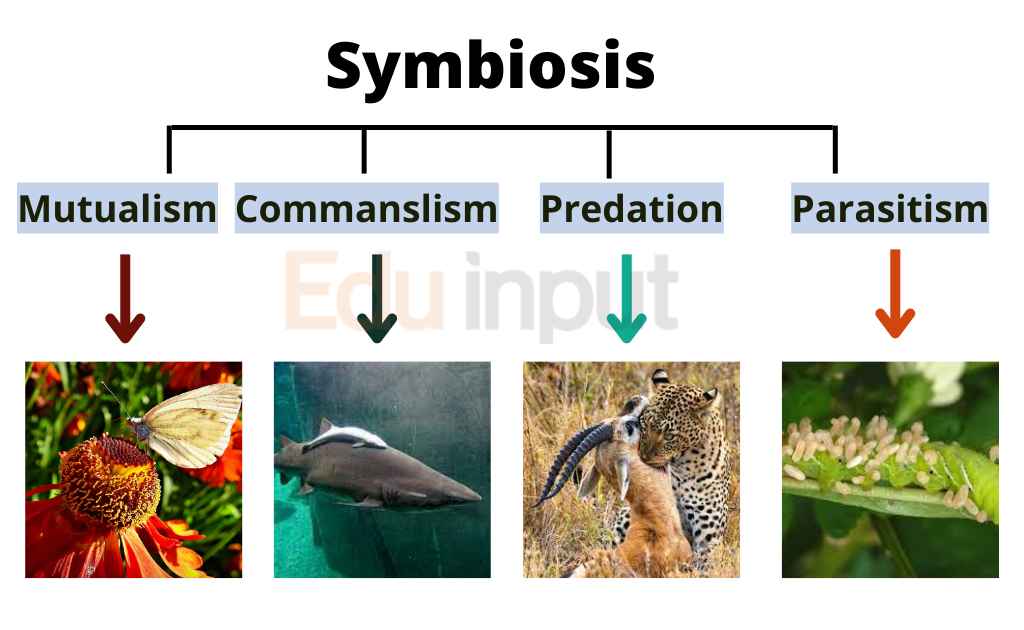
Mutualism is a form of symbiosis in which two or more distinct species interact to their mutual benefit. In temperate or tropical ecosystems, mutualistic interactions often drive explosive diversification and competition. In the tundra, however, mutualism functions primarily as a buffer against environmental stress. From the bedrock to the bellies of massive herbivores, cooperative relationships allow life to persist where it otherwise could not.
Why Mutualism in the Tundra Is Vital for Ecosystem Health
The Arctic operates on a razor-thin energy margin. Nutrients in tundra soils are largely locked away in undecayed organic matter, trapped by cold temperatures that dramatically slow down bacterial decomposition. Plants struggle to develop deep root systems because the impenetrable permafrost sits just inches below the surface.
In this low-energy regime, species cannot afford biological waste. Mutualistic partnerships solve this problem by pairing organisms with complementary metabolic skills. For example, an autotroph capable of producing energy via photosynthesis might partner with a heterotroph capable of mining rock or dead soil for inorganic minerals. By directly sharing resources, both partners minimize energy loss to the surrounding environment.
Lichens: The Archetype of Tundra Symbiosis
Perhaps no organism symbolizes the tundra more clearly than the lichen. While traditionally treated as single organisms, lichens are composite structures made possible by obligate mutualisms between a fungus (the mycobiont) and one or more photosynthetic partners (the photobiont), which can be green algae, cyanobacteria, or both.
- The Fungal Contribution: The fungus forms the complex physical body (thallus) of the lichen. Its dense filaments shelter the microscopic algal cells from harsh ultraviolet radiation, prevent desiccation during dry spells, and produce specialized acids that dissolve mineral substrates to extract nutrients.
- The Photobiont Contribution: The green algae synthesize carbohydrates through photosynthesis and share these sugars with the fungus. When cyanobacteria are present, they provide an additional, vital service: fixing atmospheric nitrogen into ammonium, an essential fertilizer in barren soils.
Because lichens lack true roots, they absorb water and nutrients directly from the air and precipitation. Species like reindeer lichen (Cladonia rangiferina) form vast carpets across the landscape, creating an insulating layer over the permafrost and serving as the primary winter fuel source for northern herbivores.
Mycorrhizal Networks: Underground Resource Exchanges
Tundra soils are notorious for their lack of accessible nitrogen and phosphorus. Most vascular plants in this biome—such as dwarf willows (Salix arctica), dwarf birches (Betula nana), and various members of the heather family (Ericaceae)—would starve without their belowground fungal partners, known as mycorrhizae.
Two primary types of mycorrhizal mutualisms dominate the tundra:
1. Ericoid Mycorrhizae
Plants belonging to the Ericaceae family, such as cranberries, lingonberries, and Arctic bell-heather, host specialized ericoid mycorrhizal fungi within their hair-like rootlets. These fungi possess distinct enzymatic abilities: they can directly break down complex organic nitrogen compounds (such as proteins and chitin) that the plant roots cannot digest alone. In exchange for delivering this nitrogen to the plant, the fungus receives carbon compounds produced through photosynthesis.

2. Ectomycorrhizae
Prostrate shrubs like the Arctic willow partner with ectomycorrhizal fungi. The fungal hyphae form a dense mantle around the exterior of the root tips and weave between root cells in a structure called a Hartig net. This fungal network effectively extends the plant's root surface area by hundreds of times, scouring the freezing soil for scarce water and dissolved phosphorus, while protecting the vulnerable roots against cold-tolerant soil pathogens.
Pollination Partnerships Under the Midnight Sun
With a summer window that often lasts under two months, flowering plants in the tundra must produce seeds rapidly. Wind pollination is unreliable and energetically costly due to the density of pollen required. Consequently, many Arctic wildflowers rely on mutualistic animal pollinators, predominantly Arctic bumblebees (such as Bombus polaris) and specialized flies (muscids and syrphids).
This animal-plant relationship involves several unique high-latitude adaptations:
- Heliotropism and Thermal Rewards: Flowers like the Arctic poppy (Papaver radicatum) act as natural solar dishes. Their cup-shaped petals track the sun across the Arctic sky, concentrating solar heat into the center of the blossom. Pollinating insects visiting the flower receive not only nectar and pollen for nourishment, but also a microclimate up to 5°C to 10°C warmer than the ambient air, allowing them to warm their flight muscles.
- Cold-Tolerant Pollinators: Bombus polaris is equipped with thick, insulating pile (hair) and the ability to generate internal heat through shivering thermogenesis. By transporting pollen between widely scattered tundra blossoms, these bumblebees ensure genetic diversity for the plants while securing the energy-dense sugars required to raise their colonies before winter returns.
Endosymbiosis: Herbivores and Gut Microbiomes
Mutualism in the tundra extends all the way into the digestive tracts of its primary consumers. Tundra plants and lichens are loaded with tough, indigestible compounds, including cellulose, hemicellulose, and lichenin. Large herbivores like caribou (Rangifer tarandus) and muskoxen (Ovibos moschatus) lack the innate enzymes necessary to break these chemical bonds.
To extract energy from this fibrous forage, these ruminants rely on an intricate endosymbiotic community of specialized bacteria, protozoa, and anaerobic fungi inhabiting their multi-chambered stomachs. The host animal provides a stable, thermally regulated, nutrient-rich environment; in return, the microbes ferment the fibrous plant matter into volatile fatty acids, which provide up to 80% of the animal's daily metabolic energy.
Without these microscopic mutualists, caribou could not digest the vast quantities of reindeer lichen they consume throughout the winter, and the food web supporting apex predators like Arctic wolves would collapse.
Climate Change and Vulnerable Symbioses
The Arctic is warming at nearly four times the global average rate, disrupting ancient mutualisms in several measurable ways:
- Phenological Mismatch: Rising spring temperatures can cause insect pollinators to emerge before their host plants begin to flower, leaving insects without food and plants unpollinated.
- Shrubification: Taller, aggressive southern shrub species are encroaching on the open tundra, supported by distinct mycorrhizal partners that outcompete the slow-growing native lichens and dwarf heathers.
- Altered Belowground Respiration: Warming soils stimulate rapid bacterial decomposition, altering nitrogen availability and potentially decoupling the precise economic balance between mycorrhizal fungi and their host plants.
Mutualism in the tundra shows that evolution does not rely solely on fierce competition. In Earth's coldest landscapes, survival is ultimately a joint endeavor—an interwoven web of reciprocal bargains that allows life to flourish against the odds.