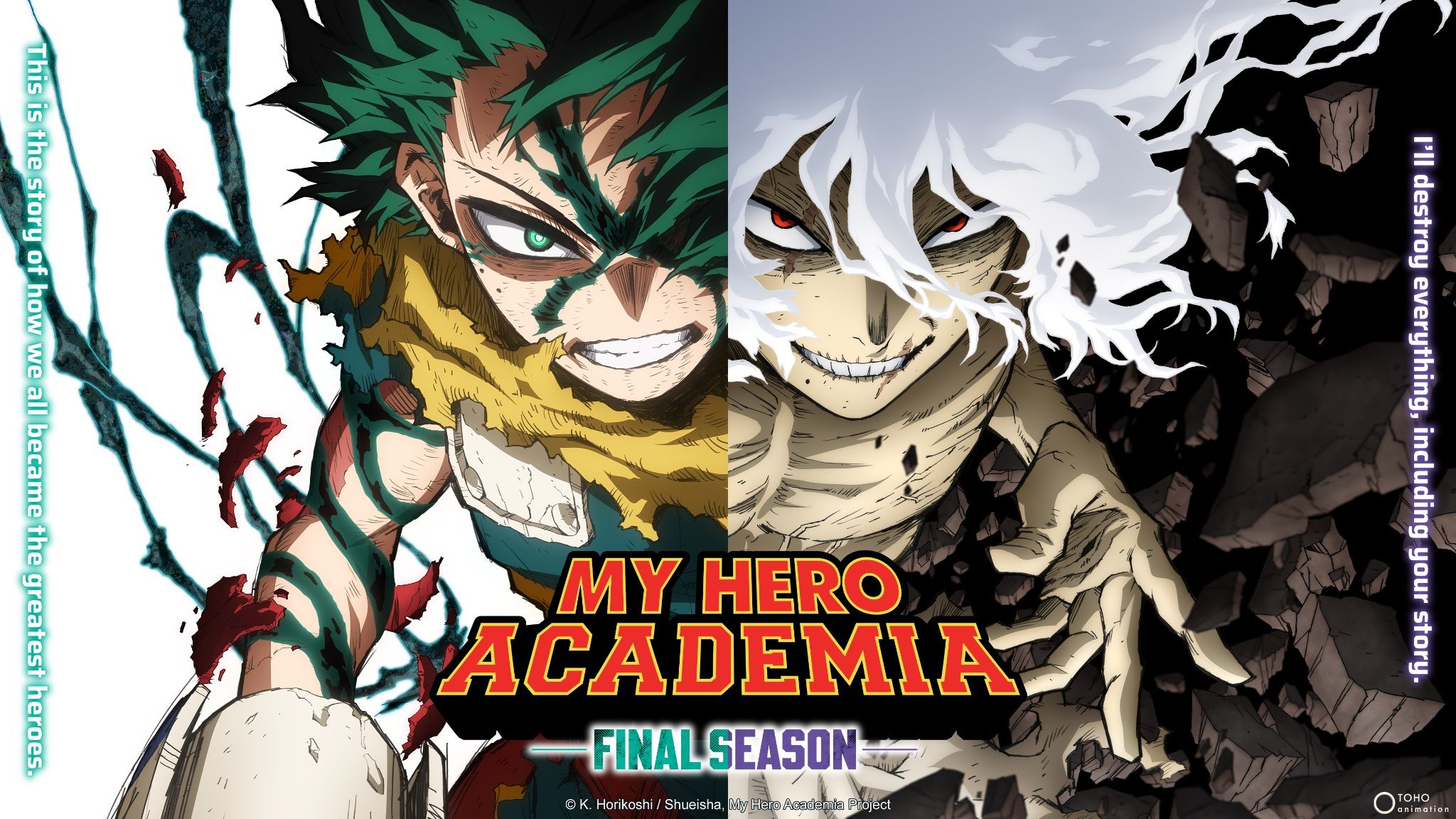
My Hero Academia Season 6 Finale Explained
The conclusion of Season 6 of Kohei Horikoshi's superhero epic reshaped the entire landscape of the series. For fans following the emotional rollercoaster of the Paranormal Liberation War arc, the last episode of season 6 My Hero Academia delivered a sobering reality check rather than a celebratory victory. Instead of tying up loose ends with a neat bow, the finale served as a bridge into the darkest and most desperate era of the story.
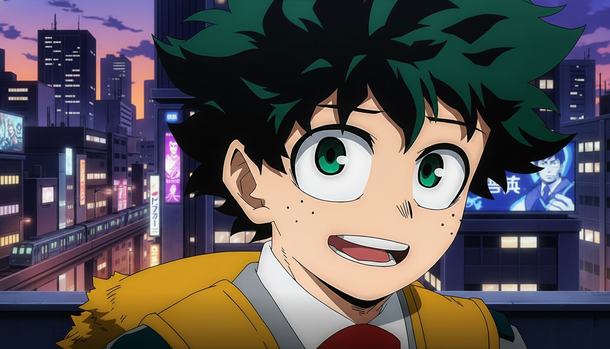
The Aftermath of the Paranormal Liberation War
When the dust settled on the massive conflict between heroes and villains, Japanese society was left in absolute ruins. The finale doesn't shy away from the staggering cost of the war. Hospitals are overflowing, civilian trust in the Pro Heroes has completely evaporated, and public infrastructure has collapsed.
Citizens who once cheered for Endeavor and other top-tier heroes now view them with skepticism and outright anger. The illusion of absolute safety provided by All Might's legacy has shattered permanently. This societal breakdown forces every character to reevaluate their place in a world where the line between hero and villain has blurred beyond recognition.
Key Events in the Last Episode of Season 6 My Hero Academia
The finale packs an enormous amount of narrative setup into its runtime, setting up the endgame for Class 1-A. Several crucial developments define the episode:
- The Rise of Dark Deku: Izuku Midoriya realizes that his presence at U.A. High School puts all of his friends and classmates in immediate danger from All For One and Tomura Shigaraki. He makes the painful decision to leave the safety of the academy.
- Hero Society's Resignation: Ordinary citizens refuse to let heroes enter evacuation shelters, believing that the heroes themselves attract villains. This forces heroes like Endeavor, Hawks, and Best Jeanist to operate under intense public scrutiny.
- The Escaped Convicts: Tartarus and other maximum-security prisons have been breached. Dangerous criminals are now roaming the streets of Japan, plunging the country into lawlessness.
Deku's Departure from U.A. High
Perhaps the most emotionally resonant part of the finale is Deku's solitary path forward. Recognizing that All For One is tracking One For All, Deku departs from U.A. High in the middle of the night, leaving behind heartfelt goodbye letters for each of his classmates. He chooses to bear the burden of defeating Shigaraki and All For One entirely on his own.

This sequence highlights Deku's maturation, but it also underscores his dangerous tendency toward self-sacrifice. He wears Gran Torino’s cape and All Might’s old aesthetic touches, looking less like a bright-eyed UA student and more like a weary, hunted vigilante.
Class 1-A's Resolve
Naturally, Deku's friends refuse to let him face the ultimate evil alone. The finale establishes that Class 1-A will not abandon their classmate. Bound by the shared trauma of the war and the deep bonds forged over six seasons, the students of U.A. prepare to track Deku down.
Their mission is not just to bring him back to school, but to share the burden of protecting society. This sets up a powerful thematic contrast: while Deku tries to carry the world's weight on his shoulders, his friends prove that true heroism is a collective effort.
Setting Up the Final Act
By shifting the tone from high-school shonen adventure to a gritty, post-apocalyptic struggle, the season 6 finale successfully transitions the narrative into its final saga. All For One has mobilized his forces, Shigaraki is regenerating his body to completion, and society is scrambling to survive.
The episode leaves viewers with a striking visual of Deku standing alone in the rain, battered and resolute. It is a masterclass in pacing that rewards long-time followers of the series with high emotional stakes and a compelling hook for what comes next in the battle for peace.