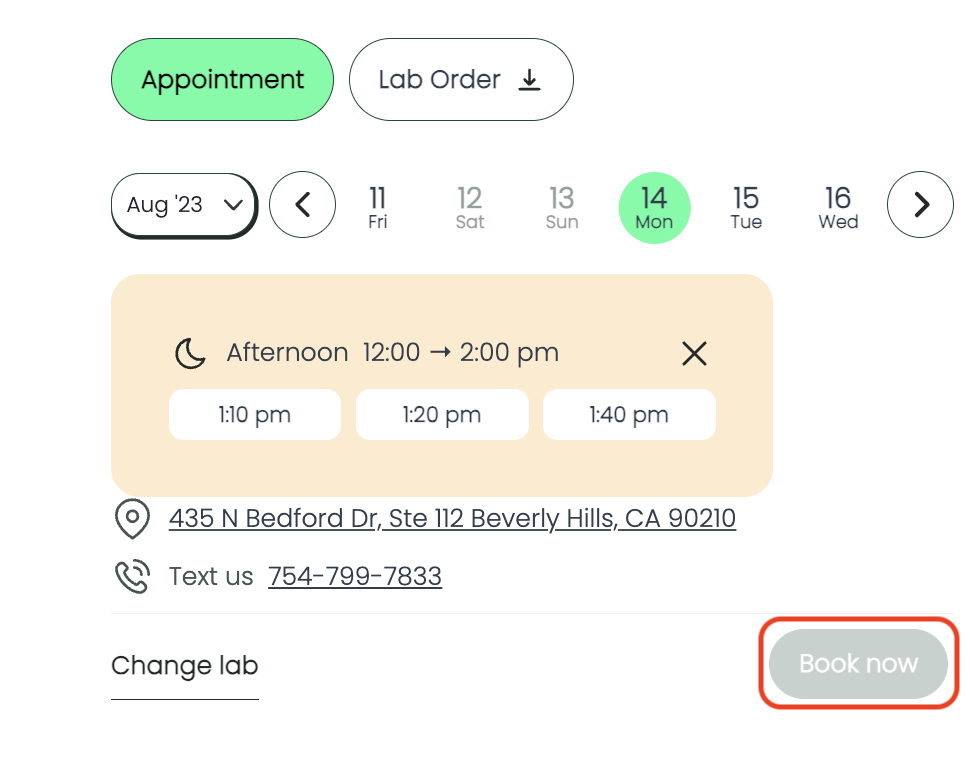
My Quest Diagnostics Appointment: The Unexpected Twist
We have all been there. You book a slot, sit in the waiting room with your little paper slip, deal with the quick pinch of a needle, and walk out with a tiny cotton ball taped to your arm. That was the exact script for **my Quest Diagnostics appointment**, a routine blood draw ordered by my primary care physician as part of an annual wellness check. I expected the usual drill: a few days of silence, followed by an automated email saying my results were ready to view online.

For the most part, the process went exactly according to plan. The phlebotomist was professional, the clinic was clean, and I was in and out in under twenty minutes. But what happened *after* I left the facility—specifically, how my results were delivered, interpreted, and managed—turned out to be an unexpected lesson in modern healthcare technology.
The Digital Waiting Room: Receiving the Results
In the past, patients waited anxiously for a phone call from their doctor’s office. Today, platforms like MyQuest put the data directly into your hands within 24 to 72 hours. Two days after my visit, a notification popped up on my phone. My results were in.
I logged into the portal, expecting to see a neat list of green checkmarks indicating that my cholesterol, blood sugar, and thyroid levels were safely within the standard reference ranges. For the most part, they were. However, embedded in the comprehensive metabolic panel was a single, glaring data point marked outside the normal parameters.
Naturally, human nature took over. Before my doctor had even opened the file, I was staring at a number that was slightly elevated, wondering if it meant I needed to overhaul my diet, start medication, or prepare for a barrage of secondary tests. The immediate aftermath of checking lab results online is often a mix of empowerment and acute anxiety.
The Unexpected Twist After My Quest Diagnostics Appointment
Video: Welcome to Quest Diagnostics

The real surprise, however, had nothing to do with my actual blood chemistry. It happened when I tried to reconcile the portal's automated alerts with my actual healthcare journey. Here is the sequence of events that caught me off guard:
- The premature notification: The lab results hit my portal on a Friday evening at 6:00 PM, effectively locking me out of any meaningful communication with my doctor's office until Monday morning.
- The algorithmic flags: The platform flagged a value as "high," but did not provide the crucial context that my specific age, biological sex, and fasting state might adjust how that number is interpreted.
- The communication gap: Because the lab results went straight to me simultaneously (or even before) they reached my busy physician, I was left in a temporary informational vacuum.
While direct-to-consumer lab portals are fantastic for transparency, this experience highlighted a growing friction point in modern medicine: raw data versus clinical context. A number on a screen is just a snapshot, but without the photographer to explain the lighting, it is easy to misinterpret the picture.
How to Handle Your Next Lab Visit Like a Pro
My experience taught me a few valuable lessons about managing blood work and navigating diagnostic portals. If you have upcoming lab work, keep these practical strategies in mind to avoid unnecessary stress:
- Time your appointment wisely: If possible, schedule your lab work early in the week (Monday through Wednesday). This ensures that if your results trigger any urgent questions, your doctor's office is open to address them promptly.
- Resist the urge to self-diagnose immediately: Out-of-range markers can be caused by dozens of benign factors, ranging from what you ate for breakfast to mild dehydration. Wait for your physician's official notes before jumping to conclusions.
- Write down your questions: When you look at your portal, make a list of specific questions to ask your care team. Asking "What does this specific marker mean for my long-term health?" is much more productive than simply asking "Is this bad?"
Final Thoughts on Modern Lab Work
Ultimately, taking charge of your health through accessible diagnostic testing is a positive step forward. My visit served as a reminder that while technology gives us unprecedented access to our medical information, it cannot replace the nuanced guidance of a trained physician. The next time you walk out of a testing facility, remember that the numbers are only part of the story—and the best part of the process is having a healthcare partner to help you read the final chapters.