N029 Round White Pill: Identification, Uses, and Safety
Finding an unknown tablet in your home, vehicle, or medicine cabinet can be an alarming experience. If you have encountered an n029 round white pill, determining exactly what it is, what it treats, and whether it poses any safety risks is essential before handling or disposing of it. In the pharmaceutical world, physical imprints, colors, and shapes serve as a legal fingerprint required by the U.S. Food and Drug Administration (FDA) to ensure that every tablet can be traced back to its active ingredient and manufacturer.

What Is the N029 Round White Pill?
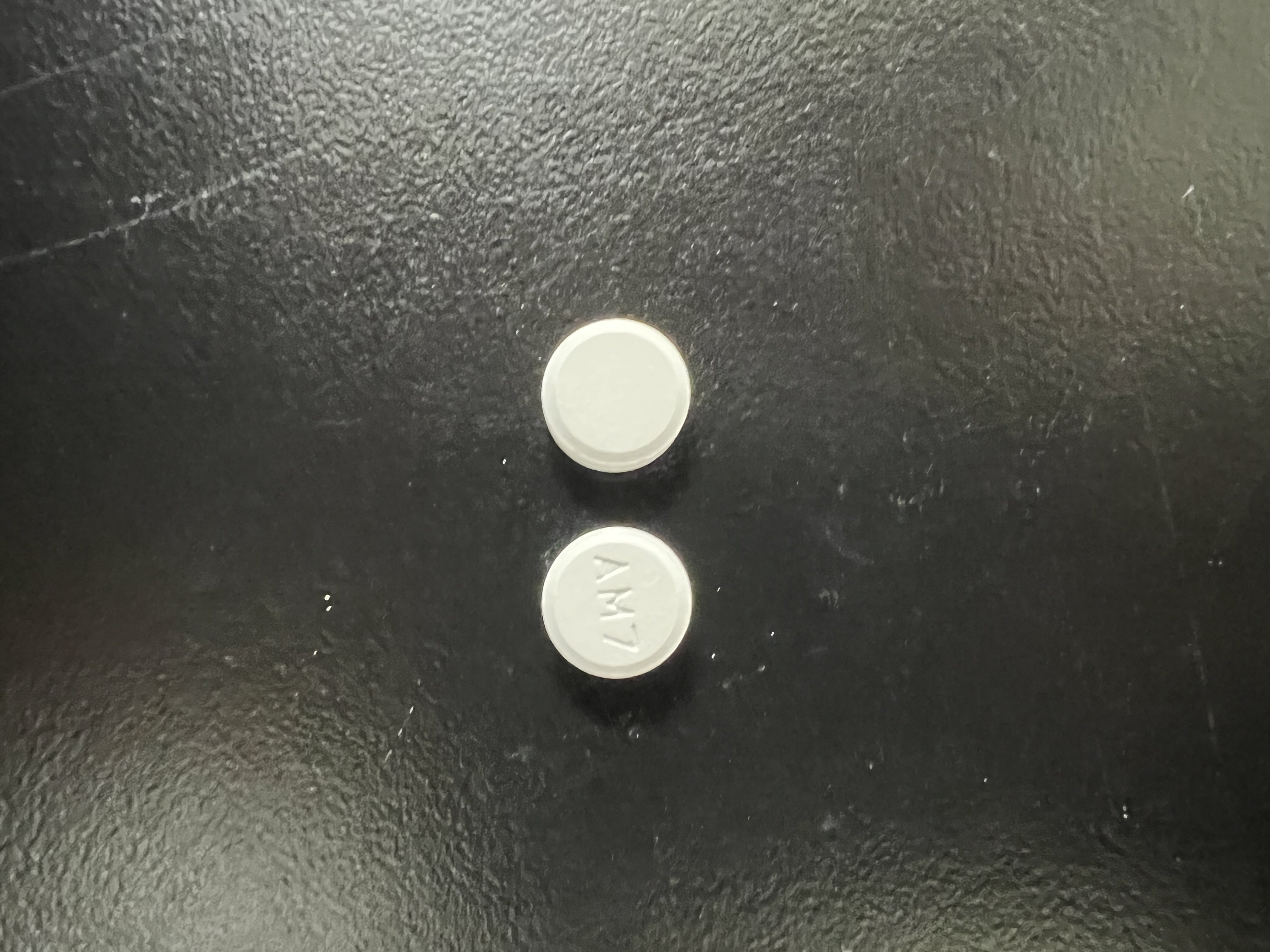
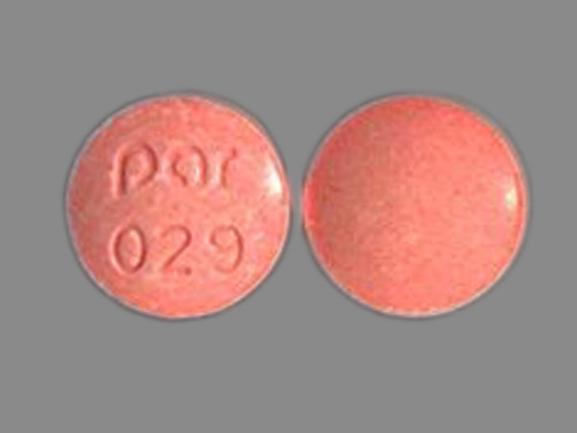
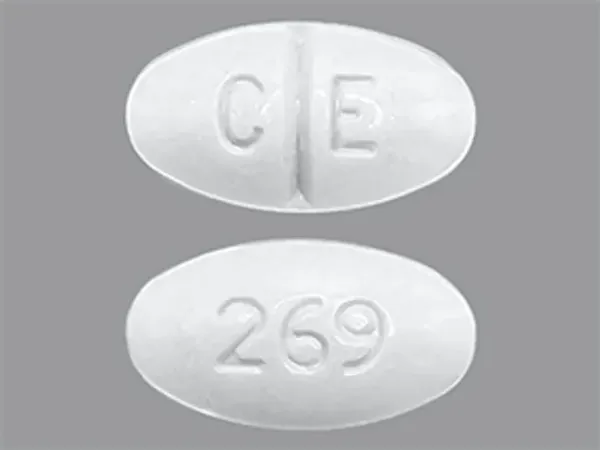
An imprint reading “N 029” or “n029” on a round, white solid dosage tablet typically corresponds to a generic prescription pharmaceutical manufactured under FDA-approved Abbreviated New Drug Applications (ANDAs). In the United States, several generic manufacturers utilize an alphanumeric imprint scheme where a single letter represents the manufacturer and the following numbers designate the specific chemical entity, strength, or formulation.
Most notably, Novel Laboratories, Inc. (and affiliated distributors such as Gavis Pharmaceuticals or Lupin) utilizes the prefix letter “N” followed by a three-digit product identifier matching their product line. Depending on the exact debossing and scoring pattern, tablets stamped with variations of “N” and “029” are commonly tied to oral solid medications designed for digestive, neurological, or cardiovascular conditions.
Physical Characteristics and Imprint Details
When verifying a tablet, every physical attribute matters. Pharmacists use the following criteria to confirm identity:
- Color: Uniform white (may appear off-white under artificial lighting).
- Shape: Round, symmetrical disc.
- Imprint: Debossed with “N 029” (or “N” on one side and “029” on the reverse, or “n029” along a single face).
- Score line: Some versions feature a single bisecting score line on one side to allow halving, while others are plain on the reverse.
- Coating: Uncoated or lightly film-coated compressed powder tablet.
Manufacturer and Labeling Standards
Under Title 21 of the Code of Federal Regulations (21 CFR Part 206), all solid oral dosage forms intended for human use must bear an imprint that permits identification of the drug product and the manufacturer. The “N” imprint is commonly assigned to Novel Laboratories (NDC labeler code 40032), a domestic manufacturer specializing in complex generic pharmaceuticals. Because repackagers also distribute these tablets, the packaging label may carry alternate National Drug Code (NDC) numbers even though the physical tablet imprint remains identical.
Common Uses and Medical Indications
Prescription tablets matching this profile are typically prescribed for specific, acute, or chronic medical conditions. Because multiple generic manufacturers register similar code sequences across different therapeutic classes, you should never assume a pill's indication based solely on a partial visual match. However, medications within this imprint family are most frequently prescribed for the following clinical purposes:
- Gastrointestinal Disorders: Formulations in this category often include antispasmodics or motility agents that relieve abdominal cramping, irritable bowel syndrome (IBS), or severe acid reflux.
- Central Nervous System Therapy: Certain generic tablets bearing Novel Laboratories markings include muscle relaxants or mild anxiolytics formulated to reduce muscle spasms, tension, or associated discomfort.
- Cardiovascular and Metabolic Management: In some generic catalogs, similar numeric codings identify maintenance therapies for regulating blood pressure or cardiovascular rhythm.
Only a licensed medical practitioner can determine whether a specific medication is appropriate for your diagnosis, health history, and current prescription regimen.
Dosage, Administration, and How It Works
Prescription solid tablets should always be taken strictly in accordance with the directions provided on the dispensing pharmacy label. While individual administration instructions vary based on the specific underlying compound, several general clinical rules apply:

- Swallow with Water: Compressed tablets should be swallowed whole with a full glass of water, unless the prescribing physician or pharmacist explicitly instructs you to split the pill along its scored groove.
- With or Without Food: Some gastrointestinal and neuromuscular agents absorb best on an empty stomach, whereas others require food to prevent gastric upset.
- Consistency: Maintenance medications work best when taken at the exact same time every day to preserve steady serum drug concentrations in the bloodstream.
Potential Side Effects and Adverse Reactions
Any prescription drug capable of therapeutic benefit also carries the potential for adverse effects. Depending on the active ingredient represented by the tablet, side effects can range from mild, self-limiting discomfort to severe medical emergencies.
Common Side Effects
Mild symptoms frequently associated with medications in these generic classes include:
- Drowsiness, lightheadedness, or mild dizziness
- Dry mouth or changes in taste perception
- Mild nausea, stomach cramping, or bowel changes (constipation or diarrhea)
- Headaches or minor fatigue during the first few days of therapy
Serious Risks and Warning Signs
Seek emergency medical evaluation immediately if an individual has ingested this medication and exhibits any of the following signs:
- Allergic Reaction: Hives, rash, facial swelling, swelling of the lips, tongue, or throat, and difficulty breathing.
- Neurological Impairment: Extreme confusion, severe unsteadiness, slurred speech, or loss of consciousness.
- Cardiovascular Changes: Rapid, pounding, or irregular heartbeat, or sudden severe hypotension (fainting).
How to Rule Out Lookalikes and Misread Imprints
One of the most frequent errors in pill identification involves reading the debossing upside down or misinterpreting similar alphanumeric characters. Before drawing conclusions about the identity of an unknown pill, inspect the imprint closely under good lighting with a magnifying lens.
- Inverted Imprints: Read upside down, “N 029” can easily be mistaken for “620 N”, “620 U”, or “620 M”. Several manufacturers produce tablets with “620” imprints for completely unrelated therapies.
- Letter Variations: The letter “N” can sometimes be misread as “IV”, “M”, or “H” if the stamping was shallow or has worn down due to friction.
- Similar Generic Codes: A tablet marked “IP 029” or “V 2090” represents an entirely different medication with completely distinct clinical actions and risks.
Critical Safety: Counterfeit Pills and Accidental Ingestion
The proliferation of counterfeit pharmaceutical products makes loose pill identification a critical public health issue. Illicit drug operations frequently use commercial pill presses to produce counterfeit tablets that closely mimic genuine prescription medications. These counterfeits may contain dangerous, unpredictable substances such as illicit fentanyl, synthetic cathinones, or inert cutting agents.
If you discover a loose pill outside of its original manufacturer or pharmacy container:
- Do not ingest it: Never consume a medication found loose in personal belongings, borrowed containers, or public areas.
- Keep out of reach: Place the tablet into a secure container immediately to prevent accidental ingestion by children or household pets.
- Contact Poison Control: If an unknown pill has been ingested accidentally, contact America's Poison Centers immediately at 1-800-222-1222 for confidential, expert guidance available 24/7.
What to Do If You Find an Unidentified Pill
If you need to verify an unknown tablet positively, avoid relying solely on internet image galleries. Take the following concrete steps:
- Consult a Licensed Pharmacist: Take the tablet in a sealed plastic bag or container to your local retail pharmacy. Pharmacists have access to specialized physical identification databases and microscopic tools to authenticate imprints.
- Review Your Prescription History: Cross-reference your active medication bottles or recent refill receipts. Generic manufacturers change frequently; your pharmacy may have filled your standard prescription using a different manufacturer than your prior month's bottle.
- Dispose of Unused Medications Safely: If the medication is expired, unneeded, or cannot be positively identified, dispose of it responsibly through a designated community drug take-back kiosk or an authorized pharmacy drop-off site rather than flushing it into local waterways.