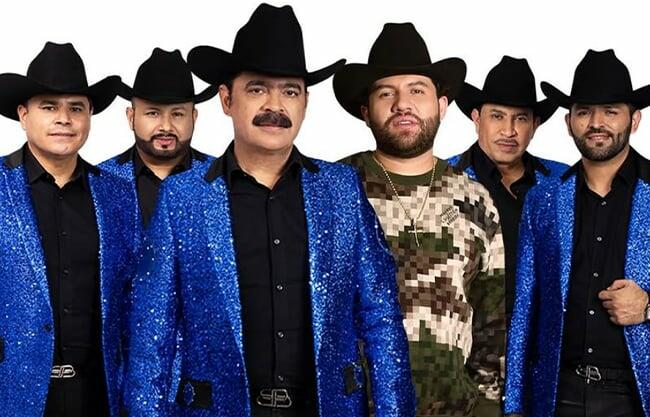
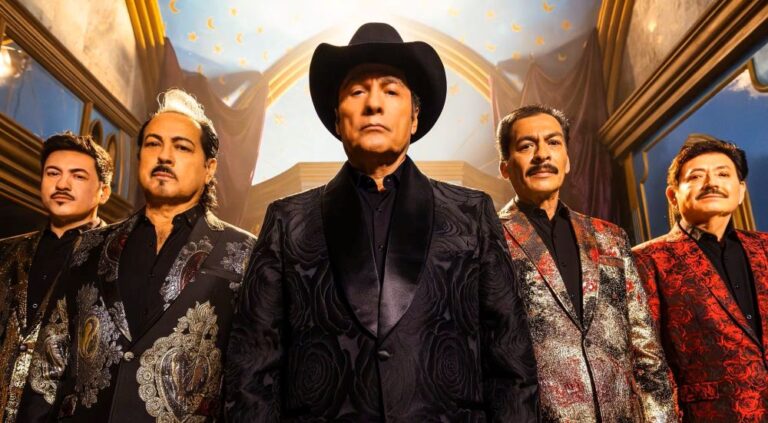
Narco Corrido Singers Using Voices to Challenge Norms
For decades, regional Mexican music operated within strictly defined aesthetic and cultural boundaries. Traditional corridos functioned as oral histories, documenting rural struggles, revolutionary heroes, and eventually, the harrowing underworld of drug cartels. Today, that framework has shattered. The rise of the big names: narco corrido singers using their voice to challenge norms has transformed what was once an insular, stigmatized folk genre into one of the most dominant forces in modern global streaming.
Artists like Peso Pluma, Natanael Cano, Junior H, and groups like Fuerza Regida are no longer confined to traditional tropes. By synthesizing traditional Mexican folk instrumentation with urban grit, trap beats, and unfiltered youth rebellion, these performers are challenging industry expectations, sociopolitical censorship, and generational conventions on an international scale.
The Evolution: From Smuggling Ballads to Global Chart-Toppers
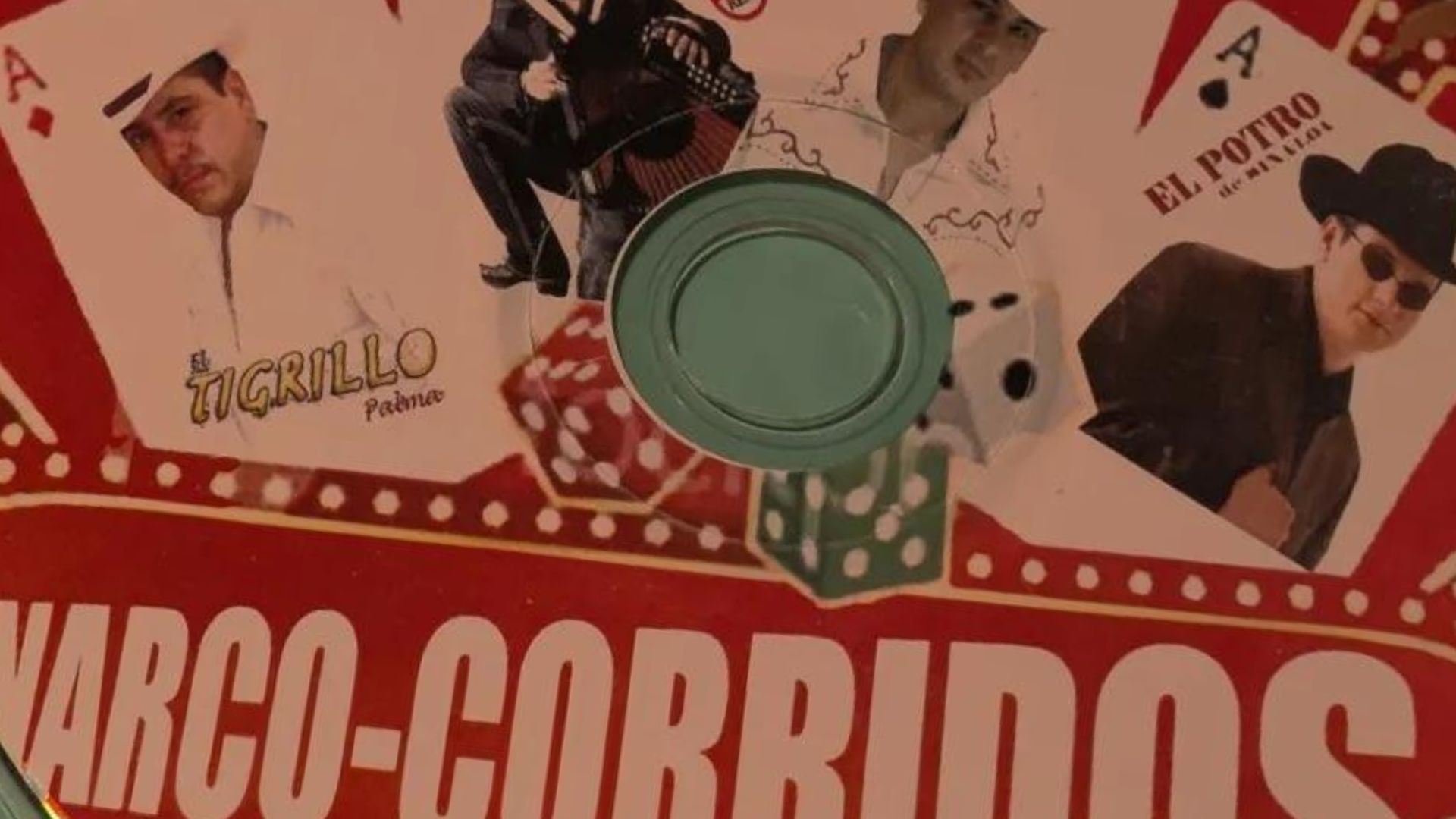
The corrido has always been an inherently subversive medium. Historically, singers like Chalino Sánchez chronicled the dangerous realities of northern Mexico and border towns, giving voice to marginalized figures who existed outside the law. While classic narco corridos glorified or neutrally observed cartel figures, they largely stayed within the sonic confines of norteño and banda—anchored by accordions, brass, and traditional cowboy attire.
The modern era began when a younger generation, raised equally on Ariel Camacho and American hip-hop stars like Drake and Travis Scott, reengineered the sound. Natanael Cano pioneered corridos tumbados in the late 2010s, stripping away the accordion in favor of lightning-fast acoustic guitars (requintos), a thumping upright bass (tololoche), and brass horns played with punk-rock ferocity.
This stylistic pivot cleared the runway for unprecedented commercial success. In 2023, songs like “Ella Baila Sola” (by Eslabon Armado and Peso Pluma) topped the global Spotify charts, outperforming mainstream pop giants. This marked a monumental cultural shift: Spanish-language music rooted in rural Mexican traditions was no longer a regional niche, but a worldwide phenomenon.
The Rise of the Big Names: Narco Corrido Singers Using Their Voice to Challenge Norms
The current generation of corrido artists does far more than sing about illicit lifestyles; they actively dismantle long-standing cultural and musical orthodoxies. Their disruption manifests across several distinct fronts:
1. Redefining Masculinity and Aesthetic Codes
For generations, the regional Mexican singer was defined by a monolithic image: stetson hats, exotic leather boots, heavy belt buckles, and stoic machismo. Modern corrido stars have almost entirely discarded this uniform.
Instead, artists like Natanael Cano and Peso Pluma appear on stage wearing luxury streetwear, oversized designer hoodies, backward baseball caps, and skate shoes. By adopting aesthetics associated with hip-hop and skate culture, they reflect the hybrid realities of Gen Z youth living between Mexico and the United States.
Furthermore, their lyrical themes frequently depart from sheer bravado. While songs still touch upon luxury, fast cars, and cartel folklore, they increasingly incorporate vulnerability—tackling themes of loneliness, heartbreak, mental fatigue, and the anxiety of sudden wealth.
Video: Narco Corridos: The Deadly Connection Between Mexican Singers and Drug Cartels

2. Defying Music Industry Gatekeeping
Historically, Latin music commercial viability was controlled by television networks in Miami and terrestrial radio stations in Mexico. Contemporary corrido singers bypassed these legacy gatekeepers entirely:
- Viral Grassroots Distribution: Modern hits are born on TikTok and distributed independently through digital platforms before radio stations even catch wind of them.
- Unapologetic Regional Identity: Rather than diluting their slang or acoustic instrumentation to appeal to English-speaking or mainstream pop markets, these artists doubled down on their regional dialects, making global audiences adapt to them rather than the reverse.
- Cross-Genre Collaboration: High-profile crossovers with artists like Bizarrap, Bad Bunny, and Marshmello proved that traditional Mexican brass and guitar riffs could blend effortlessly with trap and electronic dance music.
3. Reclaiming the Working-Class Narrative
Critics frequently accuse modern corridos of glamorizing violence. However, many performers and sociologists argue that the music functions as a reflection of limited economic mobility. The lyrics often focus on la superación—overcoming systemic poverty through sheer ambition, hustle, and resilience.
By singing candidly about the desire for material success in communities plagued by economic stagnation, these artists vocalize the frustrations and aspirations of millions of working-class youth across the Americas.
Navigating Bans, Censorship, and Real-World Peril
Despite their massive success, modern corrido singers face severe pushback from authorities who view their work through the lens of moral panic. In Mexico, municipalities such as Tijuana, Cancún, and Chihuahua have enacted strict bans on public performances of narco corridos and corridos bélicos, levying heavy fines against artists who perform them.
Government officials argue that the music incites violence and creates a culture of crime. In contrast, the artists argue that silencing songs does nothing to dismantle the structural corruption, cartel violence, or economic disparities that produce the stories in the first place.
Moreover, the danger remains physical. Historical figures like Chalino Sánchez and Valentín Elizalde were famously murdered due to cartel tensions, and modern artists still navigate real-world threats and canceled concerts due to banner warnings (narcomantas) placed by rival criminal organizations. Continuing to perform under such conditions is a testament to the high stakes tied to the genre.
The Enduring Impact on Global Culture
The transformation of narco corridos into a dominant global genre is one of the most remarkable musical evolutions of the 21st century. By refusing to conform to pop sanitization, today's prominent singers have shown that authenticity and cultural specificity resonate across language barriers.
These artists have expanded the boundaries of what Mexican music can sound and look like. As regional Mexican music continues to claim prime real estate on festival lineups and international charts, these performers are no longer peripheral outlaws; they are cultural innovators who used their voices to dismantle boundaries and redefine modern music on their own terms.