Natal Chart Compatibility: Astrological Factors Explained
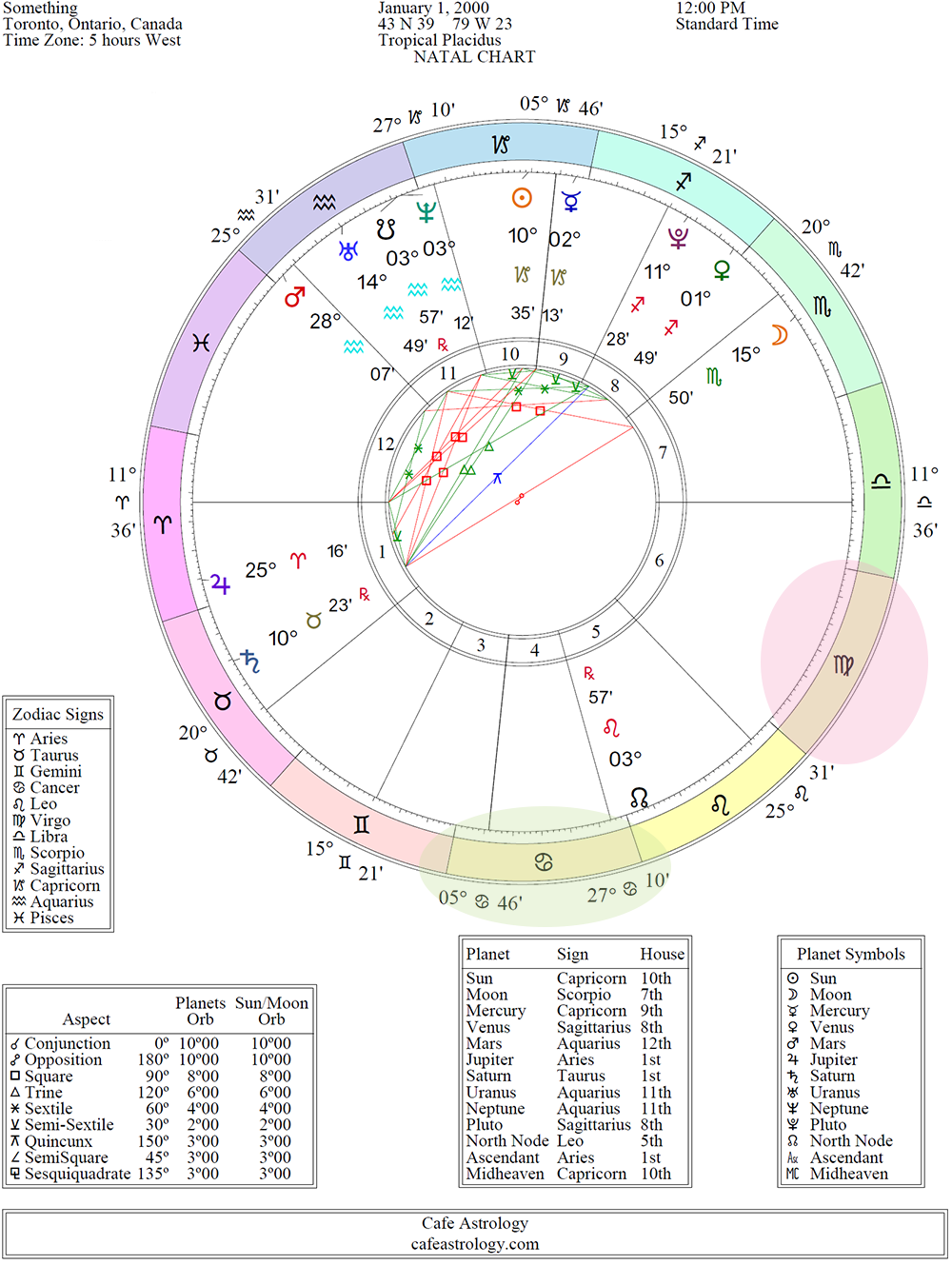
When people first dive into astrology, they often look exclusively at their sun sign to determine if they are a match with someone else. However, real relationship astrology goes far beyond basic sun sign matches. Evaluating natal chart compatibility requires a deep dive into synastry—the astrological art of comparing two birth charts to see how planets, houses, and elements interact.

Understanding these cosmic blueprints helps explain why you might feel an instant, magnetic pull toward someone, or conversely, why chronic friction arises with a partner despite your best intentions. Let us break down the primary astrological factors that dictate how two charts mesh together.
The Core Personal Planets: Sun, Moon, and Ascendant
In any relationship analysis, the inner planets and luminaries carry the most weight. They describe your core identity, emotional needs, and outer persona. When comparing two charts, astrologers look closely at how these foundational points converse.
Sun and Moon Connections
Your Sun sign represents your conscious ego, core drive, and life path, while your Moon sign reveals your inner emotional world, instincts, and what you need to feel safe. Harmonious aspects (like trines and sextiles) between one person's Sun and the other's Moon create a natural, comforting flow of mutual understanding. The Sun-person illuminates and supports the Moon-person's emotional needs, making this a classic indicator of long-term partnership potential.
The Ascendant (Rising Sign) and Descendant
Your Ascendant is the mask you wear and how you greet the world, sitting on the cusp of the first house. Directly opposite sits the seventh house cusp, known as the Descendant—the exact sign rising on the eastern horizon at the moment of your birth in the opposite direction. The Descendant governs partnerships, marriage, and one-on-one relationships. If your partner's Sun, Moon, or personal planets land on your Descendant, it often sparks an immediate feeling of partnership and destiny.
Elemental Balance and Modalities
Beyond individual placements, the overall distribution of elements (Fire, Earth, Air, Water) and modalities (Cardinal, Fixed, Mutable) in both charts sets the tone for daily life and communication.
- Fire (Aries, Leo, Sagittarius) & Air (Gemini, Libra, Aquarius): These active elements generally support each other, bringing energy, ideas, and social movement to a relationship.
- Earth (Taurus, Virgo, Capricorn) & Water (Cancer, Scorpio, Pisces): These receptive elements ground one another, fostering practical stability and deep emotional resonance.
Friction often occurs when two charts have opposing elemental needs—for instance, a heavily Water-dominant chart needing constant emotional processing paired with a strongly detached Air chart that prefers logical problem-solving. Neither approach is wrong, but recognizing the difference prevents needless miscommunication.
The Chemistry of Venus and Mars
If the Sun and Moon represent the heart and soul of a relationship, Venus and Mars represent the romantic and physical machinery. Known as the relational planets, their interactions dictate your baseline chemistry.

Venus: Values, Romance, and Aesthetics
Venus rules how you give and receive affection, what you find beautiful, and how you handle shared finances and values. In synastry, if your Venus forms a harmonious aspect to your partner’s Mars, you unlock classic romantic and sexual chemistry. You appreciate each other's style of loving, making romantic expression feel effortless and appreciated.
Mars: Drive, Passion, and Conflict
Mars governs your primal energy, libido, anger, and how you pursue what you want. When two Mars placements clash—such as through a square or opposition—it can manifest as intense physical attraction mixed with frequent power struggles and arguments. Conversely, harmonious Mars aspects grant a shared rhythm for tackling projects, ambitions, and physical intimacy together.
Crucial Asteroids and Outer Planets
Modern astrology places heavy emphasis on outer planets (Jupiter, Saturn, Uranus, Neptune, Pluto) and key asteroids like Chiron and Juno to measure the depth and karmic weight of a connection.
- Saturn: The planet of structure, time, and karma. Strong Saturn connections (like Saturn conjunct a partner’s personal planet) anchor a relationship, providing staying power, commitment, and maturity, though they can sometimes feel restrictive.
- Chiron: Known as the Wounded Healer, contacts with Chiron often highlight deep-seated vulnerabilities, offering opportunities for profound emotional healing or, if mismanaged, repetitive triggers.
- The Lunar Nodes (North and South Nodes): These points speak to karmic destiny. When someone's planets touch your nodal axis, you often feel an uncanny sense of having known them before, suggesting a soul-contract or a relationship meant to teach you vital evolutionary lessons.
The Significance of Astrological Houses
It is not just about which planet is involved, but where it lands in your partner's chart. Overlay analysis—placing your planets into your partner's twelve houses—reveals specific life arenas where you impact one another.
For instance, if your partner’s Jupiter falls into your second house of personal finances and self-worth, their presence might naturally boost your confidence and financial outlook. If your Mars activates their eighth house of shared resources and intimacy, expect deep psychological bonding and intense physical passion. House overlays give practical context to abstract planetary aspects, showing precisely where the energy plays out in real life.
Putting It All Together
No natal chart compatibility report is entirely black-and-white. Every relationship features a complex tapestry of ease and challenge. Hard aspects (squares and oppositions) create friction, but they also provide the grit required for personal growth and dynamic chemistry. Meanwhile, soft aspects (trines and sextiles) offer comfort and ease, though too much ease can sometimes lead to stagnation.
Ultimately, a great synastry reading is a tool for self-awareness and empathy. By understanding the astrological gears turning beneath the surface of your partnership, you can lean into your natural strengths, navigate differences with compassion, and build a more conscious, resilient bond.