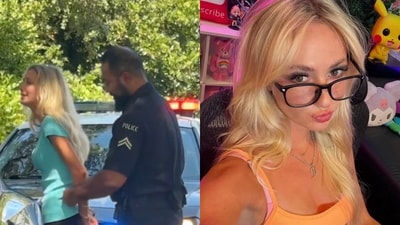
Natalie Reynolds Secret Leak: What Really Happened
In the fast-paced world of social media, digital scandals and viral rumors can emerge in a matter of seconds. Few online personalities have experienced this phenomenon quite as intensely as content creator Natalie Reynolds. Recently, internet forums and social media feeds exploded with speculation after a rumor mill started churning out headlines like You Won’t Believe What Natalie Reynolds Revealed in Her Secret Leak. But when you strip away the sensationalized clickbait and examine the actual facts, the reality of the situation looks very different from what viral posts claim.

Understanding how these digital storms form helps us navigate today's media landscape. This article breaks down the origin of the rumors, the mechanics of online virality, and what users can learn about digital privacy and misinformation.
The Anatomy of a Viral Internet Rumor
To understand the panic and curiosity surrounding digital leaks, we first need to look at how modern internet culture operates. Algorithms on platforms like TikTok, X (formerly Twitter), and Reddit are designed to reward engagement. Sensational claims, especially those involving prominent influencers, naturally attract high engagement rates.
When vague terms or sensational phrases start trending, malicious actors or engagement farmers often step in. They capitalize on the curiosity gap by creating fake links, misleading video thumbnails, and exaggerated blog posts. The phrase You Won’t Believe What Natalie Reynolds Revealed in Her Secret Leak serves as a textbook example of classic clickbait designed to exploit user curiosity through fear of missing out (FOMO).
Why Do People Fall for Clickbait Leaks?
Several psychological factors contribute to the rapid spread of unverified online rumors:
- Curiosity Gap: When a headline hints at hidden or forbidden information, human psychology drives us to seek closure.
- Confirmation Bias: Users who already hold a strong opinion about a public figure are more likely to believe negative rumors without checking sources.
- Echo Chambers: Reposting without verification on social media creates an illusion of consensus, making false claims appear credible.
Fact-Checking the Natalie Reynolds Controversy
Whenever a high-profile creator becomes the subject of a trending leak, digital forensics and community fact-checkers quickly go to work. In the case of Natalie Reynolds, investigation into the viral claims revealed a complete lack of credible evidence supporting the existence of any extraordinary or confidential disclosures.
In most instances like this, creators are either:

- Completely uninvolved in the purported events, with their names simply attached to fake news for search engine optimization (SEO) purposes.
- Dealing with out-of-context clips taken from old streams, public interviews, or standard social media posts that have been deliberately re-edited to manufacture controversy.
Reliable media analysis consistently shows that sensational headlines rarely match reality. Public figures often face targeted smear campaigns or coordinated bot activity designed to inflate search trends for financial or malicious gain.
The Broader Impact on Digital Privacy and Creators
The obsession with finding private content or unverified leaks highlights a darker side of internet culture. Content creators operate under constant scrutiny, where their personal lives and public personas frequently blur. The normalization of hunting for private leaks creates a toxic environment that impacts both the mental health of influencers and the overall safety of the internet.
Furthermore, clicking on unverified links associated with viral leaks often exposes users to significant cybersecurity risks, including:
- Phishing Scams: Fake download pages designed to steal login credentials and personal information.
- Malware and Adware: Malicious software disguised as media files that can compromise device security.
- Data Harvesting: Surveys and fake verification walls used by scammers to collect personal data for spam networks.
How to Protect Yourself Online
Navigating social media safely requires a healthy dose of skepticism. When you encounter sensational claims or tempting headlines about internet personalities, keep these best practices in mind:
- Verify the Source: Check reputable news outlets or the creator's official verified social media channels before believing a rumor.
- Avoid Suspicious Links: Never click on links promising exclusive leaks, private photos, or unreleased videos, as they are primary vectors for malware.
- Refuse to Engage: Do not share, like, or comment on unverified rumor posts, as algorithmic engagement only amplifies malicious content.
Conclusion
The media circus surrounding the purported Natalie Reynolds secret leak ultimately serves as a reminder of how easily misinformation spreads online. By looking past sensational headlines and understanding the tactics used by engagement farmers, internet users can protect themselves from scams and contribute to a healthier digital ecosystem. Always prioritize critical thinking and digital hygiene over the temptation of viral gossip.