Navigating Colorado's Public Partnerships
Introduction to Colorado Public Partnerships
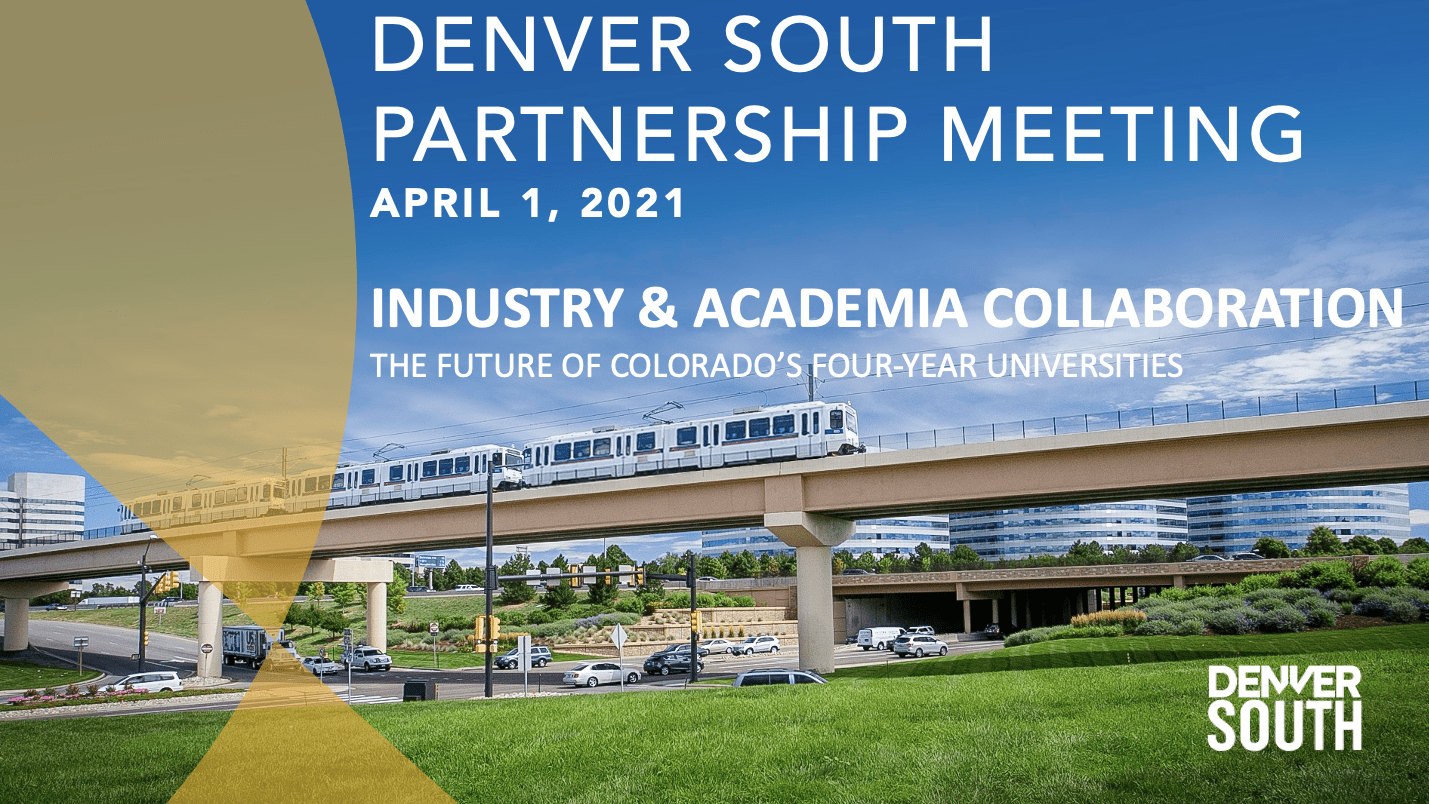
Colorado's economy thrives on collaboration. From massive transit projects along the Front Range to rural broadband expansions, joint ventures between government entities and private or non-profit organizations drive much of the state's infrastructure and community development. However, navigating Colorado's complex public partnership landscape requires patience, strategic insight, and a deep understanding of local regulatory frameworks.
Whether you represent a private corporation bidding on state infrastructure or a non-profit seeking municipal grant funding, the terrain is multifaceted. Colorado boasts a decentralized governance model where counties, municipalities, and special districts hold significant autonomy. This means a playbook that works in Denver may fall flat in Mesa County or Pueblo.
The Core Framework: Understanding Colorado's Entities
To successfully collaborate with the public sector, you must first understand who holds the authority. Colorado's public partnership ecosystem involves several distinct layers of government and quasi-governmental agencies.
State Agencies and Departments
State-level initiatives typically run through specific departments like the Colorado Department of Transportation (CDOT), the Colorado Department of Local Affairs (DOLA), and the Colorado Office of Economic Development and International Trade (OEDIT). Each department has its own procurement rules, grant cycles, and strategic priorities. For instance, OEDIT frequently partners with private venture groups and regional economic councils to foster innovation and job growth.
Local Municipalities and Counties
City councils, county commissioners, and local urban renewal authorities (URAs) manage the bulk of land use, zoning, and local economic development partnerships. These entities often use tools like tax increment financing (TIF) and metropolitan districts to finance public-private developments.
Special Districts
Unique to Colorado's governance structure, special districts (such as water, sanitation, fire protection, and metropolitan districts) are local governments created to provide specific services. Partnering with these districts involves navigating Title 32 of the Colorado Revised Statutes, which dictates their formation, powers, and debt limits.
Key Drivers and Funding Mechanisms
Public partnerships in the Centennial State are often catalyzed by specific financial incentives and legislative frameworks. Knowing how projects are funded is essential for a successful proposal.
- CO-PA (Colorado Partnerships for Aging, Housing, etc.): State-backed initiatives frequently seek private capital to solve pressing social issues like affordable housing and workforce shortages.
- Bipartisan Infrastructure Law (BIL) Funds: Colorado receives substantial federal allocations that state and local agencies funnel into public-private construction and green energy projects.
- Enterprise Zones: OEDIT designates specific geographic areas as enterprise zones, offering state income tax credits to businesses that invest and hire within those zones, often in partnership with local municipalities.
Navigating Compliance and Regulatory Hurdles
Transparency and compliance are non-negotiable when working with public entities in Colorado. Failure to adhere to state and local statutes can jeopardize funding, invalidate contracts, and damage organizational reputations.

The Colorado Open Records Act (CORA)
Unlike purely private agreements, documents related to public partnerships are generally subject to CORA. Partners must be comfortable with a high degree of transparency. Communications, financial projections, and contract drafts may become a matter of public record upon request.
The Taxpayer's Bill of Rights (TABOR)
Enshrined in the Colorado Constitution, TABOR severely restricts how much revenue the state and local governments can collect and retain without voter approval. For public partnerships involving multi-year financial obligations or debt issuance by public entities, TABOR compliance is a critical legal hurdle that often requires careful structuring, such as annual appropriation clauses.
Best Practices for Partnership Success
Building a resilient collaboration with a Colorado public entity demands a proactive approach. Organizations that consistently succeed in this space follow several foundational guidelines.
1. Engage Early and Locally
Do not wait for a formal Request for Proposal (RFP) to introduce your organization. Attend city council meetings, county commissioner hearings, and regional planning sessions. Build relationships with civic leaders before projects are officially put out to bid.
2. Align with Public Goals
Public agencies are ultimately accountable to taxpayers. Your partnership proposal must clearly articulate public benefits—such as job creation, environmental sustainability, reduced traffic congestion, or community revitalization—rather than just focusing on private profit margins.
3. Build Robust Legal and Financial Teams
Given the intricacies of Colorado procurement laws, prevailing wage requirements, and local zoning codes, retain legal counsel and consultants who specialize in Colorado public sector law. A small oversight in contract framing can cause costly project delays.
Conclusion
Working at the intersection of the public and private sectors in Colorado offers immense rewards. By understanding the unique layers of state governance, respecting transparency mandates like CORA, and aligning your goals with community needs, you can turn complex civic hurdles into lasting partnerships that shape Colorado's future.