Navratilova’s Mind Games: Mental Toughness
When tennis fans discuss the greatest players to ever grace a court, Martina Navratilova is always part of the conversation. With 18 Grand Slam singles titles, 31 women's doubles titles, and 10 mixed doubles titles, her physical dominance is well-documented. Yet, her supremacy was built on something far more formidable than a lethal left-handed serve or blistering volley: it was forged in her psychological approach. Navratilova’s Mind Games: Mental Toughness That Elevated Her to the Summit! remains a masterclass in how elite athletes can weaponize psychology to dominate their eras.
The Evolution of a Champion's Psyche
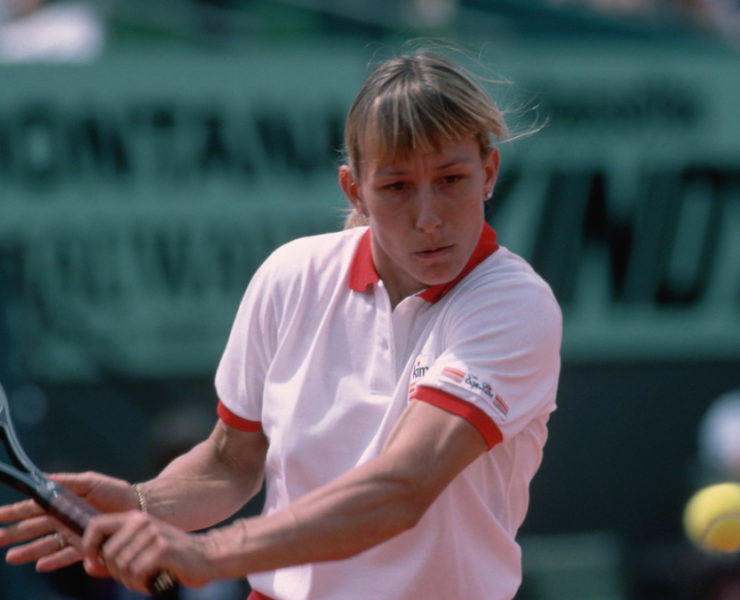
Martina did not start her career as an unbeatable force. After defecting from communist Czechoslovakia to the United States in 1975, she faced immense personal upheaval, isolation, and intense scrutiny. Early in her career, she struggled with weight control, emotional outbursts on the court, and a notorious vulnerability against her great rival, Chris Evert.
To bridge the gap between immense talent and championship execution, Navratilova had to completely overhaul her mindset. She realized that physical conditioning alone was insufficient. She needed an impenetrable psychological armor.
Mastering Navratilova’s Mind Games on the Court
Navratilova understood that tennis is essentially a game of problem-solving under extreme pressure. Her psychological edge came from a combination of self-awareness, rigorous preparation, and subtle tactical intimidation.
1. Redefining Pressure as Privilege
Instead of shrinking from high-stakes moments, Navratilova learned to embrace the discomfort of pressure. She shifted her internal dialogue, viewing break points and championship points not as threats, but as opportunities to assert control. This reframing allowed her to maintain cognitive clarity while opponents grew tight and overly cautious.
Video: Its the mind game -Martina Navratilova

2. The Power of Fitness as Psychological Warfare
Navratilova revolutionized women’s tennis by introducing rigorous cross-training, weightlifting, and strict dietary discipline. This wasn't just about winning physical rallies; it was a psychological weapon. Walking onto the court looking like an unstoppable machine sent a clear message to her opponents before the first ball was even struck: to beat her, they would have to endure a grueling physical and mental marathon.
3. Strategic Adaptability and Controlled Aggression
Her signature serve-and-volley style required immense courage. Moving forward meant exposing herself to passing shots, leaving her vulnerable if her execution faltered. However, Navratilova used this aggressive style to dictate the psychological terms of the match. By rushing the net, she forced opponents into making hurried, low-percentage decisions.
Lessons in Mental Toughness for Everyday Life
The principles that elevated Navratilova to the pinnacle of tennis extend far beyond sports. Anyone looking to build resilience can adopt her framework:
- Embrace Vulnerability and Adaptation: Acknowledge weaknesses honestly, just as Martina did when she hired specialists to help overhaul her diet and fitness.
- Control the Controllables: Focus entirely on execution, strategy, and effort rather than the scoreboard or external expectations.
- Turn Rivals into Catalysts: Use competition not as a source of anxiety, but as a benchmark for personal growth and excellence.
Conclusion
Martina Navratilova’s legacy is a testament to the fact that champions are built from the inside out. Through relentless self-examination, physical dedication, and tactical sharpness, she turned her vulnerabilities into unmatched strengths. Her enduring story proves that true dominance requires mastering not just the opponent across the net, but the complex landscape of one's own mind.