Navy SEALs Pistols: Customization for Peak Performance
Introduction to Navy SEALs Pistols

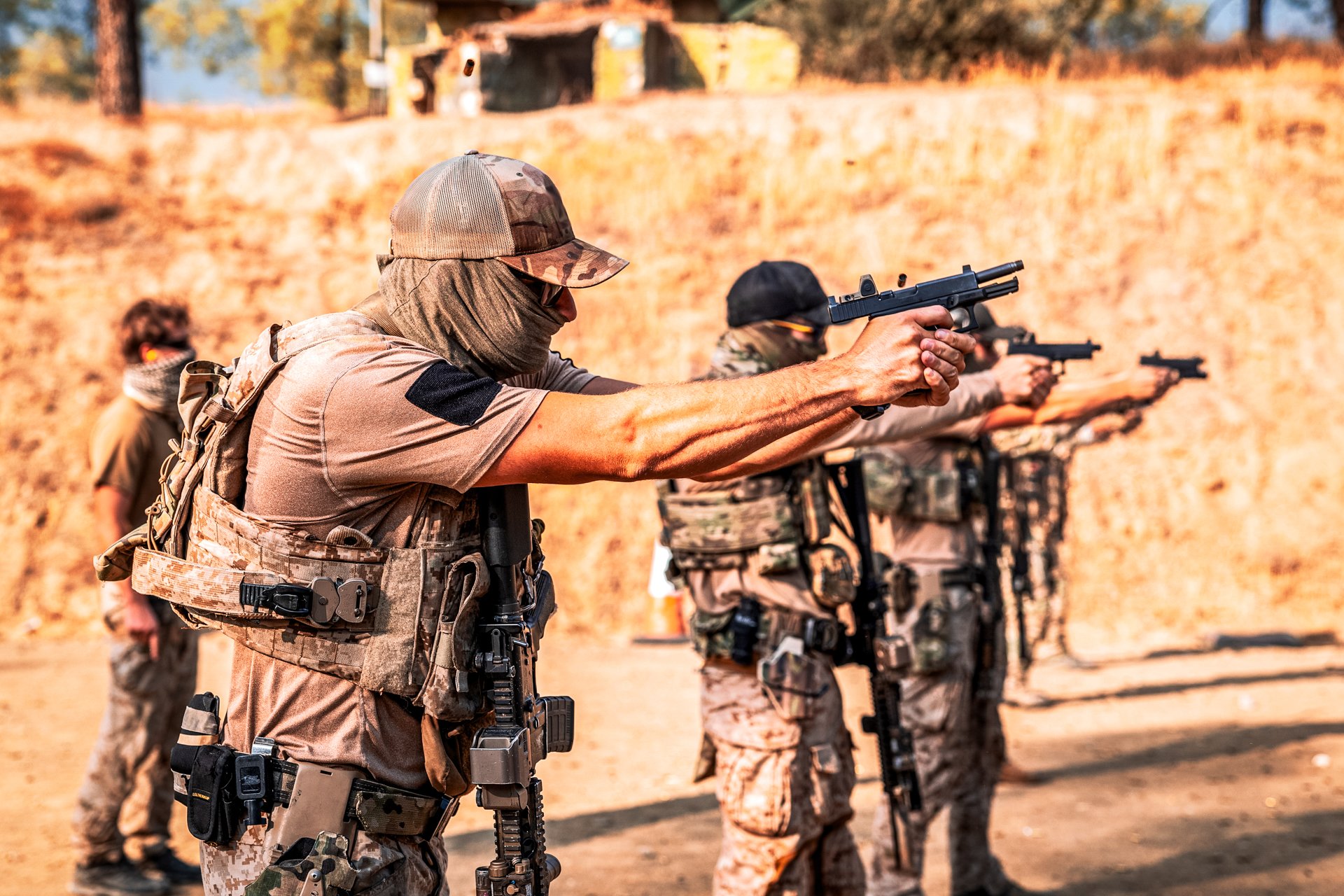
In the high-stakes world of Naval Special Warfare, every piece of equipment can mean the difference between mission success and failure. While rifles and submachine guns often take center stage, sidearms remain critical backup tools for close-quarters combat, breaches, and unexpected weapon malfunctions. When examining Navy SEALs pistols, you will find that stock, off-the-shelf handguns are rarely deployed in their factory configurations.
Operators demand absolute reliability, precision, and ergonomics tailored to their exact preferences. Because operators face extreme environments—from saltwater surf to freezing mountain ranges—their sidearms undergo rigorous modifications. Understanding how these elite warriors configure their handarms provides a fascinating look into functional, mission-driven firearm customization.
The Evolution of SEAL Sidearms
Historically, Navy SEALs used various handarms depending on the era and specific mission requirements. From the classic M1911 A1 in .45 ACP to the transition to the 9mm SIG Sauer P226 (designated the MK25), operators have always required robust platforms. In recent years, the U.S. military's adoption of modular handgun systems has shifted the landscape toward polymer-framed, striker-fired platforms like the Glock 19 (designated the MK27).
Regardless of the specific baseline model issued, the philosophy remains unchanged: the gun is merely a starting point. Operators and unit armorers work in tandem to optimize these weapons for the specific demands of maritime, jungle, and urban warfare.
How They Customize for Peak Performance
Customizing a combat handgun is never about aesthetics; it is purely utilitarian. Every modification addresses a specific tactical challenge, whether that is improving target acquisition speed in low-light environments or ensuring the weapon cycles reliably when fouled with sand and carbon.
Optics and Sighting Systems
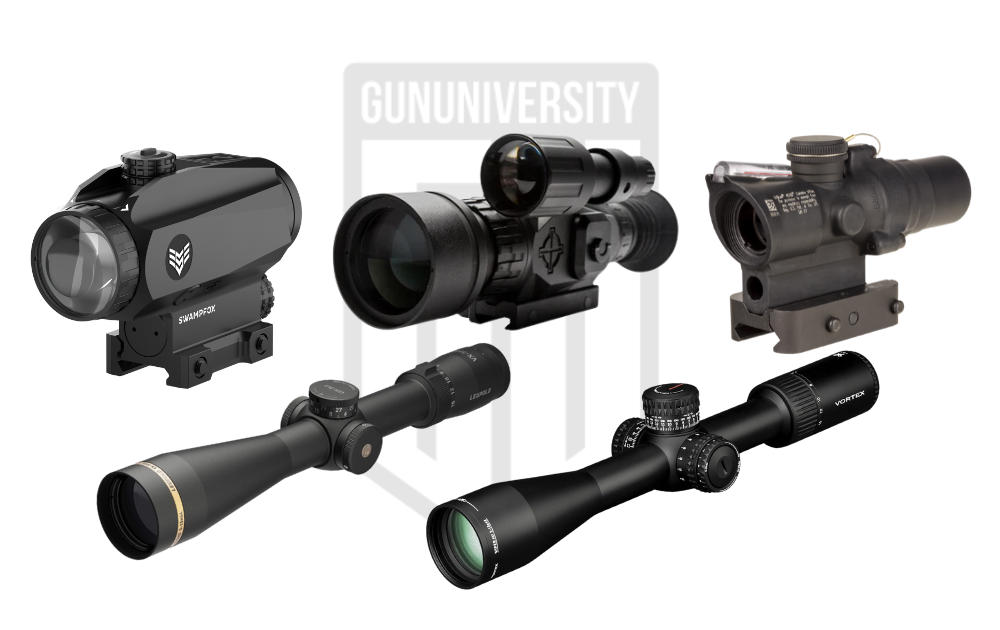
Modern combat requires lightning-fast target acquisition. Iron sights, while still maintained as a reliable backup, have largely been supplemented or replaced by miniature red dot sights (MRDS).
- Slide Milling: Armorers mill the pistol slides to directly mount micro-optics like the Trijicon RMR. Direct mounting keeps the optic lower, allowing for a more natural co-witness with iron sights.
- Night Sights: High-visibility tritium iron sights are standard, ensuring operators can align their shots in pitch-black rooms or during night operations without relying on battery-powered optics.
- Optic Protection: Protective steel shrouds are frequently added around red dot sights to withstand the brutal impacts of fast-roping, breaching, and hard-surfaced drops.
Triggers and Internal Tuning
A crisp, predictable trigger pull directly translates to improved shot placement under stress. Factory military triggers are often heavy and gritty to prevent accidental discharges under duress, but elite operators require a more refined interface.
Armorers often polish internal sear surfaces, reduce trigger pull weight slightly while maintaining safe drop-sears, and install upgraded trigger shoes. A flat-faced trigger shoe, for instance, allows for a more consistent finger placement and a cleaner break, minimizing lateral movement of the muzzle when the shot is fired.
Grip Enhancements and Ergonomics
An operator's hands might be wet, covered in mud, or wearing thick gloves. A slippery grip can compromise weapon retention and follow-up shot speed.
- Stippling and Laser Texturing: Polymer frames are often permanently altered using thermal stippling or aggressive grip tape. This creates a high-friction surface that locks the hand in place.
- Undercuts: The trigger guard is frequently undercut where it meets the grip, allowing the operator's dominant hand to ride higher on the backstrap. This reduces the bore axis leverage, helping to mitigate muzzle flip.
- Custom Backstraps: Swappable backstraps ensure the grip circumference perfectly matches the operator's hand size, improving trigger reach and overall control.
Suppressors and Threaded Barrels
Stealth and communication are paramount during direct action raids. Navy SEALs pistols are frequently paired with sound and flash suppressors, commonly referred to as cans.
To accommodate these suppressors, drop-in match-grade threaded barrels are installed. These barrels are often manufactured to tighter tolerances than factory options, improving inherent mechanical accuracy while providing the necessary mounting interface for quick-detach suppressors. Specially designed recoil springs are also utilized to ensure the heavier slide assembly cycles reliably with the added weight of a suppressor attached.
Weapon Lights and Illumination
Target identification is a legal and tactical imperative. Rail-mounted white light and infrared (IR) laser/illumination modules are standard issue on almost all primary SEAL sidearms.
Ruggedized lights like the SureFire X300 are permanently mounted to the accessory rail. These lights project a blinding beam of light to disorient threats while illuminating dark hallways, crawl spaces, and vehicles. Combined with night vision goggles, the IR capabilities allow operators to aim and shoot effectively without emitting visible light.
The Importance of Reliability Over Complexity
While the list of modifications is extensive, unit armorers operate under a strict golden rule: modifications must never compromise reliability. A heavily modified race gun that functions poorly in a dusty or wet environment is a liability.
Every customization on a Navy SEAL pistol undergoes extensive torture testing. Before a modified sidearm ever sees combat deployment, it is subjected to saltwater submersion, mud baths, high-round-count endurance tests, and drop testing. If a modification causes even a minor feeding malfunction, it is rejected.
Conclusion
The sidearms carried by Naval Special Warfare operators are masterpieces of practical engineering. Through meticulous attention to optics, triggers, ergonomics, and suppression systems, these tools are fine-tuned to maximize human potential under the most stressful conditions imaginable. Ultimately, the true value of these customized pistols lies not just in the hardware itself, but in the rigorous training and tactical discipline of the operators who wield them.