NBA Owners' Net Worths That Shock Investors
Introduction: When Basketball Meets Big Business

Professional sports have long been a playground for the ultra-wealthy, but modern NBA ownership represents an entirely different stratosphere of financial power. Today, buying a basketball franchise is no longer just a billionaire’s vanity project; it is a strategic asset class that generates massive media rights revenue, global merchandising value, and soaring franchise valuations. When examining The Ultimate Wealth Index: NBA Owners’ Net Worths That Shock Investors, the numbers defy standard market expectations, often dwarfing the GDPs of small nations.
Understanding the fortunes behind these teams requires looking past baseline ticket sales and luxury suites. NBA owners are tech titans, hedge fund managers, retail magnates, and venture capitalists who leverage their business acumen to turn sports franchises into generational empires. This comprehensive look explores the wealthiest figures in professional basketball, how they built their fortunes, and why their net worths continue to astonish Wall Street analysts.
The Titans at the Top: Who Holds the Crown?
While every NBA owner is remarkably rich by normal standards, a distinct tier of ultra-billionaires dominates the league. These individuals have accumulated wealth through disruptive technologies, global retail chains, and aggressive private equity maneuvers.
1. Steve Ballmer (Los Angeles Clippers)
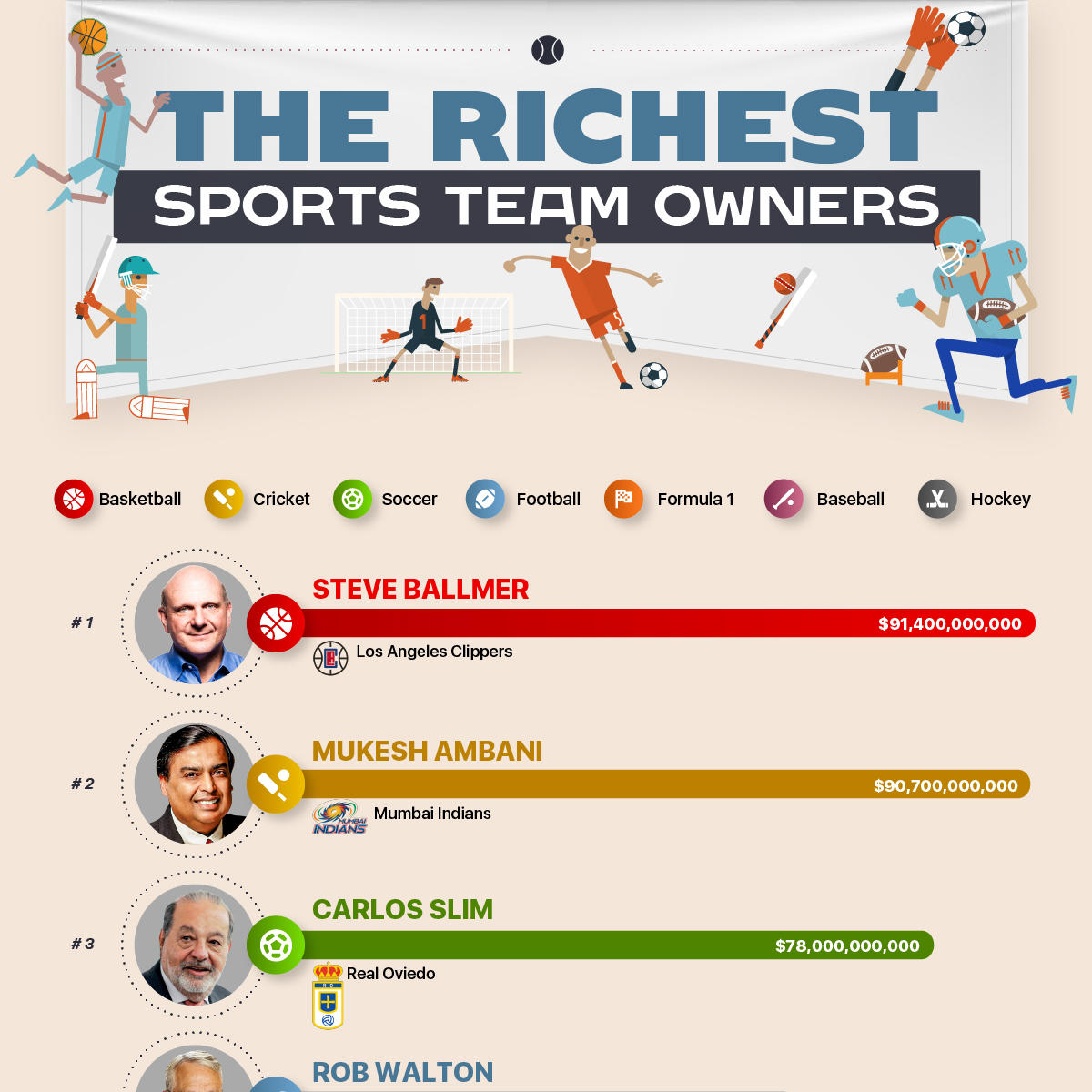
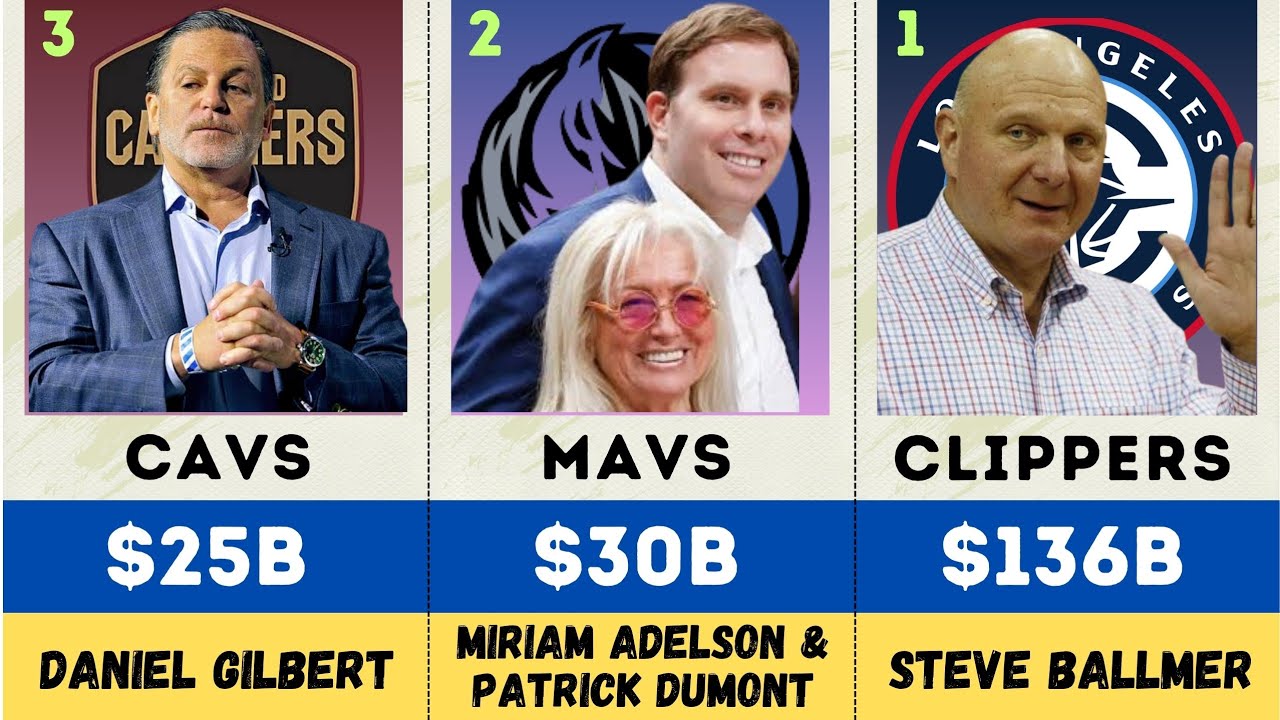
At the apex of sports ownership sits Steve Ballmer. As the former CEO of Microsoft, Ballmer’s fortune is heavily tied to technology and cloud computing stocks. When he purchased the Los Angeles Clippers in 2014 for $2 billion—a price that shocked observers at the time—critics wondered if he overpaid. Today, that purchase looks like a bargain. Ballmer’s net worth regularly eclipses $100 billion, making him not just the richest owner in the NBA, but one of the wealthiest individuals on the planet. His ability to self-fund the state-of-the-art Intuit Dome without traditional stadium debt highlights the sheer scale of his financial liquidity.
2. Rob Walton and Family (Denver Nuggets)
Though the Denver Nuggets operation is managed day-to-day by Josh Kroenke, the overarching family wealth stems from Walmart, the retail behemoth co-founded by Sam Walton. Rob Walton’s entry into the sports ownership ecosystem via the Walton-Penner family ownership group brought unprecedented retail capital into the league. With a net worth hovering around $70 billion to $80 billion, the Walton family ensures that the franchise has virtually limitless financial backing to compete for championships.
3. Dan Gilbert (Cleveland Cavaliers)
Video: The Richest NBA Team Owners in 2024 | Mark Cuban, Michael Jordan, Gayle Benson, Jeanie Buss

As the founder of Quicken Loans (now Rocket Companies), Dan Gilbert built an empire on online mortgage lending. Despite facing health battles and the natural volatility of the housing market, Gilbert’s net worth remains in the multi-billion-dollar range. His willingness to consistently push past the luxury tax threshold to keep the Cleveland Cavaliers competitive demonstrates how personal fortune directly fuels on-court ambitions.
The New Guard: Private Equity and Global Capital
The profile of the modern NBA owner is shifting. Traditional local industrialists are giving way to global investment funds, sovereign wealth connections, and Silicon Valley venture capitalists. This evolution has redefined how teams are valued and operated.
- Mat Ishbia (Phoenix Suns): A billionaire mortgage executive who purchased the Suns and the WNBA's Phoenix Mercury, Ishbia represents a younger, more aggressive ownership style focused on immediate contention and fan engagement.
- Mark Cuban (Dallas Mavericks - Minority Stake): Though Cuban famously sold a majority stake of the Mavericks to the Adelson family, his decades as the face of Dallas ownership proved how tech-savvy billionaires could modernize league media and referee relations.
- Miriam Adelson and the Adelson Family: Casino and resort wealth has officially entered the chat. The Adelson family's acquisition of the Mavericks majority stake injects massive gaming and hospitality capital into the Western Conference.
How NBA Valuations Defy Economic Gravity
To truly understand why these net worths shock investors, one must look at the rate of appreciation for NBA franchises. Over the last two decades, average team valuations have skyrocketed by over 500%. Several key drivers explain this phenomenon:
1. Media Rights Explosions: Domestic and international television contracts bring in billions of dollars annually, which are shared directly among ownership groups.
2. Global Expansion: The NBA is arguably the most globally integrated American sports league, unlocking massive merchandise and streaming markets in Asia, Europe, and Africa.
3. Scarcity Value: With only 30 franchises in existence, owning an NBA team is the ultimate status symbol for the global elite. When a team does come up for sale, the bidding war invariably drives the price to historic highs.
Conclusion: The Future of Basketball Wealth
The financial landscape of professional basketball has evolved beyond simple sports entertainment into a high-stakes arena of global commerce. As franchise valuations continue to climb past the multi-billion-dollar mark, the barrier to entry for prospective owners becomes higher by the year. The billionaires who currently control these teams are not just sports fans; they are astute business magnates leveraging the ultimate platform for brand building and capital growth. As long as the global appetite for basketball remains insatiable, these staggering fortunes will only continue to expand.