NC's Future of Justice: Court Calendar Trends
Navigating North Carolina's Evolving Legal Landscape

North Carolina’s judicial system stands at a critical crossroads. As population growth accelerates in metropolitan hubs like Charlotte, Raleigh, and the Triangle, court dockets face unprecedented pressure. Understanding **NC's future of justice: an in-depth look at the shaping factors in the court calendar** is essential for legal professionals, policymakers, and citizens alike. The traditional ways of scheduling trials, managing discovery, and processing minor offenses are no longer sufficient to meet the demands of a modern, fast-growing state.
Efforts to modernize the state's courts are multifaceted. They involve integrating advanced data analytics, rethinking legislative mandates, and addressing persistent administrative bottlenecks. Below, we examine the primary forces reshaping how cases move through North Carolina courtrooms and what these changes mean for the future of jurisprudence in the Tar Heel State.
Key Drivers Transforming NC's Future of Justice
Several distinct pressures are forcing North Carolina court officials to rethink scheduling and case management. From technological adoption to systemic staffing challenges, these factors dictate how quickly and fairly justice can be served.
Technological Integration and E-Courts Expansion
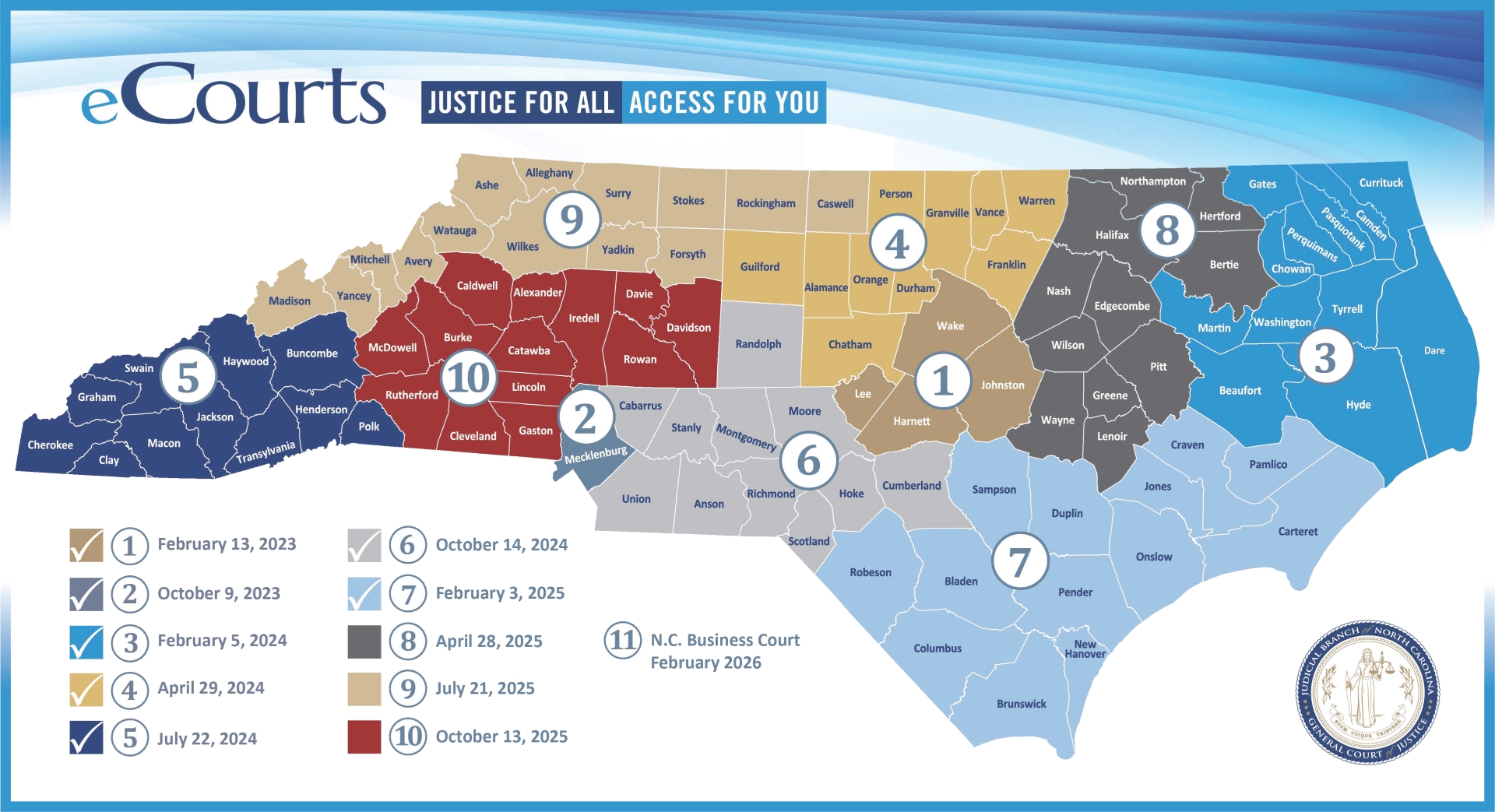
Perhaps the most visible transformation in North Carolina’s judicial branch is the rollout of the Integrated Case Management System (ICMS), widely known as eCourts. Designed to replace paper-driven processes with cloud-based digital workflows, this technology fundamentally changes how court calendars are populated and tracked.
- Real-time scheduling: Attorneys and judges can view docket updates instantly, reducing scheduling conflicts.
- Automated notices: Digital alerts minimize failure-to-appear rates, keeping court calendars moving efficiently.
- Public transparency: Online case access allows citizens to monitor court dates and case statuses remotely.
While the transition has experienced initial growing pains and technical hurdles in early-adoption counties, long-term projections indicate that a fully digitized infrastructure will streamline docket management statewide.
Legislative Mandates and Criminal Justice Reform
Lawmakers in the North Carolina General Assembly continually introduce legislation that impacts court dockets. Recent criminal justice reforms—such as changes to mandatory minimum sentences, expansion of misdemeanor diversion programs, and specialized treatment courts—directly influence how judges allocate trial time.
Video: Understanding Court Calendars in North Carolina

For instance, the rise of business courts, mental health courts, and veterans treatment courts creates specialized tracks for complex or recurring issues. While these specialized dockets require dedicated courtroom hours, they ultimately reduce recidivism and clear long-term clutter from standard criminal calendars.
Demographic Shifts and Regional Disparities
North Carolina’s population growth is highly uneven. While urban counties experience massive influxes of new residents resulting in congested trial dockets, many rural judicial districts face different challenges. Rural counties often struggle with:
- A shortage of practicing defense attorneys and prosecutors.
- Limited funding for support staff and technological upgrades.
- Geographic isolation, making juror summoning and attendance more complex.
Addressing these regional disparities is vital for maintaining a balanced state judicial system. Future resource allocation will likely focus on sending roving judges and mobile technological units to high-need rural districts.
Administrative Strategies for Clearer Dockets
To prevent chronic backlogs, court administrators are adopting proactive scheduling philosophies. Traditional block scheduling—where dozens of cases are assigned the exact same morning call time—is being phased out in favor of staggered scheduling. This minimizes wait times for witnesses, victims, and law enforcement officers, allowing police officers to return to active patrols more quickly.
Furthermore, increased utilization of pre-trial conferences helps prosecutors and defense counsel resolve evidentiary disputes long before a trial date is set. By filtering out cases that can be settled through plea agreements or administrative dismissals, judges can reserve precious courtroom hours for contested trials.
The Road Ahead for North Carolina Courts
The path forward requires continuous collaboration between the North Carolina Administrative Office of the Courts (NCAOC), the state bar, local law enforcement, and legislative leaders. As artificial intelligence and predictive data analytics mature, court administrators may soon leverage predictive tools to estimate trial lengths more accurately, virtually eliminating double-booking and wasted courtroom hours.
Ultimately, a predictable, efficient, and transparent court calendar is the backbone of public trust in the legal system. By embracing digital modernization, addressing regional funding gaps, and refining administrative workflows, North Carolina is laying the groundwork for a more accessible and resilient judicial future.