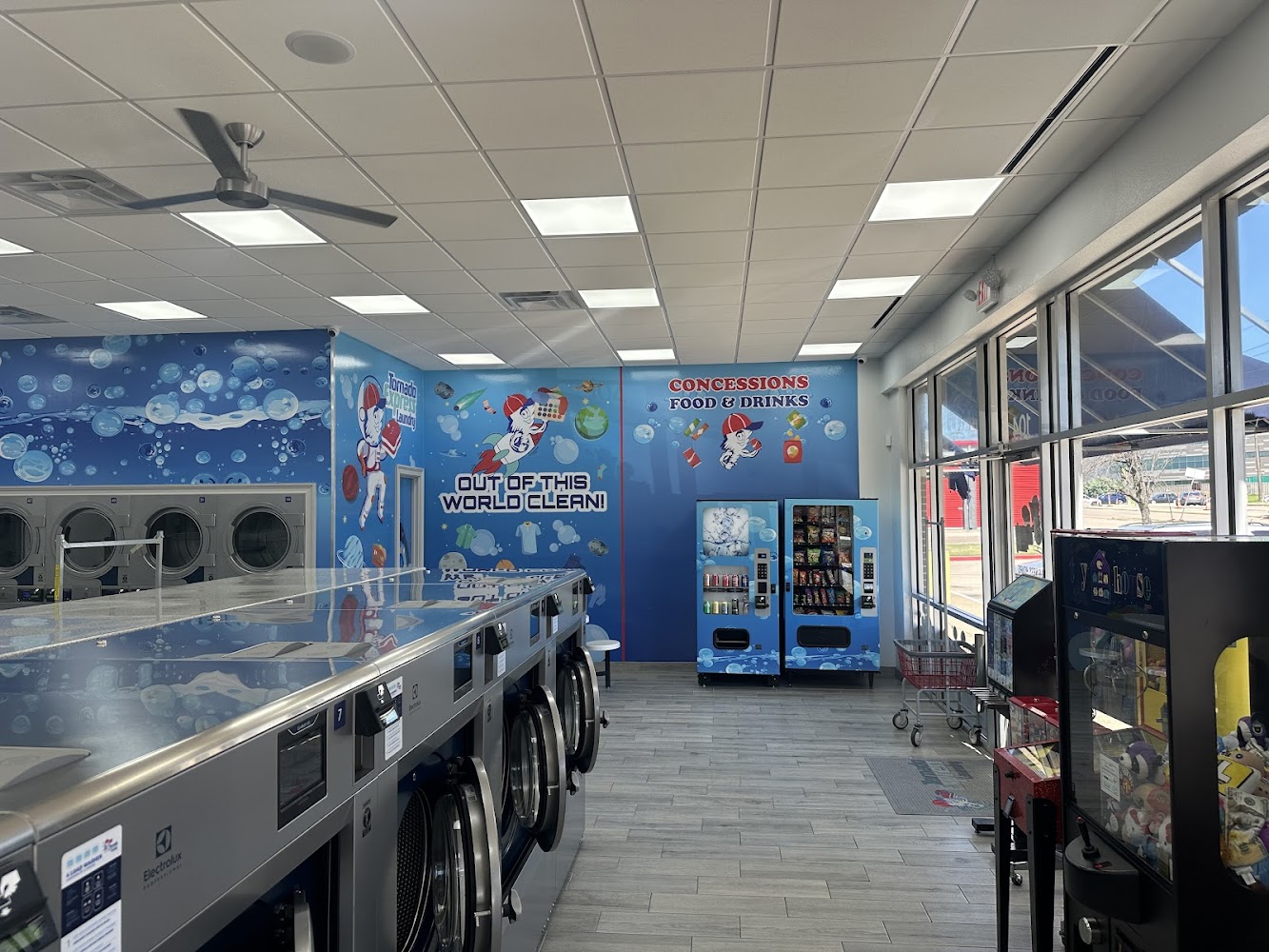
Nearest Coin Laundry Near Me: Fast Guide
When your home washer breaks down, bulky bedding needs oversized drums, or you are traveling through a new city, your first impulse is usually searching for the nearest coin laundry near me. Finding a clean, functional laundromat quickly can salvage your weekend, but simply picking the closest pin on a digital map does not always guarantee a smooth experience. Laundromats vary drastically in equipment quality, cleanliness, payment methods, and safety.

To help you get your clothes clean and folded without unnecessary delays or lost change, here is everything you need to know about locating, vetting, and navigating your local self-service laundry facility.
How to Find the Best Nearest Coin Laundry Near Me
Pulling up your preferred map app is the standard starting point, but a few quick filtering strategies will help you separate well-run locations from neglected ones before you load your car.
- Check Recent Reviews and Photos: Look for user-submitted photos taken within the last six months. Pay special attention to mentions of machine cleanliness, whether the coin exchange machines work reliably, and if an attendant is on-site.
- Filter by Operating Hours: If you work non-traditional hours, verify whether the location is open 24 hours or if doors lock early. Keep in mind that many self-service laundries have a "last wash" policy, typically requiring you to start your final cycle 60 to 90 minutes before closing.
- Assess Parking and Accessibility: Hauling multiple hampers across a busy street or up steep stairs is frustrating. Look for laundromats with dedicated parking right in front of the entrance to make loading and unloading manageable.
- Confirm On-Site Attendants: Attended facilities are consistently cleaner, safer, and faster at handling jammed coin slots or broken belts. If an issue arises mid-cycle, having staff present saves you from losing money.
What to Prepare Before You Leave Home
Preparation is the difference between a brisk 75-minute errand and a frustrating, multi-hour ordeal. Taking ten minutes to organize before leaving makes the trip substantially more efficient.
1. Pre-Sort Your Loads
Never sort your garments on the floor or folding counters of the laundromat. Sort whites, darks, delicates, and heavy towels into separate hampers or labeled bags at home. This allows you to immediately claim available machines and load them the second you walk through the door.
2. Bring Cash and Quarters
While modern facilities increasingly use smart card systems or mobile payment apps, traditional coin-operated machines still dominate the landscape. Bring crisp five-, ten-, or twenty-dollar bills to feed into the facility's change machine. Avoid relying on the premise that an ATM or change dispenser will always be operational; stopping by a bank or convenience store beforehand guarantees you have sufficient quarters.
3. Pack High-Efficiency (HE) Detergent
Commercial front-loading washers run on low water levels and require High-Efficiency (HE) liquid or pod detergents. Regular high-suds powders can cause machines to stall or leave a chalky film on your garments. If using laundry pods, remember to place them directly inside the drum before adding your clothes, not in the soap dispenser tray.
Understanding Commercial Washer and Dryer Sizes
Video: Coin Laundry Mat / Closest Laundromat Near Me w/ Rolling Basket Cart + Wash | HD Stock Video Footage
One of the primary benefits of using a commercial laundromat is access to heavy-duty equipment capable of handling massive loads in a single pass.

Commercial washers are measured by weight capacity rather than cubic feet:
- Single/Double Load (20–30 lbs): Best for normal daily wear, small mixed loads, or twin-sized sheets.
- Triple Load (30–40 lbs): Ideal for heavy jeans, multiple bath towels, or queen-sized comforters.
- Maxi/Mega Load (60–80 lbs): Designed for king-sized down comforters, bulky winter coats, or multiple days' worth of family laundry washed in one go.
Never pack a drum completely tight. Clothes need room to tumble and circulate through soapy water to get clean. A reliable rule of thumb is leaving at least four to five inches of clear space between the top of your laundry pile and the top of the wash drum.
Typical Costs and Budgeting
Pricing varies by region, facility amenities, and machine size, but commercial laundry follows predictable baseline rates.
A standard 20-pound washer typically costs between $2.50 and $4.50 per cycle. Larger triple-load and mega-load washers range anywhere from $6.00 to $12.00 or more per cycle. Most wash cycles run between 25 and 35 minutes.
Dryers are usually priced by time intervals. Most commercial gas dryers charge $0.25 to $0.50 for every 5 to 8 minutes of tumble time. A standard medium-weight load generally requires roughly 30 to 45 minutes to dry completely, costing an average of $1.50 to $2.50. High-efficiency gas dryers produce significantly higher heat than residential electric units, so start with moderate heat settings to avoid shrinking cotton fabrics.
Laundromat Etiquette: The Unwritten Rules
Sharing a small utility space with other patrons runs smoothly when everyone adheres to basic community etiquette.
- Set a Phone Timer: Always set an alarm on your phone for two minutes before your wash or dry cycle ends. Leaving wet clothes sitting in a finished machine prevents others from using it. If a facility is crowded and you are not there when the cycle stops, other patrons have the right to move your clothes into a cart.
- Check Drums Before and After: Always inspect the drum interior before loading your clothes to ensure the previous user did not leave behind a stray red sock, bleach residue, or melted crayons. Similarly, wipe down the rubber door gaskets and check the bottom of the drum when retrieving your laundry.
- Clear the Lint Screen: Before starting any dryer, slide out the lint trap and clear it. This increases airflow, dries your clothing faster, saves money, and reduces fire risks. Clean it again once your drying cycle concludes.
- Keep Folding Tables Open: Folding tables are shared staging areas, not storage benches. Once you finish folding a basket, pack it up and clear the surface so the next patron waiting with hot clothes can use the space.
Handling Equipment Errors and Lost Money
Occasionally, an automated machine may swallow your coins or stop mid-cycle due to an unbalanced load. If the location is staffed, alert the attendant immediately so they can unlock the door or issue a refund voucher.
If the location is unstaffed, look for a posted management board near the office or coin changers. Reputable operators list a direct customer service phone number and keep a collection of refund request envelopes on site. Note down the machine number, the time of the issue, and the amount lost so the owner can process a digital reimbursement or mail a refund check.
Final Takeaway
Finding a quality self-service laundry does not have to be stressful. By vetting local listings for cleanliness, bringing pre-sorted loads with your own HE detergent, and carrying ample quarters, you can turn laundry day into a quick, predictable routine that gets your wardrobe clean, fresh, and ready to wear.