Net Worth Growth Boom: How to Make Your 401(k) Work for You!
Unlocking the Wealth-Building Power of Your Retirement Account

Most employees view their workplace retirement plan as a simple payroll deduction—money that vanishes into the financial ether every two weeks to reappear decades later. However, treating your retirement account as a passive savings vehicle is a costly mistake. If you want to experience a true net worth growth boom: how to make your 401(k) work for you! is the essential financial puzzle you need to solve.
Your 401(k) is not just a tax-shelter; it is the cornerstone of modern personal wealth. By shifting from a passive contributor to an active optimizer, you can harness the compounding power of the stock market, slash your annual tax liabilities, and dramatically accelerate your journey toward financial independence. This guide explores the exact mechanisms you can use to turn your standard workplace plan into a high-powered wealth-generation machine.
Capture the Full Employer Match Immediately
The absolute foundational rule of 401(k) optimization is simple: never leave free money on the table. If your employer offers a matching contribution, failing to contribute enough to capture the maximum amount is the financial equivalent of turning down a guaranteed raise.
Calculating Your ROI on Company Matches
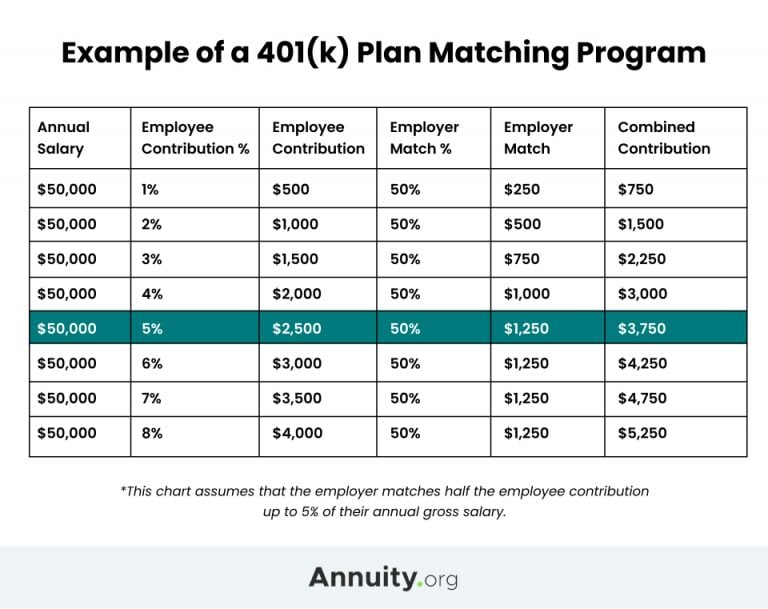
Consider a standard employer match of 100% on the first 3% of your salary, and 50% on the next 2%. If you contribute 5% of your $80,000 salary ($4,000), your employer kicks in an additional $3,200. That is an immediate, risk-free 80% return on your investment the moment the funds hit your account. No stock picker, real estate mogul, or cryptocurrency trader can guarantee a return like that. Maxing out this match is step one in sparking your net worth growth boom.
Automate Your Escalation for Effortless Net Worth Growth
Behavioral finance shows that people struggle with voluntary savings increases because of present bias—we prefer spending today over saving for tomorrow. Fortunately, most modern retirement plans feature an automatic escalation tool that solves this psychological hurdle.
Setting Up Auto-Escalation
Instead of manually remembering to up your contribution every year, configure your HR portal to automatically increase your contribution rate by 1% every January. Because the increase happens behind the scenes before the money ever hits your checking account, you won't feel the pinch in your day-to-day lifestyle. Over a decade, gradually stepping up your contribution from 5% to 15% or 20% will compound dramatically without requiring constant budgetary sacrifice.
Video: Video 6: Make the most of your 401(k)!
Select Low-Fee Index Funds Over Managed Options
Fees are the silent killers of long-term investment returns. Many employer-sponsored plans are laden with actively managed mutual funds that charge expense ratios exceeding 1% annually. While that might sound small, a 1% fee can siphon off tens or even hundreds of thousands of dollars over a 30-year investing horizon.
- Vanguard or Fidelity Index Funds: Look for broad-market index funds tracking the S&P 500 or total stock market. These often feature expense ratios under 0.05%.
- Target-Date Funds: Excellent for hands-off investors, though you should check the underlying expense ratios to ensure you aren't paying high fees for the convenience.
- Avoid High-Fee Options: Actively managed funds rarely outperform simple index funds over long periods after accounting for their higher fees.
Leverage Tax Advantage Strategies
The government designed retirement accounts to encourage long-term savings by offering powerful tax incentives. Understanding how to leverage these incentives will keep more money in your portfolio where it can continue compounding.
Traditional vs. Roth 401(k)s
Choosing between a Traditional and Roth 401(k) depends entirely on your current tax bracket versus your expected tax bracket in retirement.
- Traditional 401(k): Contributions are made with pre-tax dollars, lowering your adjusted gross income (AGI) today. This is ideal if you are in a high tax bracket now and expect to be in a lower bracket during retirement.
- Roth 401(k): Contributions are made with after-tax dollars, allowing your investments to grow and be withdrawn completely tax-free. This is a powerful tool for younger workers or anyone who expects tax rates to rise in the future.
Maximize Beyond the Match: The Push to the IRS Limit
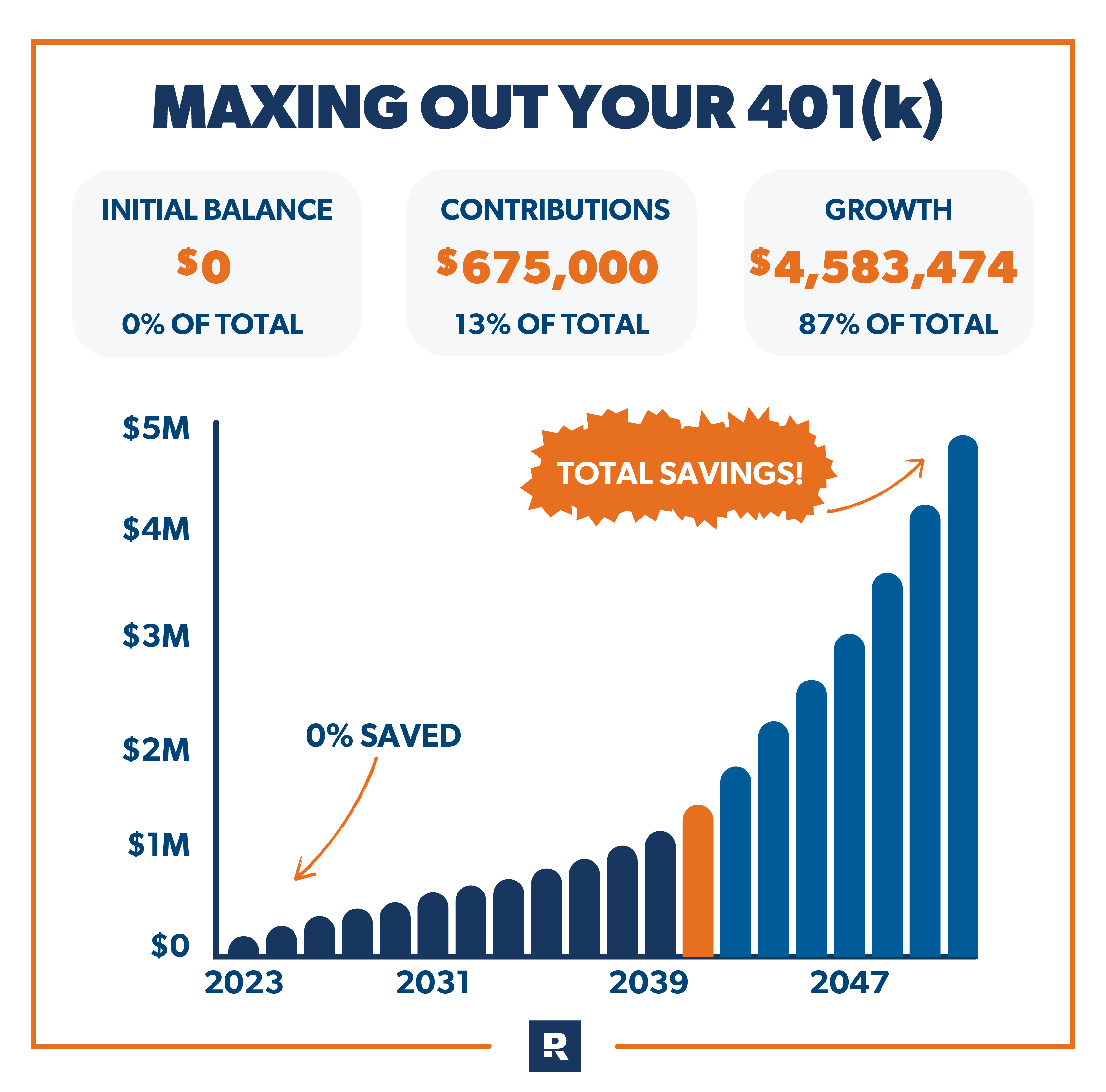
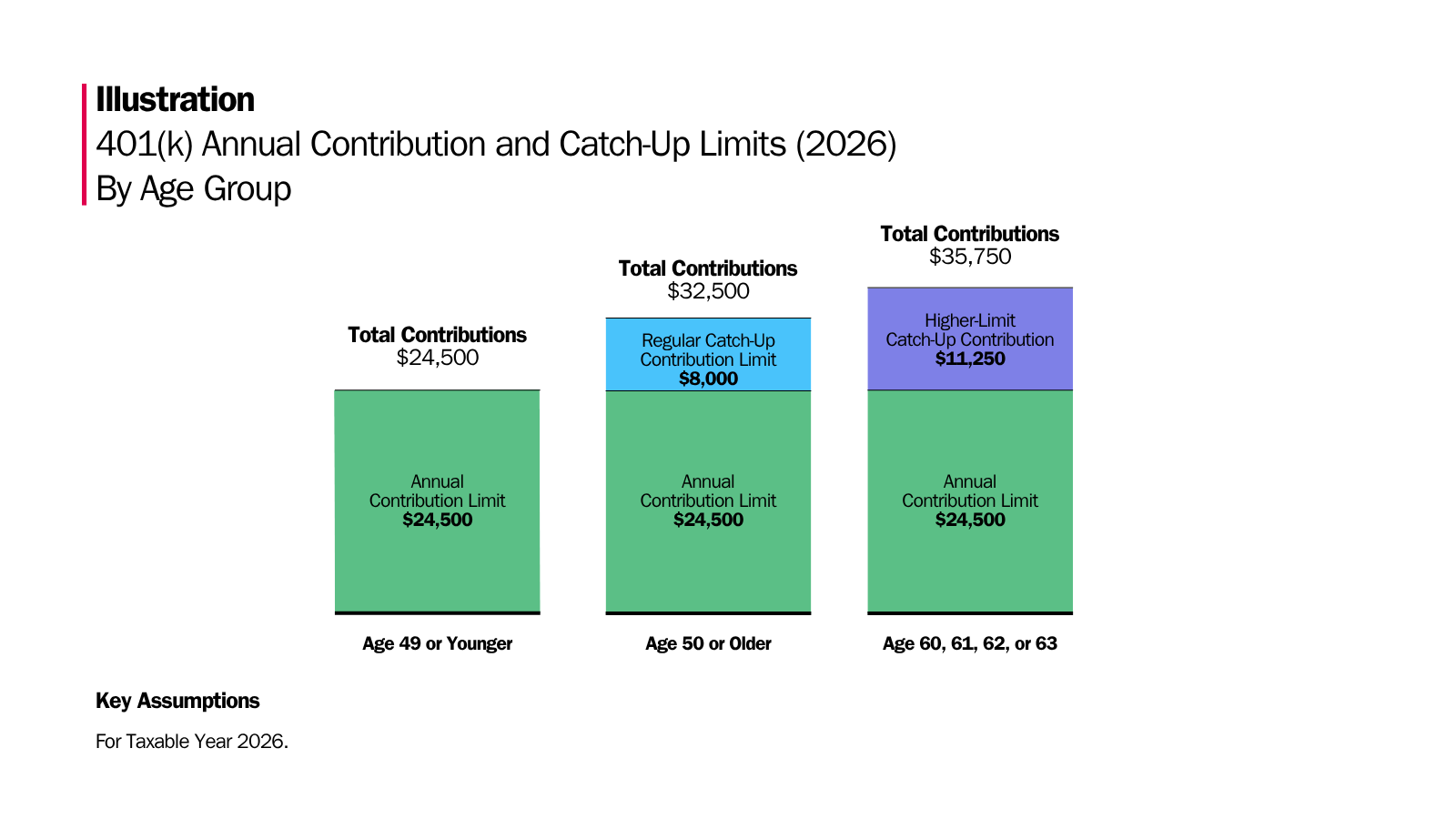
Once you have secured your employer match, do not stop there. The IRS allows generous annual contribution limits for workplace retirement plans. For 2024, individuals can contribute up to $23,000, with an additional $7,500 catch-up contribution allowed for workers aged 50 and older.
Reaching this maximum contribution requires deliberate budgeting and disciplined cash flow management, but the rewards are transformative. Maxing out your account lowers your taxable income, shields your investments from capital gains taxes, and accelerates your path to a seven-figure net worth.
Conclusion: Take Control of Your Financial Future
Building meaningful wealth is rarely the result of a single lucky stock pick or a sudden windfall. Instead, it is the cumulative effect of consistent, automated, smart financial habits. By capturing your full employer match, minimizing investment fees, utilizing tax-advantaged structures, and steadily increasing your contribution rates, you can engineer a powerful net worth growth boom that completely transforms your financial security. Log into your account today, review your allocations, and make your money work as hard as you do.