Neuter Clinic Milwaukee: Low-Cost Spay & Neuter Guide
Finding an affordable and reliable neuter clinic in Milwaukee is one of the most important responsibilities of pet ownership. Whether you recently adopted a rambunctious puppy, took in a stray kitten, or simply want to ensure your adult companion lives a long, healthy life, spaying and neutering offers undeniable medical and behavioral benefits. Fortunately, the Milwaukee area hosts several dedicated non-profit organizations, high-volume spay/neuter clinics, and full-service veterinary hospitals committed to keeping pet surgeries accessible and safe.
Why Spay and Neuter Your Pet?
Beyond helping control the local pet overpopulation crisis in Milwaukee County, altering your pet provides significant health and temperament advantages. For male dogs and cats, neutering removes the testicles, which entirely eliminates the risk of testicular cancer and drastically reduces the incidence of prostate problems.
Behaviorally, neutered pets are typically much calmer. They are far less likely to roam away from home in search of a mate, which lowers their risk of getting lost, injured in traffic, or getting into fights with other animals. Neutering also helps curb undesirable marking behaviors, such as urine spraying in male cats.
Top Options for a Neuter Clinic in Milwaukee
Milwaukee features a robust network of animal welfare organizations and veterinary clinics that specialize in high-quality, affordable surgeries. Here are the primary resources available to local pet parents:
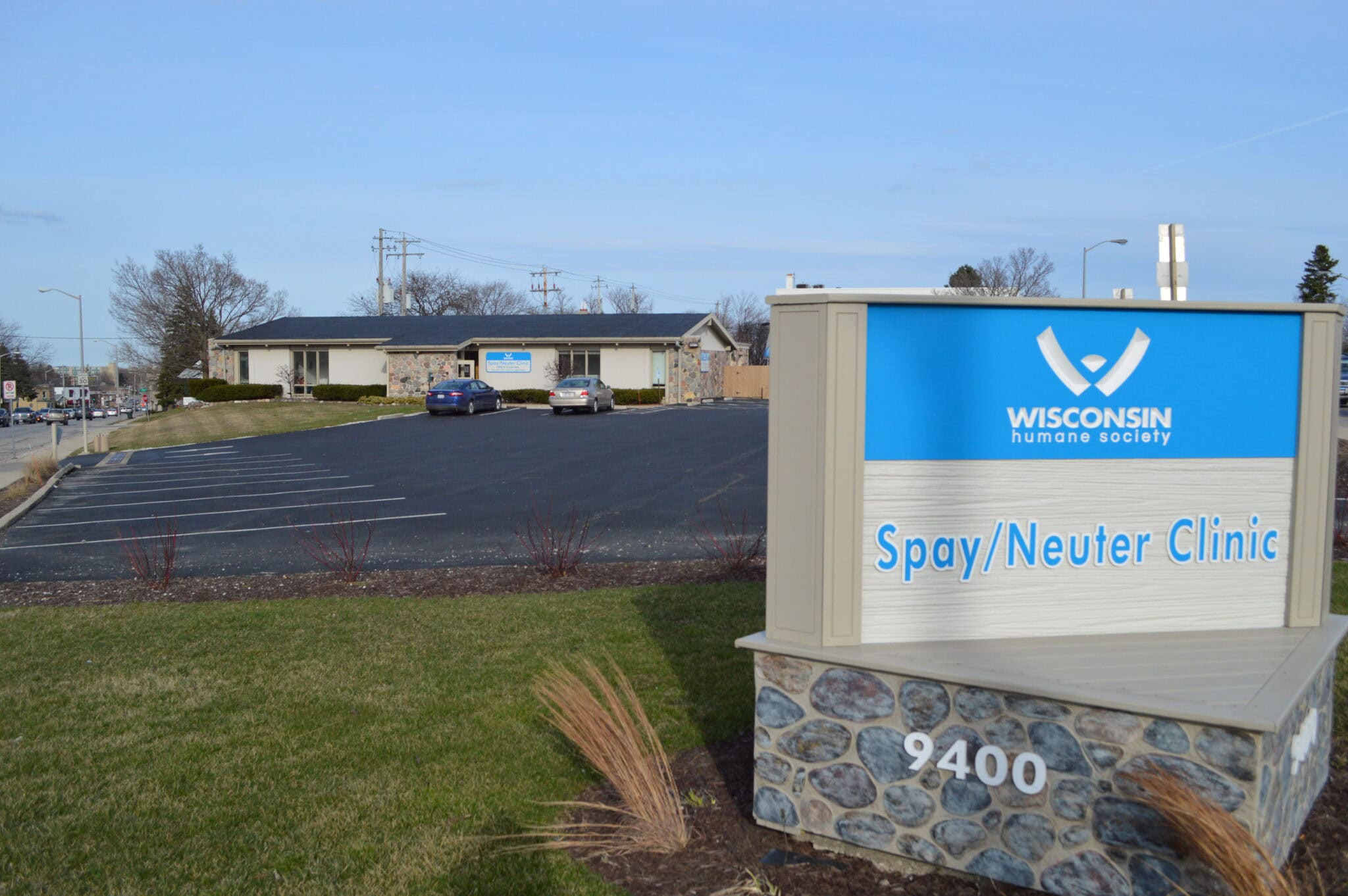
1. Wisconsin Humane Society (WHS) Spay/Neuter Clinic
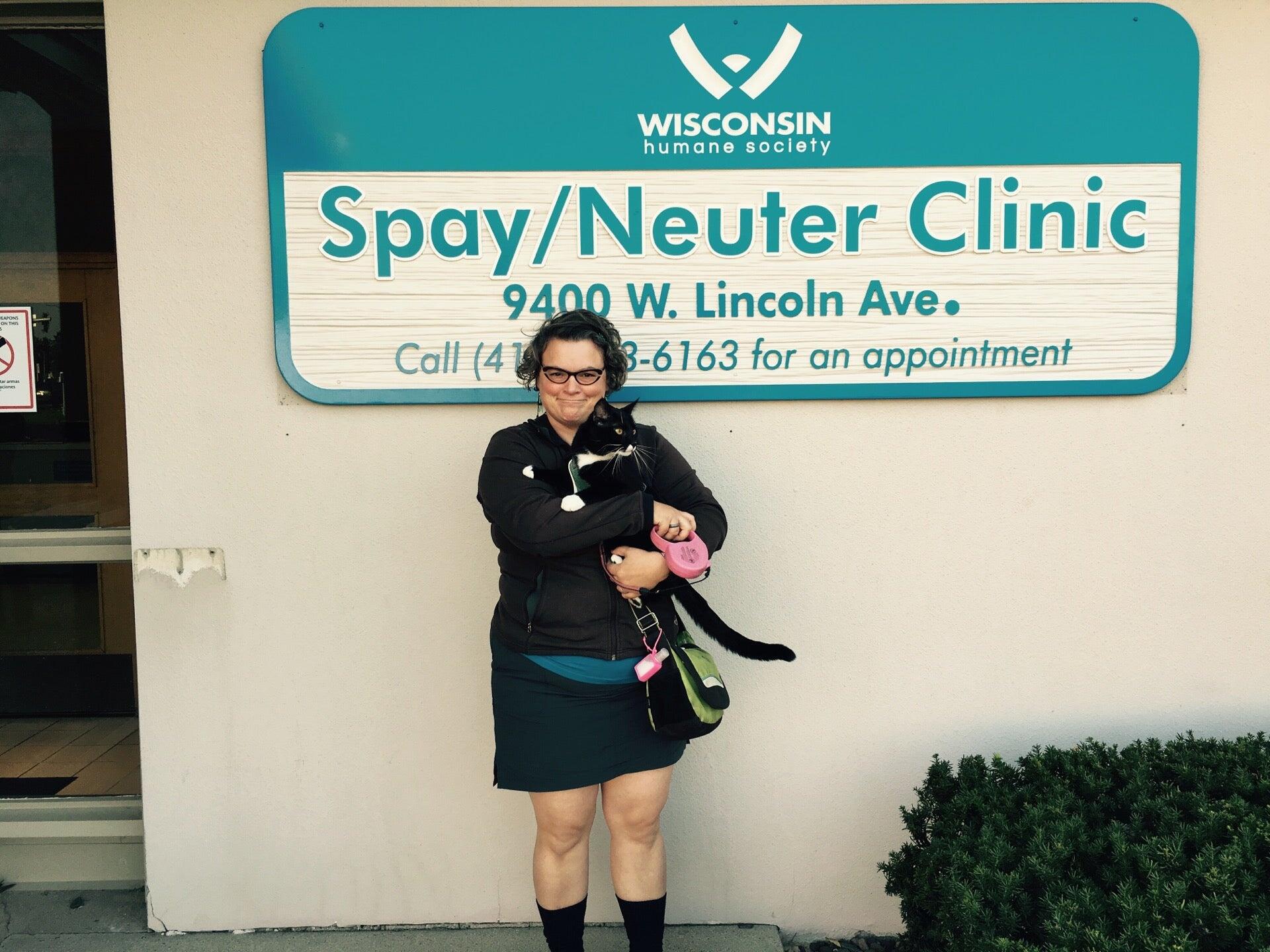
The Wisconsin Humane Society operates a high-volume clinic that serves the greater Milwaukee area. As one of the most trusted animal welfare organizations in the state, WHS provides safe, low-cost surgeries for both cats and dogs. Because demand is consistently high, appointments typically need to be booked weeks in advance. They also periodically offer special community outreach programs or targeted grants that lower the cost even further for qualifying low-income residents.
2. MADACC (Milwaukee Area Domestic Animal Control Commission) Resources
While MADACC functions primarily as Milwaukee County's municipal animal control facility, they strongly advocate for spaying and neutering. When you adopt a pet from MADACC, sterilization is already included in the adoption fee. For the general public, their team can direct community members toward current low-cost voucher programs, mobile wellness initiatives, and regional partner clinics.
3. Local Full-Service Veterinary Hospitals
If you prefer a more personalized, one-on-one relationship with a primary care veterinarian, traditional private practices throughout Milwaukee County offer routine neuter surgeries. While these practices generally cost more than non-profit high-volume clinics, they often provide comprehensive pre-anesthetic bloodwork, individualized pain management plans, and tailored post-operative follow-up care.
What to Expect on Surgery Day

Preparing for your pet's neuter procedure can feel a bit nerve-wracking, but knowing what happens behind the scenes helps ease the anxiety. Most clinics follow a standardized routine for outpatient procedures.
- Intake and Check-in: You will arrive early in the morning to fill out paperwork, verify your contact information, and confirm the procedure with a veterinary technician.
- Pre-Anesthetic Examination: A veterinarian will perform a brief physical exam to ensure your pet is healthy enough for anesthesia that day.
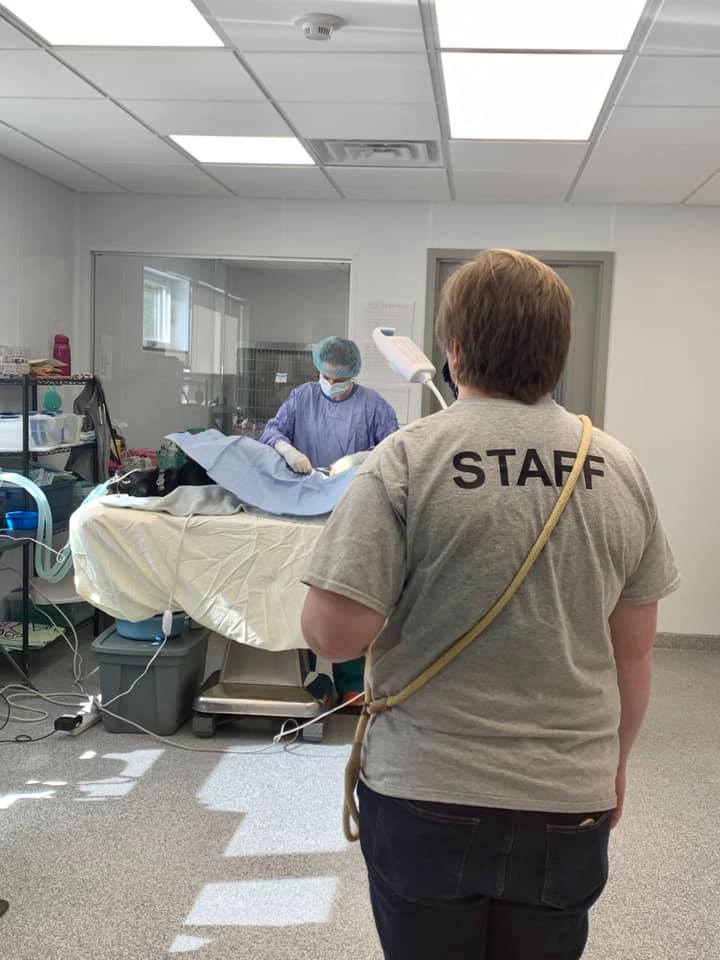
- The Procedure: Under general anesthesia, the veterinarian removes the testicles. The surgical site is typically closed with dissolvable sutures beneath the skin and surgical glue on top.
- Recovery: Pets wake up in a monitored recovery area, where veterinary staff watch their vital signs until they are stable and alert.
Preparing Your Pet at Home
Proper preparation ensures the surgery goes smoothly and minimizes anesthetic risks. Follow these standard guidelines provided by most Milwaukee clinics:
- Fast Your Pet: For adult dogs and cats, withhold food starting around midnight the night before surgery. Water is usually allowed until the morning of the procedure, but check specific clinic instructions. Puppies and kittens under four months old often have different fasting rules due to their metabolic needs.
- Keep Them Indoors: Ensure your pet stays inside the night before surgery so they don't wander off, get dirty, or eat something they shouldn't.
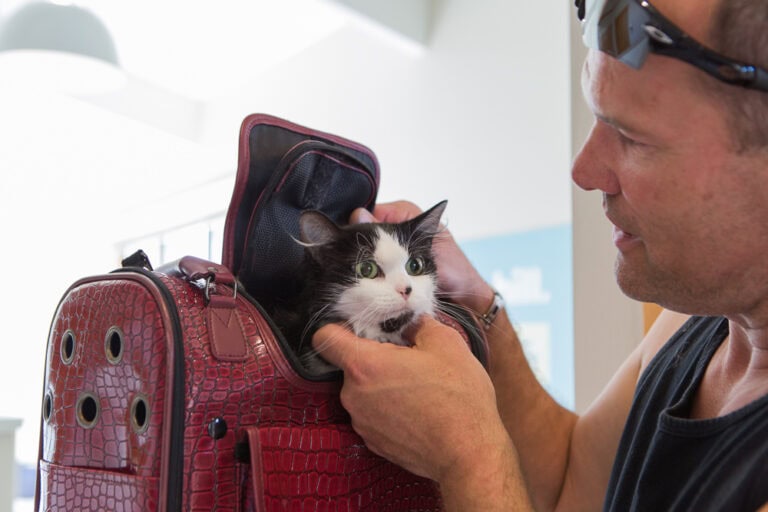
- Arrange Transport: Use a secure, well-ventilated carrier for cats. For dogs, use a properly fitted collar or harness and a sturdy leash.
Post-Operative Care and Recovery
Most pets bounce back remarkably fast after a neuter procedure, often acting completely normal within 24 to 48 hours. However, internal healing takes longer, and human supervision is critical.
Rest and Restriction
The hardest part of post-op care is keeping active pets quiet. For 7 to 10 days following surgery, you must strictly prohibit running, jumping on and off furniture, rough play, and swimming. High energy can cause the internal incisions to swell or open up, leading to complications.
Monitor the Incision Site
Check the surgical site twice daily. A small amount of initial bruising or faint redness can be normal, but contact your clinic immediately if you notice continuous bleeding, severe swelling, foul-smelling discharge, or if the incision appears to be gaping open.
Prevent Licking
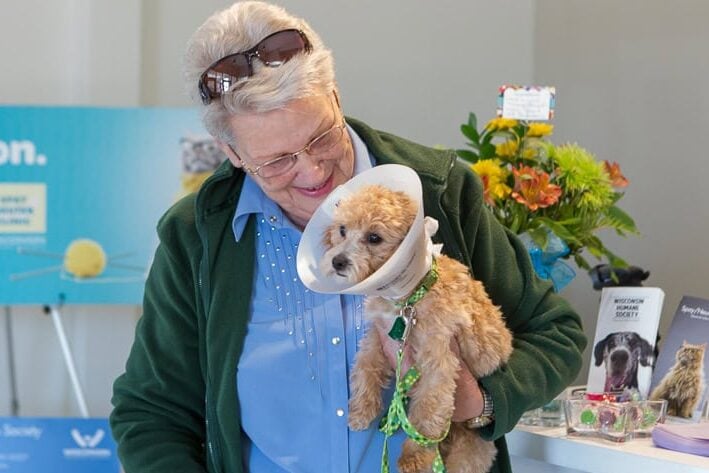
Pets have a natural instinct to lick surgical wounds, which introduces bacteria and can cause an infection. Utilize an Elizabethan collar (cone), a soft recovery suit, or an inflatable donut collar for the entire duration of the healing period. Never remove it unattended, even for a few minutes.
Financial Assistance and Vouchers
If cost is a barrier to getting your pet altered, do not hesitate to ask local Milwaukee organizations about financial assistance. Grants, donor-funded voucher programs, and seasonal low-cost campaigns frequently pop up across Milwaukee County. Reach out directly to the Wisconsin Humane Society or local municipal groups to inquire about current discount programs designed to make pet healthcare affordable for every family.