Nevada Highway Patrol Incidents: Are They Getting Worse?
When driving through the Silver State—whether commuting down the I-15 in Las Vegas, cruising past Reno on I-80, or navigating remote stretches of US-95—drivers often wonder about road safety. Public concern grows every time a major crash makes the news, leading many residents and visitors to ask: are Nevada Highway Patrol incidents actually getting worse?

Understanding the state of traffic safety requires looking past anecdotal impressions and examining official data, enforcement challenges, and changing driving behaviors. While Nevada has invested heavily in public awareness and technological enforcement, troopers continue to battle persistent issues on major corridors and rural highways alike.
Analyzing Nevada Highway Patrol Incidents and Trends
To determine if highway incidents are worsening, safety analysts look closely at annual crash statistics, fatalities, and citation data provided by the Nevada Department of Public Safety and the Nevada Highway Patrol (NHP). Over the past several years, the state has experienced fluctuations in traffic volume alongside concerning trends in severe and fatal collisions.
Following the post-pandemic rebound in vehicle miles traveled, traffic incidents initially spiked as drivers returned to the roads with aggressive driving habits. While some years show minor plateaus in total property-damage crashes, serious injury collisions and fatalities remain a stubborn challenge for state troopers.
Key Factors Driving Highway Incidents
Troopers responding to collisions across Nevada consistently point to a few primary behavioral causes behind the most dangerous incidents. Addressing these root causes remains the central mission of highway patrol enforcement divisions:
- Excessive Speeding: Open desert highways and congested urban freeways alike see chronic speeding. High speeds exponentially increase stopping distances and the severity of impact during a crash.
- Driving Under the Influence (DUI): Impairment from alcohol and drugs continues to be a leading contributor to fatal crashes, particularly on weekends and holidays in tourist-heavy regions like Clark County and Washoe County.
- Distracted Driving: Smartphone use, texting, and dashboard infotainment systems divert driver attention for critical seconds, resulting in sudden rear-end collisions and lane departures.
- Failure to Wear Seatbelts: A significant percentage of highway fatalities involve occupants who were unbuckled, transforming survivable crashes into tragedies.
Urban vs. Rural Safety Challenges
Nevada presents a unique geographic challenge for law enforcement. The state features dense, fast-paced metropolitan freeways alongside vast, isolated rural stretches with limited cellular service and high speed limits.
The Urban Corridors
Video: Nevada Highway Patrol responds to 4 deadly overnight crashes on Saturday
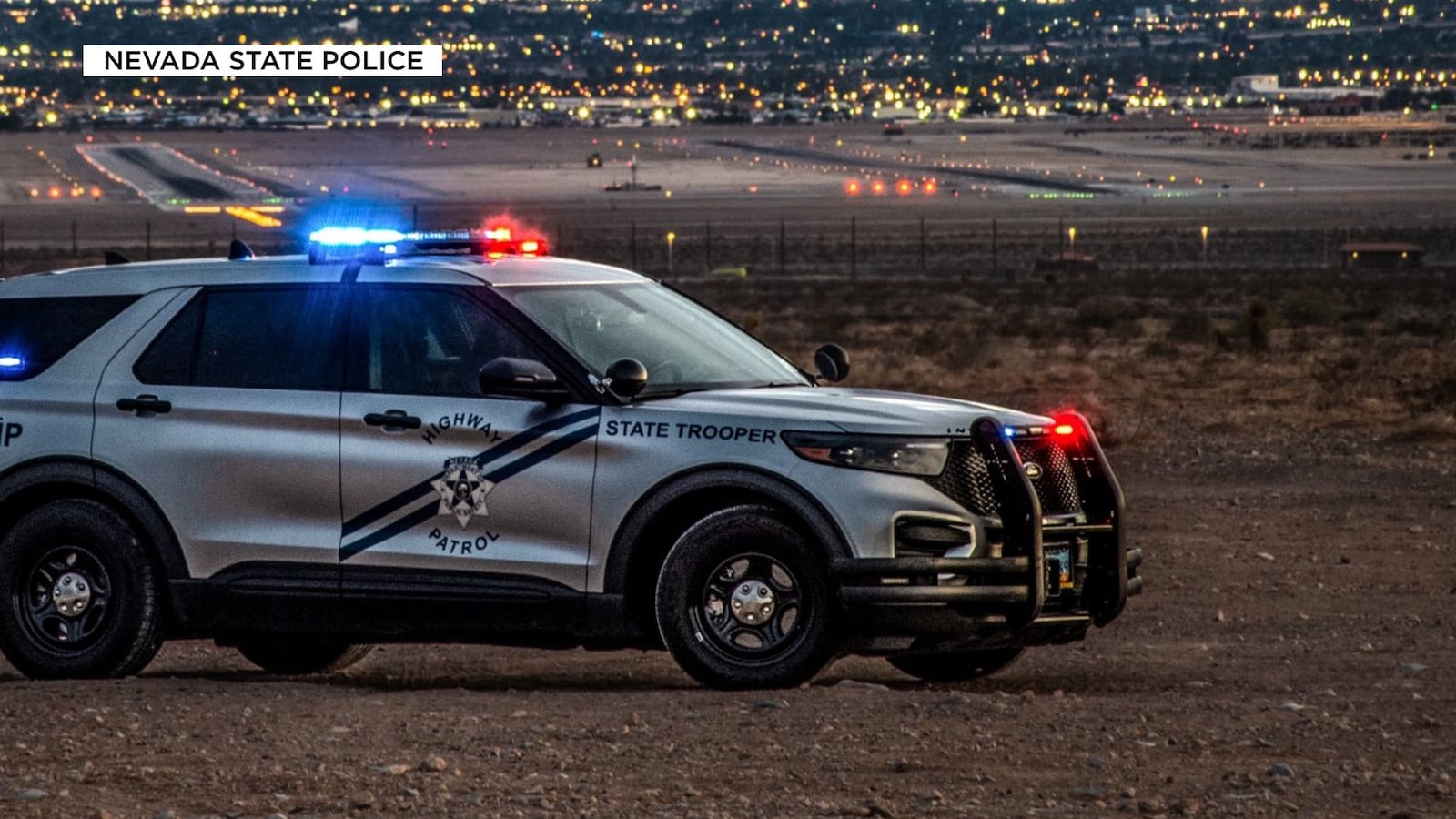
In Southern Nevada, the I-15 corridor connecting Las Vegas to the California border and the surrounding valley freeways experience high volumes of tourist and commuter traffic. Incidents here often involve multi-vehicle pileups, aggressive weaving, and heavy congestion during peak travel hours. Rapid response is critical to clear lanes and prevent secondary crashes, which are a major hazard on busy urban routes.
The Rural Highways
Conversely, rural highways like US-95 and parts of I-80 present entirely different dangers. While overall traffic volume is lower, the severity of incidents on these roads is often much higher. Speeds are typically faster, passing lanes are limited, and emergency medical response times can stretch for hours depending on the remote location. Drowsy driving and wildlife strikes also play a major role in rural highway incidents.
How NHP is Responding
The Nevada Highway Patrol has actively adapted its strategies to combat worsening incident trends. Rather than relying solely on traditional traffic stops, NHP utilizes data-driven enforcement campaigns.
Specialized task forces target specific high-risk behaviors during peak periods. For instance, campaigns like "Vision Zero" and targeted zero-tolerance enforcement blitzes focus heavily on seatbelt compliance, aggressive driving, and impaired operators. Furthermore, increased cooperation with the Nevada Department of Transportation (NDOT) allows for better real-time monitoring, digital warning signage, and faster clearance of roadway incidents.
What Drivers Can Do to Stay Safe
While law enforcement plays a crucial role in maintaining order, individual driver behavior remains the most effective defense against highway incidents. Motorists can protect themselves and others by adopting defensive driving habits:
- Maintain a Safe Following Distance: Leave at least three to four seconds of space between your vehicle and the one ahead, increasing that buffer in bad weather or heavy traffic.
- Put the Phone Away: Keep mobile devices out of reach and utilize hands-free technology only when absolutely necessary.
- Obey Posted Limits: Match your speed to traffic and road conditions rather than just trying to keep pace with the fastest drivers on the road.
- Move Over for Emergency Vehicles: Nevada's "Move Over" law requires drivers to slow down and move over a lane when approaching stopped emergency vehicles, tow trucks, or highway maintenance crews with flashing lights.
Conclusion
Nevada Highway Patrol incidents remain a significant public safety concern, driven largely by persistent human behaviors like speeding, distraction, and impairment. While infrastructure improvements and targeted enforcement help mitigate the risks, the trajectory of highway safety depends heavily on conscious choices made by every motorist behind the wheel. By staying alert, respecting posted limits, and prioritizing sober driving, motorists can help reverse dangerous trends on Nevada's roads.