Nevada Mugshots: Justice or Injustice?
Understanding Nevada Mugshots and Public Access

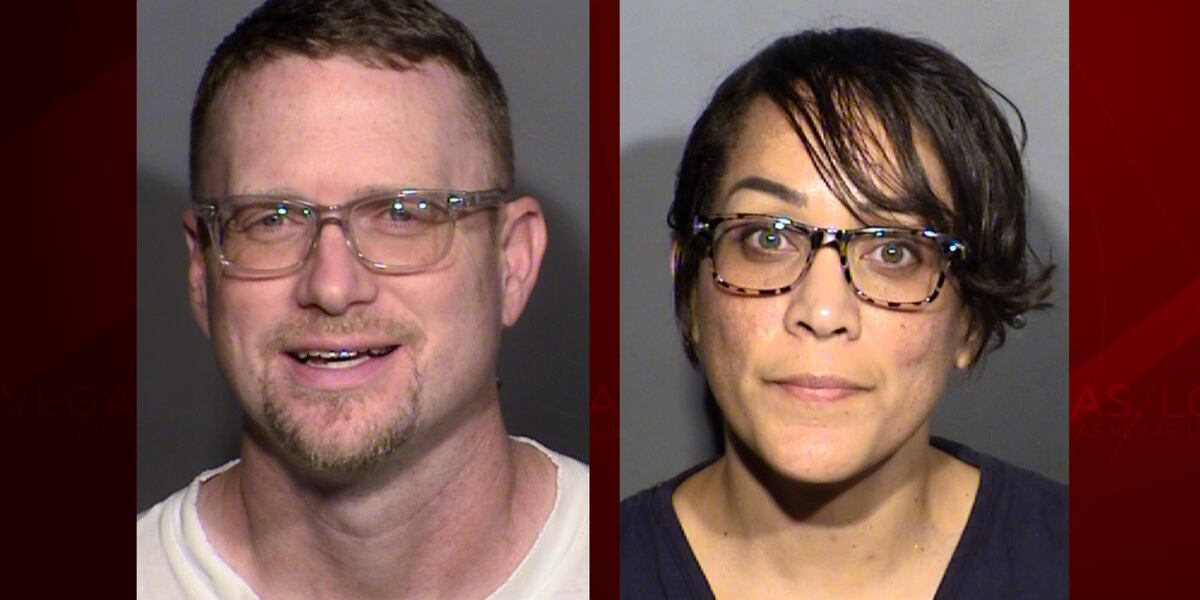
For decades, booking photographs have been a staple of local news and law enforcement transparency. In the Silver State, Nevada mugshots are categorized as public records under the Nevada Public Records Act. This means that media outlets, private websites, and curious citizens can generally access the images of individuals arrested by police departments in Las Vegas, Reno, and surrounding counties.
However, the transition from physical police blotters to high-speed digital databases has fundamentally changed what it means to have an arrest photo published online. Today, a mugshot can travel across the globe in seconds, surfacing on social media feeds and mugshot-publishing websites long before a case ever sees a courtroom. This digital permanence has sparked a fierce debate across Nevada: does open access to arrest photos serve the interests of justice, or does it cause undue injustice to those presumed innocent until proven guilty?
The Legal Landscape of Arrest Photos in Nevada
Public records laws are designed to keep government agencies accountable. By allowing citizens to view police logs and booking photos, the public can monitor how law enforcement agencies operate. Yet, Nevada lawmakers and legal experts have increasingly recognized the unique harms associated with the unvarnished distribution of booking images.
Nevada Assembly Bill 158 and Legislative Reform
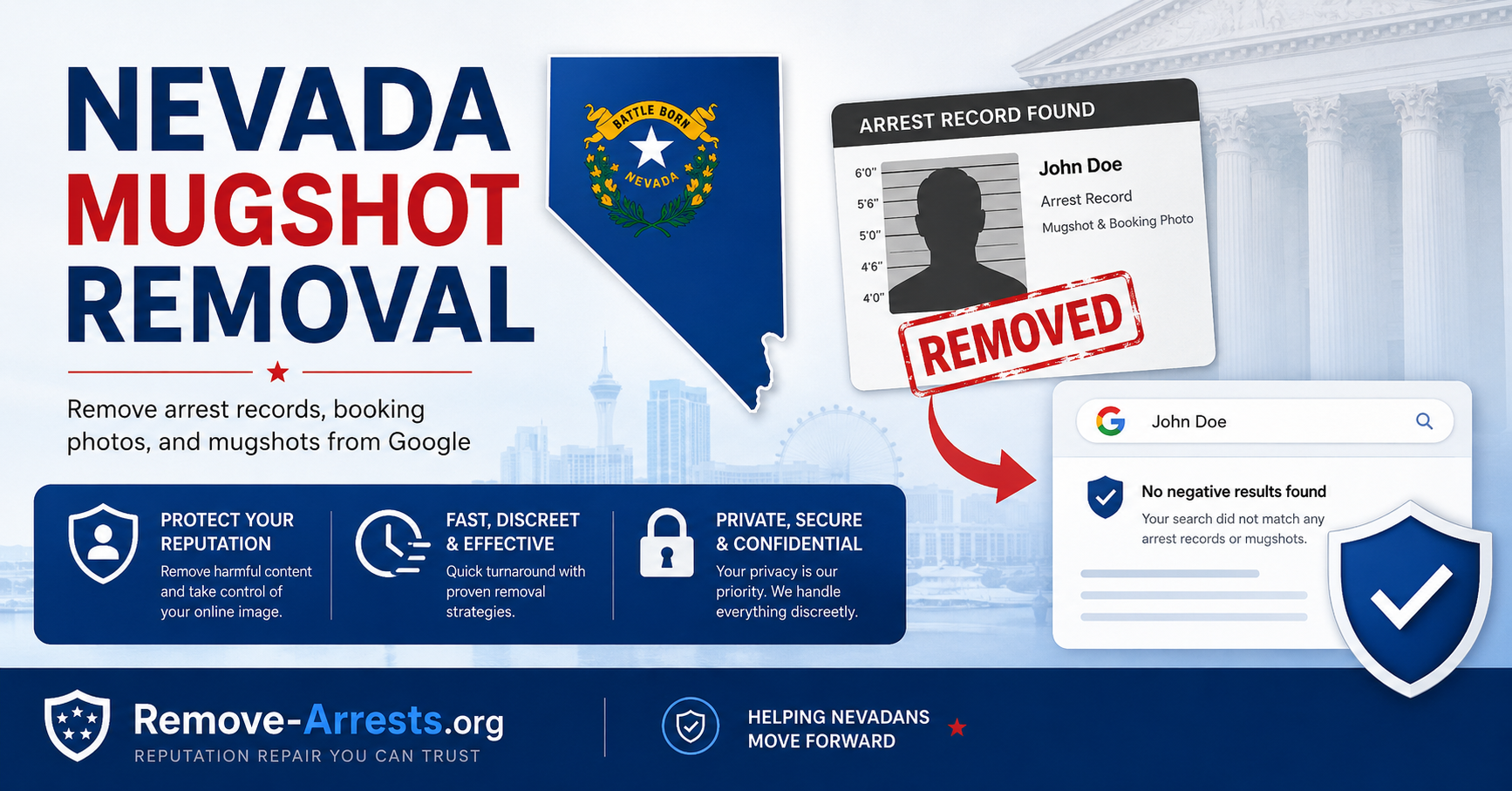
Recognizing the predatory nature of certain third-party websites that charge exorbitant fees to remove booking photos, Nevada lawmakers have taken steps to curb exploitation. Legislation such as Assembly Bill 158 targets operators who profit from publishing booking photos and subsequently extorting subjects for removal fees. These laws aim to protect individuals from digital extortion while preserving legitimate journalistic and law enforcement exceptions.
Presumption of Innocence vs. Transparency
Video: "Citizen's Arrest" in Nevada? Is an Ordinary Citizen Allowed to Arrest Someone Who Commits a Crime?

The core legal conflict surrounding Nevada mugshots involves the constitutional right to be presumed innocent until proven guilty. When a person is arrested, a booking photograph is captured during a moment of crisis. If charges are later dropped, or if the individual is acquitted at trial, the mugshot often remains online. Search engines frequently index these images permanently, making it difficult for cleared individuals to secure housing, employment, or educational opportunities.
The Human Cost: Justice or Injustice?
While advocates for open records argue that sunlight is the best disinfectant, critics point out the severe collateral damage caused by the viral nature of modern arrest databases. The human toll of these digital records often extends far beyond any sentence handed down by a judge.
- Employment Barriers: Employers routinely conduct background checks and web searches. Even without a conviction, a prominent mugshot can lead to immediate disqualification.
- Housing Insecurity: Landlords reviewing tenant applications may hesitate to rent to someone whose arrest history appears on the first page of search results.
- Mental Health Impacts: The public shaming associated with viral booking photos can lead to severe anxiety, depression, and social ostracization for individuals and their families.
- Stigmatization of Minor Offenses: Low-level, non-violent arrests receive the same digital permanence as major felonies, disproportionately punishing minor infractions.
How to Remove or Seal Records in Nevada
Individuals who have had their lives disrupted by published booking photos are not entirely without recourse. Navigating the legal system to clean up a digital footprint requires understanding specific state mechanisms.
- Record Sealing: If your case resulted in a dismissal, acquittal, or completion of certain diversion programs, you may petition the court to seal your criminal record. Once sealed, law enforcement agencies and courts must restrict access to these files.
- Direct Removal Requests: Many reputable news organizations will update or remove booking photos if provided with official documentation showing that charges were dropped or dismissed.
- Working with Privacy Advocates: Various legal aid groups and digital reputation management firms specialize in helping individuals suppress or remove unauthorized commercial postings of booking images.
Balancing Public Interest and Individual Dignity
The conversation around Nevada mugshots ultimately boils down to a delicate balancing act. On one side stands the public's right to know how law enforcement functions and to be alerted to potential threats in their communities. On the other side stands an individual's right to privacy, rehabilitation, and fair treatment under the law.
As digital technologies evolve, so too must our legal frameworks. Ensuring that transparency does not cross the line into permanent punishment is one of the defining criminal justice challenges of the modern era. By supporting sensible legislative reforms, advocating for responsible journalism, and utilizing record-sealing pathways, Nevada can better align its public records policies with the fundamental American principle that justice should be fair, balanced, and focused on rehabilitation.