New Jersey Crawling Wildlife Encounters: A Guide
From the dense pine barrens to the rocky ridges of the Appalachian Trail, the Garden State supports a surprisingly diverse array of fauna. When stepping outdoors, New Jersey crawling wildlife encounters are a common occurrence for hikers, gardeners, and suburban homeowners alike. While the state is densely populated, its state parks, wildlife management areas, and backyard woodlots teem with fascinating reptiles and amphibians.
Understanding which creatures call New Jersey home helps replace fear with appreciation. Whether you spot a harmless garter snake slithering through the grass or a slow-moving box turtle crossing a paved road, knowing how to react ensures a peaceful coexistence with local nature.
Common Reptiles in the Garden State
New Jersey's varied geography—spanning coastal plains, agricultural valleys, and northern mountains—provides ideal habitats for numerous crawling species. Most of these animals are shy and prefer to avoid human contact, but warm summer days often bring them out into the open to bask.
Snakes: Venomous vs. Harmless Species
Of the roughly 22 snake species found in New Jersey, only two are venomous: the Timber Rattlesnake and the Northern Copperhead. The rest are entirely harmless to humans and play a vital role in controlling rodent and insect populations.
- Eastern Garter Snake: The most commonly encountered snake in the state, easily identified by its distinctive yellow stripes.
- Black Rat Snake: A powerful constrictor that can grow quite long, often found near barns and forest edges searching for mice.
- Northern Copperhead: Found mostly in the rocky, wooded trap rock ridges of northern and central NJ, featuring a distinct hourglass pattern.
- Timber Rattlesnake: An endangered species residing in rugged mountainous terrain, recognized by the rattle at the end of its tail.
Turtles and Lizards
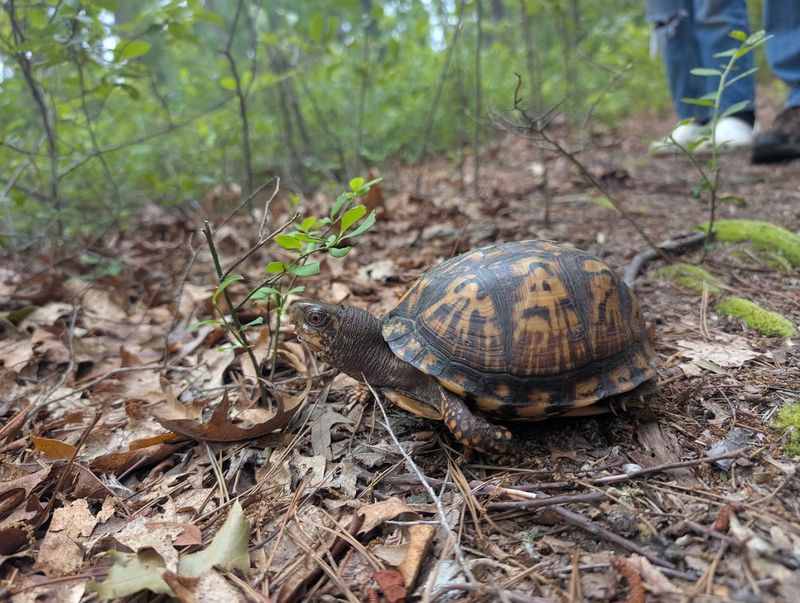
Beyond snakes, the state hosts a resilient population of turtles and a single native lizard species. The Eastern Box Turtle is frequently encountered in damp woodlands and suburban yards. Unfortunately, these long-lived creatures are often victims of vehicle strikes when they attempt to cross roads.
Video: Critter Encounters On The Rise In New Jersey
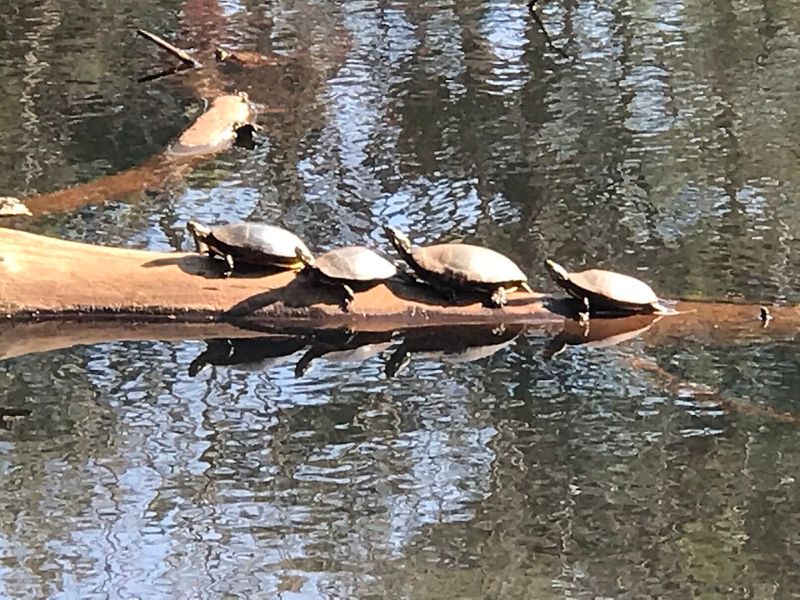
Other common crawlers include the Painted Turtle near ponds and the Common Five-lined Skink, New Jersey's only native lizard. Skinks are quick-moving, shiny reptiles often seen darting across rotting logs in search of insects.
Where to Expect Encounters
While you might occasionally find a snake in a suburban garage or garden bed, certain regions offer much higher probabilities for New Jersey crawling wildlife encounters. Knowing these hotspots helps you stay alert.
- The New Jersey Pine Barrens: Covering over a million acres in the southern part of the state, this sandy region is prime habitat for pine snakes, corn snakes, and various turtle species.
- The Sourland Mountain Region: Characterized by massive boulder fields and dense forests, this central NJ area is a stronghold for copperheads and timber rattlesnakes.
- State Parks and Wildlife Refuges: Locations like Allamuchy Mountain State Park, Stokes State Forest, and the Delaware Water Gap offer rocky outcrops and wetlands where reptiles thrive.
Activity peaks between late spring and early autumn. During the hottest part of summer, snakes are often crepuscular—active mainly at dawn and dusk—or nocturnal.
Safety Tips for Trail Users and Homeowners
Respect is the golden rule when dealing with wild animals. Because reptiles are cold-blooded, they rely on external heat sources and may become sluggish in the morning, but they can strike quickly if stepped on or cornered.
When hiking, always stay on designated trails and avoid walking through tall grass or deep brush without proper footwear. Wear sturdy hiking boots and long pants, and never reach blindly into rock crevices, under logs, or beneath piles of brush. If you encounter a snake on the trail, give it plenty of space—at least six feet—and allow it to move away on its own. Never attempt to touch, capture, or kill a snake, as the vast majority of bites occur when people try to handle them.
Around the home, you can minimize unwanted crawling visitors by keeping lawns trimmed, elevating woodpiles off the ground, and sealing gaps around foundations. If a venomous snake is spotted near high-traffic areas of your property, contact local animal control or a professional wildlife removal service rather than taking matters into your own hands.