Niceville Florida Weather: Year-Round Climate Guide
Tucked along the northern shores of Choctawhatchee Bay in the Florida Panhandle, Niceville offers a classic coastal lifestyle without the intense commercial crowds of neighboring resort towns. Whether you are relocating to the area, visiting Eglin Air Force Base, or planning a weekend paddle through Turkey Creek, understanding the patterns of niceville florida weather can help you make the most of every season. The city features a humid subtropical climate characterized by hot, storm-prone summers, remarkably pleasant shoulder seasons, and brief, crisp winters.
Seasonal Breakdown of Niceville Florida Weather
Unlike South Florida, which experiences only wet and dry seasons, Niceville experiences four distinct weather periods throughout the year. The bay waters and nearby Gulf of Mexico moderate local temperatures, keeping summer peaks and winter drops slightly milder than areas further inland.
Spring (March to May)
Spring is widely considered one of the best times to experience Niceville. As March arrives, daily high temperatures transition from the upper 60s into the low 70s, eventually hitting the mid-80s by late May. Evenings remain pleasantly cool through April. Rainfall is moderate, and humidity levels remain comfortable before the midsummer surge. The primary trade-off during early spring is heavy oak and pine pollen, which often covers cars and outdoor decks from late February through early April.
Summer (June to August)
Summers in Niceville are hot, humid, and intensely sunny. Daytime highs consistently hover between 89°F and 92°F, but the heat index routinely climbs past 100°F due to moisture rolling off the Gulf of Mexico and Choctawhatchee Bay. Nearly every afternoon brings building cumulus clouds followed by torrential downpours and lightning storms. These thunderstorms are typically brief—lasting between 30 and 60 minutes—and bring temporary relief by cooling the evening air into the upper 70s.
Autumn (September to November)
September still feels like midsummer, with elevated heat and tropical humidity. However, by mid-October, the first significant cold fronts sweep down from the north, clearing out humidity and introducing crisp, clear days. October and November are historically the driest months of the year in Niceville, making fall prime time for outdoor festivals, trail running at Fred Gannon Rocky Bayou State Park, and boating on the bay. High temperatures in November settle comfortably into the low 70s, with nights dipping into the upper 40s and low 50s.
Winter (December to February)
Winter in Niceville surprises many newcomers who expect endless tropical warmth. Because of its location in the western Panhandle, Niceville is exposed to continental cold fronts. Daytime highs generally hover in the low-to-mid 60s, while nighttime lows drop into the low 40s. Several times each winter, freezing temperatures (32°F or lower) occur overnight, occasionally threatening sensitive subtropical landscaping. Snow is extraordinarily rare, but cold rain and gray, overcast skies can persist for a couple of days when frontal systems stall.
Monthly Temperature and Rainfall Patterns
Video: Hurricane Isaias Current Video in Niceville FL | Live Storm Updates

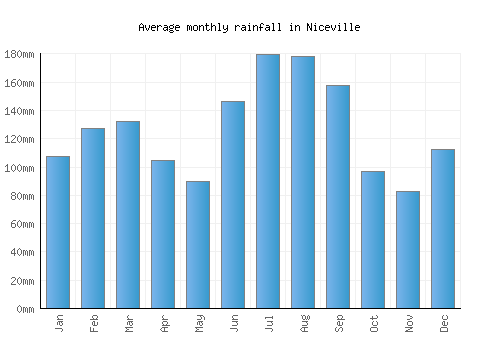
Niceville receives an average of 65 to 68 inches of rainfall per year, well above the national average. Precipitation peaks during two distinct periods: the summer convective storm season (July and August) and early spring frontal systems (February and March).
- January: Average high: 61°F | Average low: 40°F | Rainfall: 5.1 inches
- February: Average high: 65°F | Average low: 44°F | Rainfall: 5.3 inches
- March: Average high: 71°F | Average low: 50°F | Rainfall: 5.8 inches
- April: Average high: 77°F | Average low: 56°F | Rainfall: 4.4 inches
- May: Average high: 85°F | Average low: 64°F | Rainfall: 4.2 inches
- June: Average high: 89°F | Average low: 72°F | Rainfall: 7.1 inches
- July: Average high: 91°F | Average low: 75°F | Rainfall: 8.2 inches
- August: Average high: 91°F | Average low: 74°F | Rainfall: 7.8 inches
- September: Average high: 88°F | Average low: 70°F | Rainfall: 6.2 inches
- October: Average high: 80°F | Average low: 58°F | Rainfall: 4.1 inches
- November: Average high: 71°F | Average low: 48°F | Rainfall: 4.3 inches
- December: Average high: 63°F | Average low: 43°F | Rainfall: 5.0 inches
Severe Weather Considerations
While Niceville boasts plenty of sunshine, living or vacationing in the area requires awareness of specific severe weather patterns native to Northwest Florida.
Atlantic Hurricane Season
The Atlantic hurricane season runs from June 1 through November 30, with peak activity occurring between mid-August and late October. Niceville sits protected behind the barrier islands of Santa Rosa and Okaloosa Island, but Choctawhatchee Bay can still generate significant storm surge, especially along low-lying bayous such as Boggy Bayou and Rocky Bayou. High winds, localized flooding, and prolonged power outages are real risks during tropical storms and hurricanes. Residents should have an emergency preparedness kit, clear yard debris early in the season, and keep storm shutters or plywood accessible.
Summer Lightning Hazards
The Florida Panhandle experiences some of the highest lightning strike densities in the United States. Afternoon thunderstorms develop rapidly when sea breezes collide with warm inland air. If you hear thunder while swimming in Choctawhatchee Bay or paddling Turkey Creek, exit the water immediately. Seek shelter in an enclosed building or hard-topped vehicle rather than an open pavilion or under tall pine trees.
Best Time to Visit Niceville
The ideal time to visit Niceville depends heavily on your planned activities:
- For Outdoor Recreation: April, May, and October are unbeatable. Temperatures are warm enough for kayaking, hiking, and camping, but humidity remains manageable and rainfall is relatively low.
- For Beach and Water Enthusiasts: Late May through June delivers warm Gulf waters, longer daylight hours, and energetic summer vibes before the peak heat and storminess of late July and August set in.
- For Solitude and Budget Travelers: November through February offers quiet bay trails, discounted seasonal rental rates, and clear, cool weather perfect for running, golfing, and exploring local parks.
What to Pack for Niceville's Climate
Packing for Niceville requires a balance between summer sun protection and winter layer strategy. If visiting between May and September, prioritize lightweight, moisture-wicking fabrics, broad-spectrum sunscreen, UV-rated sunglasses, and a compact rain poncho or umbrella for afternoon storms. Sturdy water shoes or strap-on sandals are essential for the Turkey Creek boardwalk and local bay shores.
If you are traveling between late November and March, bring versatile layers. A typical winter day can start at 38°F, require a fleece jacket in the morning, and warm up to a sunny 65°F by afternoon where a light long-sleeve shirt or t-shirt is entirely comfortable. Always check the short-term marine forecast if you plan to charter a boat or fish in Choctawhatchee Bay, as coastal wind shifts can quickly change surface conditions.