Nissan GTR35: Specs, Evolution, & Buyer Guide
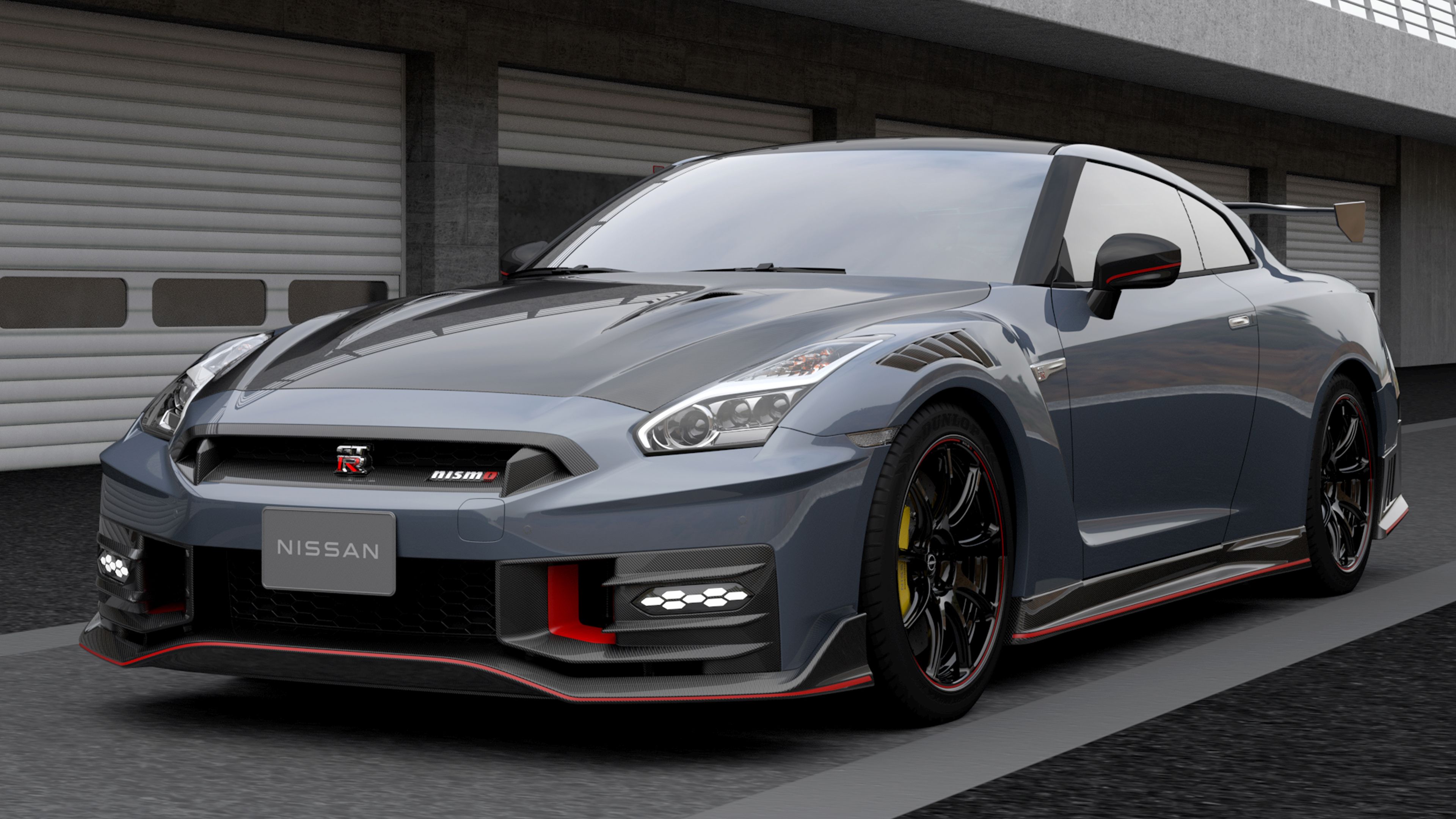
When the nissan gtr35 debuted in late 2007, it fundamentally shifted the performance benchmark for production sports cars. By decoupling the GT-R nameplate from the Skyline lineage and introducing a bespoke, tech-heavy platform, Nissan engineered a machine capable of outpacing European supercars that cost three times as much. Over its seventeen-year production lifespan, the R35 evolved from an unrefined, giant-killing disruptor into a refined, ultra-fast modern classic.
The Evolution of the Nissan GTR35 (2007–2024)
Car enthusiasts typically classify the R35 generation into three distinct chronological eras based on Nissan’s internal chassis codes: CBA, DBA, and EBA. Understanding these codes is essential for any prospective owner or enthusiast.
1. The CBA Era (2009–2011 Model Years)
The early cars introduced the world to the GT-R's brutal launch capabilities. Powered by a 3.8-liter twin-turbocharged V6 (VR38DETT), initial models produced 480 horsepower and 430 lb-ft of torque. However, the CBA era featured a notoriously harsh ride, aggressive clutch engagement at low speeds, and fragile early launch control software (known as LC1) that led to transmission warranty disputes when abused.
2. The DBA Era (2012–2016 Model Years)
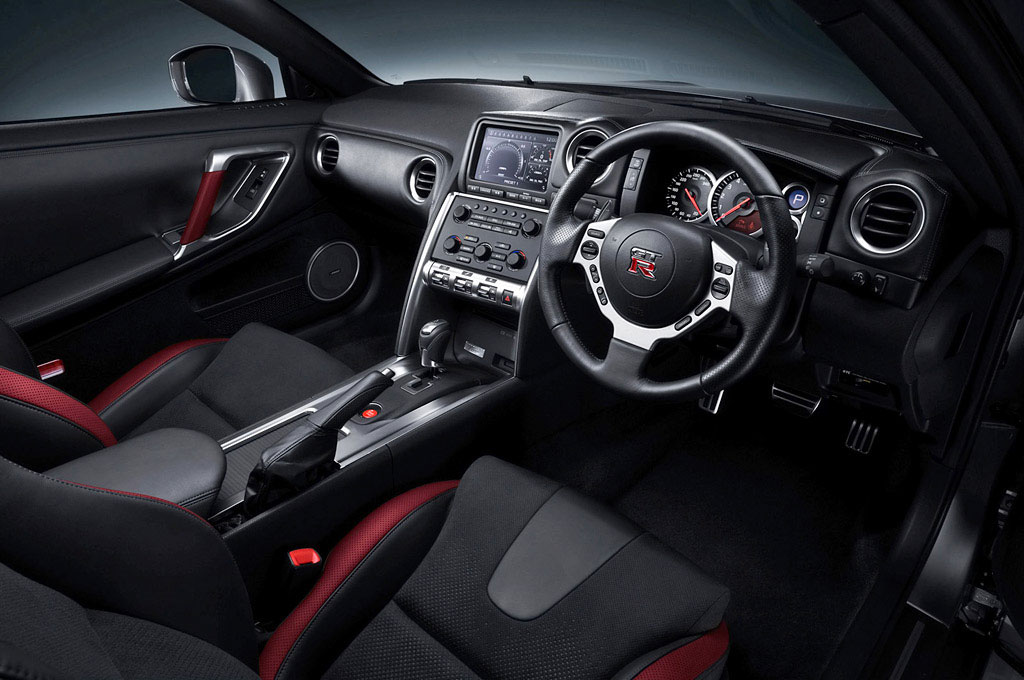
Nissan addressed early criticisms by significantly refining the platform. Structural rigidity increased, suspension pickup points moved, and engine output climbed steadily to 530 hp in 2012 and 545 hp by 2013. The DBA cars received larger intercooler ducts, bigger brake rotors, revised transmission shift logic, and vastly superior launch management (LC5), making them the sweet spot for many performance buyers.
3. The EBA Era and Beyond (2017–2024)
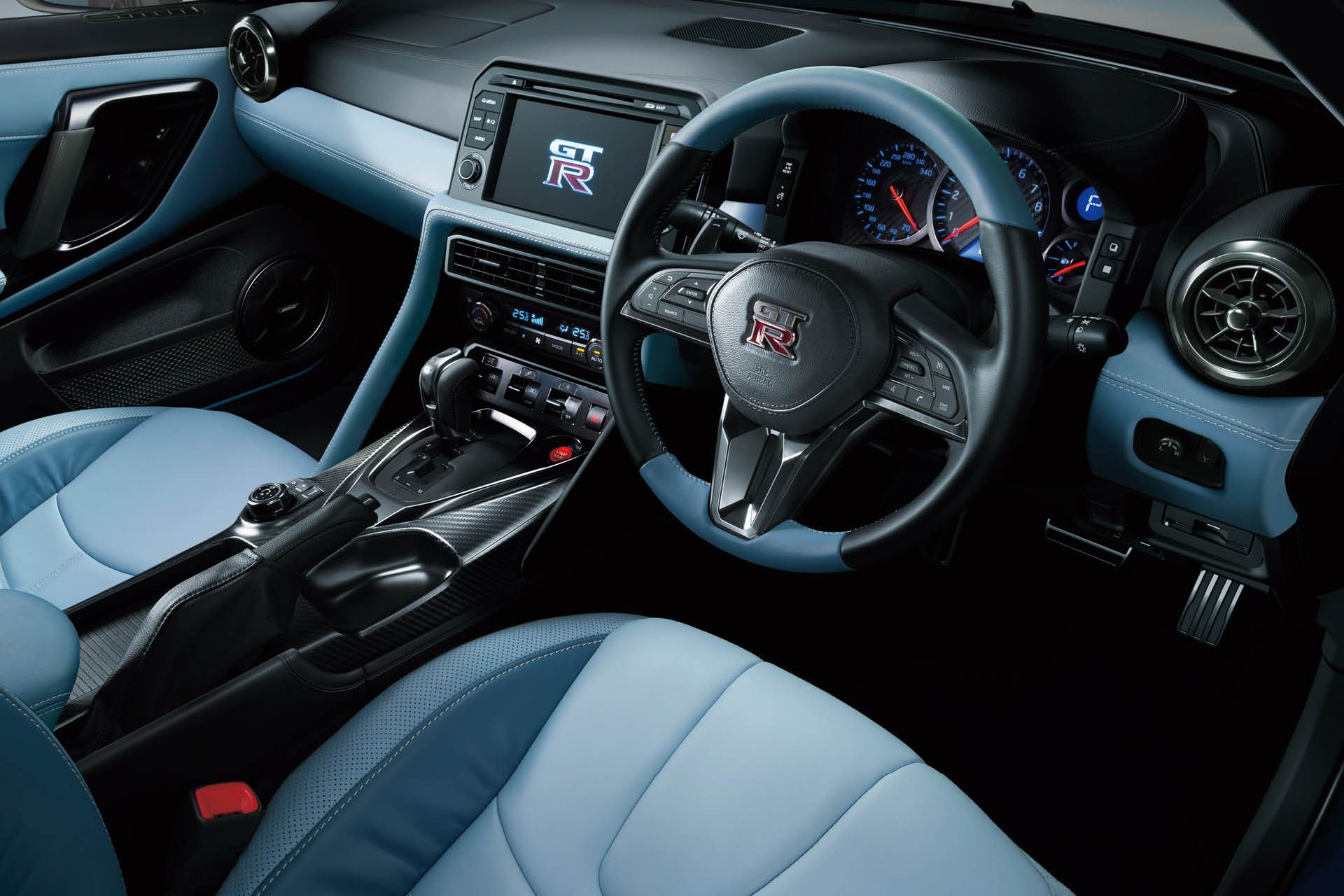
For 2017, the GT-R received its most significant interior overhaul. Nissan swapped the button-heavy console for an integrated touchscreen, added acoustic glass, and re-tuned the active exhaust and Bilstein DampTronic suspension for daily drivability. Power on the standard Premium trim rose to 565 hp, while limited editions like the Track Edition, T-Spec, and NISMO variants (producing 600 hp with carbon-ceramic brakes and GT3 turbochargers) pushed the envelope toward high-dollar collectibility.
Powertrain Engineering: The VR38DETT and GR6 Transaxle
The core of the R35's enduring success lies in its mechanical architecture. Every engine was hand-built by one of a few master craftsmen—termed Takumi—in a hermetically sealed cleanroom at Nissan's Yokohama plant.
- Engine Architecture: The VR38DETT features a closed-deck cast aluminum block with plasma-sprayed bore liners rather than traditional iron sleeves. This reduced overall engine weight by roughly 6.6 pounds while maximizing heat dissipation.
- Independent Rear Transaxle: Unlike traditional sports cars, the R35 houses its dual-clutch transmission (DCT) at the rear axle. Two separate carbon-composite driveshafts run beneath the car: one sends power from the front-mounted engine to the rear transaxle, and the second sends forward-directed torque back to the front differential.
- ATTESA E-TS All-Wheel Drive: The all-wheel-drive system acts as a pure rear-wheel-drive platform under steady-state driving. Up to 50% of the engine's torque can transfer forward within milliseconds based on yaw rate, steering angle, and wheel slip sensors.
Real-World Performance Benchmarks
On paper, the R35 is a heavy car, with curb weights hovering between 3,840 and 3,935 pounds depending on trim and options. Despite this, its computational traction systems and seamless dual-clutch gear changes yielded track times that terrified contemporaries like the Porsche 997 Turbo and Ferrari F430.

- Acceleration: Early CBA cars hit 60 mph in 3.3 seconds. By the time the DBA refinements arrived, that number dropped to 2.7–2.9 seconds under ideal conditions on prepped surfaces.
- Quarter-Mile Times: Factory-stock DBA and EBA models routinely run mid-to-high 10-second passes at over 125 mph.
- Cornering & Braking: Brembo-engineered multi-piston calipers (six-piston front, four-piston rear) clamping two-piece floating rotors provide the sustained thermal capacity needed to repeatedly haul down a nearly two-ton vehicle from triple-digit track speeds.
Common Issues and Long-Term Reliability
Because the GT-R features supercar performance with production-car service intervals, maintenance discipline dictates reliability. Prospective buyers should monitor several critical mechanical areas:
Bellhousing Bearing Failure
A well-documented issue across earlier model years is play developing in the driveshaft bellhousing bearing. Symptoms include an audible metallic rattling noise from beneath the console at idle, which disappears when the transmission is placed in gear. Upgraded aftermarket housings with stouter bearings provide a permanent fix.
Transmission Solenoid Contamination
The BorgWarner-designed GR6 transaxle uses delicate electromagnetic solenoids to route hydraulic pressure to the clutches and shift forks. Microscopic metal shavings from factory clutch wear can collect on the magnetic tips, causing shift errors, gear lockouts, or reverse gear failure. Regular transmission fluid flushes (every 18,000 miles if driven hard) and clip upgrades prevent costly transaxle teardowns.
Instrument Cluster Failure
The stepper motors inside the instrument cluster for early CBA models are prone to failure, causing fuel gauges, tachometers, and speedometers to stick or read erratically. Several specialized auto-electrical shops now offer bench repairs without requiring a total dashboard harness replacement.
What to Look for When Buying a Used R35
Because the platform responds so willingly to bolt-on modifications and tuning—easily exceeding 600–700 wheel horsepower on pump gas or E85—unmodified examples command significant premiums. When inspecting an R35, prioritize the following:
- Launch Counter & ECU History: Using diagnostic tools like Nissan's Consult III or aftermarket systems like Cobb Accessport, review the internal transmission computer’s launch counter and clutch temperature history to identify past track abuse.
- Consumables Health: OEM rotors and brake pads are expensive; a full four-corner brake overhaul using factory parts can easily exceed $3,000. Inspect tire tread wear across both inside and outside shoulders, as aggressive factory negative camber wears inner bands rapidly.
- Fluid Documentation: Verify documented service for engine oil, both differential units, and the transaxle. The transaxle requires specialized high-friction fluid; running generic aftermarket fluids can cause clutch chatter and shift degradation.
The Legacy of Nissan's Technological Icon
The Nissan GTR35 was never meant to be a delicate, analog driver's instrument. It was conceived as an engineering triumph: an all-weather, hyper-capable weapon that weaponized computer-controlled traction, aerodynamics, and brute twin-turbo torque. As emissions regulations, hybrid systems, and electrification reshape high-performance car design, the R35 stands out as the mechanical and digital bridge between the purely mechanical 1990s and the computer-dominated modern era.