NJ Inspection Center Guide: Locations & Requirements
Navigating the vehicle registration and testing process in New Jersey can feel like a chore, but visiting an NJ inspection center is a straightforward requirement for most drivers. Whether you are a lifelong Garden State resident or recently moved here with an out-of-state vehicle, understanding how the state's vehicle emissions and safety testing works will save you time and hassle.

New Jersey requires most gasoline-powered passenger vehicles to undergo regular safety and emissions inspections to keep our air clean and roadways safe. Below, we break down everything you need to know about preparing for your visit, finding a station, and knowing what to expect when you arrive.
Understanding NJ Inspection Requirements
Before heading out to an inspection facility, it helps to know whether your specific vehicle needs testing and how often. New Jersey has specific timelines for different vehicle categories.
New Passenger Vehicles
If you purchase or register a brand-new vehicle in New Jersey, you catch a bit of a break. New passenger vehicles are typically exempt from initial inspections for five years. After that initial five-year period elapses, the vehicle must be inspected every two years.
Older Vehicles and Used Cars
Vehicles that are model year 1996 and newer must undergo an OBD-II (On-Board Diagnostics) emissions test, along with a safety check. For older vehicles manufactured before 1996, testing protocols vary, focusing primarily on traditional tailpipe emissions and safety components.
Exempt Vehicles
Not every motorized vehicle on the road needs to visit a state facility. The following are generally exempt from regular New Jersey inspections:
- Gasoline-powered passenger vehicles that are less than five model years old.
- Historic or collector vehicles registered as such.
- 100% electric vehicles (EVs).
- Bicycles with helper motors and motorized bicycles.
- Certain agricultural tractors and machinery.
Choosing Your Facility: State vs. Private
Video: New Jersey DMV Inspection
Drivers in New Jersey have two primary options when it comes to getting their vehicles inspected: official state-run central inspection facilities or Private Inspection Facilities (PIFs).

State-Run Central Inspection Facilities
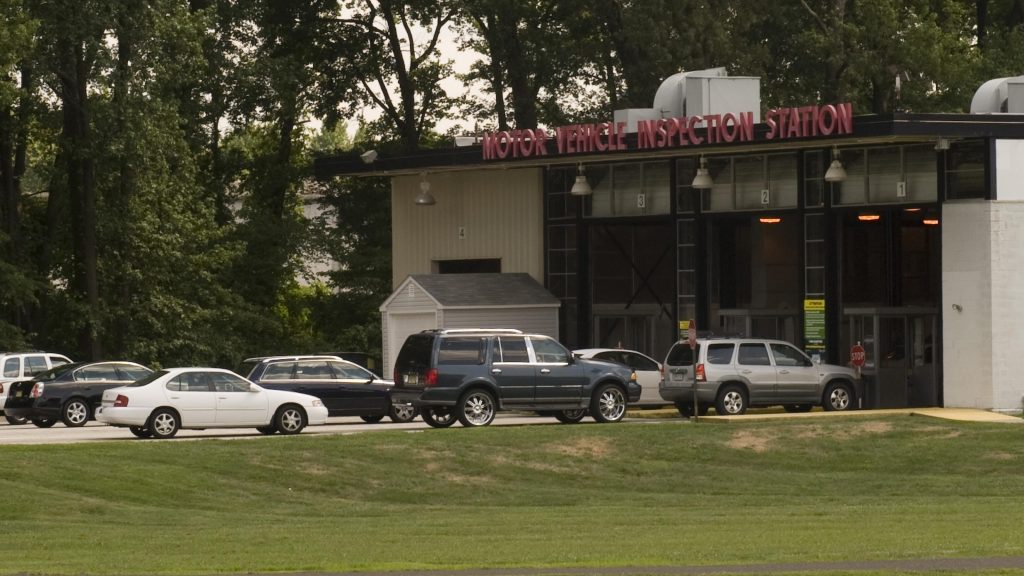
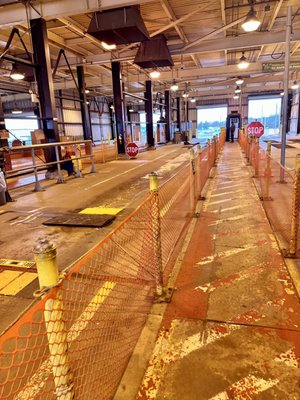
Operated by the state Motor Vehicle Commission (MVC), these dedicated stations are free of charge for the mandatory emissions and safety check. However, they only perform inspections—they do not perform repairs. If your car fails, you must take it to a mechanic, fix the issue, and return for a re-inspection.
Private Inspection Facilities (PIFs)
These are local, state-licensed garages, service stations, and car dealerships. While PIFs charge a fee for their time and labor to perform the inspection, they offer a major convenience: if your vehicle fails, they are typically licensed to diagnose and repair the issue right on the spot, allowing you to pass the re-test immediately.
What to Bring to the NJ Inspection Center
Showing up unprepared is the number one reason drivers get turned away or face long delays. Before you drive to an NJ inspection center, make sure you have the following documents ready in your glove compartment:
- Valid New Jersey Driver's License: Must be current and in good standing.
- Valid Vehicle Registration: Proof that the car is registered in NJ (or temporary registration for new arrivals).
- Valid Proof of Insurance: Either physical insurance cards or a digital copy accessible on your smartphone.
Tips for a Smooth Inspection Process
To ensure you breeze through the inspection line and avoid a rejection sticker, keep these practical tips in mind:
- Check Your Dashboard: If your Check Engine light is illuminated, your car will automatically fail the OBD-II test. Get diagnostic codes read and repaired before you go.
- Timing is Everything: State inspection lines tend to be busiest at the beginning and end of the month, as well as first thing in the morning and during lunch hours. Mid-month and mid-day visits usually yield shorter wait times.
- Clear Obstructions: Ensure your license plates are clearly visible, clean, and securely fastened with all four screws if possible. Inspectors may reject vehicles with obscured plates.
- Gas Cap Check: A loose or faulty gas cap can trigger an emissions failure. Make sure yours clicks tightly shut.
What Happens If Your Car Fails?
Failing an inspection is frustrating, but it is not the end of the world. If your vehicle fails at a state-run NJ inspection center, the inspector will hand you a vehicle inspection report detailing the exact reason for failure. You will be given a temporary rejection sticker that grants you a grace period (usually one month) to get the necessary repairs made and return for a passing score.
Once the mechanical issues are resolved, simply bring the vehicle back to a state facility or a private inspection facility along with your repair receipts. The inspector will re-test the specific systems that failed, and once passed, apply your new inspection sticker.