North Mississippi Relics: A Field & History Guide
North Mississippi occupies a distinct place in American history. From ancient Indigenous trading corridors along the Natchez Trace to the rail junctions that decided Civil War campaigns, the soil in this part of the country holds an extraordinary material record. For historians, collectors, and metal detecting enthusiasts, discovering north mississippi relics offers an immediate, tangible connection to the people who shaped the American South.

Whether you are interested in the military history of the Western Theater, the legacy of early agrarian settlements, or the preservation of local heritage, understanding what lies beneath the topsoil requires both historical knowledge and an ethical approach to recovery.
The Historical Backdrop: Why Northern Mississippi Holds So Many Relics
To understand where artifacts concentrate, one must understand how movement occurred through northern Mississippi across the 18th and 19th centuries. The landscape was shaped by three major forces: native settlement, agricultural expansion, and intense wartime logistics.
Before European settlement, the region was the heartland of the Chickasaw Nation. Historic trails crisscrossed the red clay hills and fertile bottomlands, serving as arteries for trade long before paved roads existed.
By the 1850s, northern Mississippi transformed into a vital transportation bottleneck. Towns like Corinth emerged around the critical junction of the Mobile & Ohio and the Memphis & Charleston railroads. Because these two rail lines connected the Atlantic coast with the Mississippi River and the northern Confederacy with the Gulf of Mexico, control of this corridor became a primary objective during the Civil War. Tens of thousands of soldiers encamped, marched, clashed, and dropped gear across modern-day Alcorn, Lee, Tippah, and Lafayette counties.
Common Categories of North Mississippi Relics
Artifacts uncovered in this region generally span three main eras, each telling a distinct story of survival, industry, or conflict.
1. Civil War Military Artifacts
Military relics remain the most actively sought category in the region. Due to major engagements such as the Siege of Corinth, the Battle of Brice's Cross Roads, and the Battle of Tupelo (Harrisburg), the ground preserves thousands of ordnance and personal equipment items:
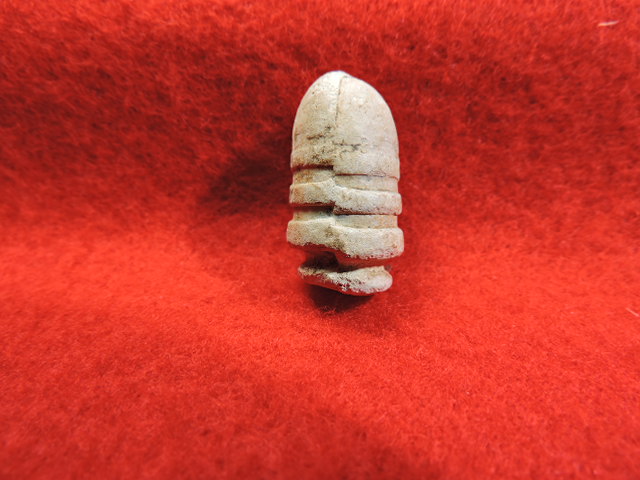
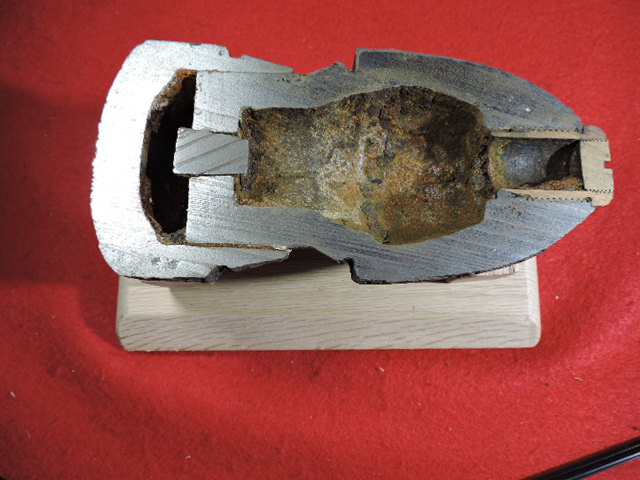
- Projectiles: Three-ring .58 caliber Minie balls, Williams cleaner bullets, Enfields, and round lead balls from smoothbore muskets are among the most common finds. Artillery fragments, including lead Bormann time-fuse remnants and iron canister shot, appear around battery sites.
- Uniform Accoutrements: Brass Eagle buttons, state-seal buttons (particularly Mississippi, Louisiana, and Georgia units), and belt plates or cartridge box plates bearing "US" or Confederate motifs.
- Camp Life Artifacts: Soldiers spent vastly more time in camp than in combat. Common recoveries include broken pocket knives, brass harmonica reeds, melted lead camp waste, iron tent stakes, coffee ration tins, and carved lead chess pieces.
2. Antebellum Settlement & Plantation Relics
Away from military battle lines, the region was populated by small farms, cotton plantations, and trading posts. Relics from this period illustrate everyday 19th-century domestic life:
- Coinage and Trade Tokens: Silver Seated Liberty dimes and half dimes, Large Cents, and early merchant tokens often turn up around old homestead wells and crossroads stores.
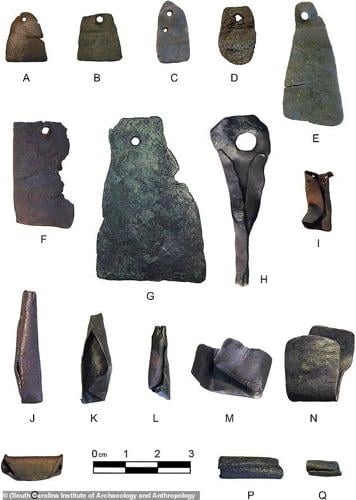
- Hardware and Tack: Hand-forged square nails, wrought-iron harness buckles, horse bits, brass barrel taps, and cast-iron cookstove fragments.
- Buttons and Fasteners: Flat brass buttons from the late 18th to mid-19th century, pewter buttons, and ornate mother-of-pearl collar studs.
3. Historic Bottles and Stoneware
Bottle hunting in northern Mississippi often centers on early privy pits, town dumps, and creeks running behind commercial districts. Desirable pieces include mouth-blown medicine bottles, early Coca-Cola or local soda bottles embossed with towns like Holly Springs, Aberdeen, or Tupelo, and salt-glazed stoneware whiskey jugs produced by local southern potters.

Ethical and Legal Guidelines for Hunting North Mississippi Relics
The pursuit of historical artifacts carries serious legal and ethical obligations. Irresponsible digging destroys archaeological context and leads to property damage that tarnishes the reputation of historical researchers and hobbyists alike.
Federal and State Protections
It is strictly illegal to hunt for, dig, or remove artifacts from public lands without permits. This includes:
- National Battlefield Parks: Shiloh National Military Park (which oversees sites in Corinth), the Brice's Cross Roads National Battlefield Site, and the Tupelo National Battlefield are federal property. Metal detecting or relic hunting on these grounds is a federal crime under the Archaeological Resources Protection Act (ARPA), punishable by severe fines, confiscation of equipment and vehicles, and imprisonment.
- State Parks and Wildlife Management Areas (WMAs): Mississippi state law protects archaeological resources on state-managed lands. Using metal detectors to dig relics in places like Trace State Park or J.P. Coleman State Park is prohibited.
- Mound Sites and Indigenous Burials: Native American earthworks, burial grounds, and known village sites are legally protected. Desecrating or disturbing these sites violates both federal and state antiquity laws.
Hunting on Private Land
Relic hunting in Mississippi is permissible on private property, provided you have explicit, written permission from the landowner. Always follow these basic field rules:
- Secure permission well in advance; do not assume open pastures or wooded tracts are public domain.
- Use small hand trowels or specialized digging knives rather than full-sized shovels to cut neat, replaceable soil plugs.
- Fill every hole meticulously. Leaving open holes damages livestock, farm machinery, and landowner goodwill.
- Pack out modern trash, including pull tabs, foil, and scrap wire, leaving the property cleaner than you found it.
Researching Sites: Finding the History Before You Hunt
Successful relic research relies on historical documentation rather than guesswork. If you have secured private property access in northern Mississippi, these resources help verify historical activity:
- Civil War Official Records (OR): The War of the Rebellion: A Compilation of the Official Records of the Union and Confederate Armies details daily troop movements, minor skirmishes, and bivouac locations down to specific crossroads and creek crossings.
- Historic Topographic and County Maps: The Library of Congress offers digitized 19th-century campaign maps, while Mississippi state archives hold historic plat maps showing the names and locations of early homesteads, old cotton gins, and long-abandoned roads.
- LiDAR Imagery: Publicly accessible geological survey data often reveals forgotten trenches, roadbeds, and structural foundations that are invisible from ground level beneath heavy tree canopies.
Preserving and Documenting Your Finds
Once an artifact is lifted from the soil, preservation begins. Mississippi's clay-rich soils can be acidic, which accelerates corrosion once metal is exposed to ambient air and humidity.
Iron Relics: Iron artifacts (like cannonball fragments or tools) pulled from damp ground will continue to flake and deteriorate due to active rust. They require stabilization through electrolysis, followed by a coat of microcrystalline wax (such as Renaissance Wax) to seal out oxygen.
Lead and Brass: Minie balls should be cleaned gently with warm water and a soft nylon brush. Never use harsh acids or wire wheels, which strip the protective white patina formed over 160 years. Brass items require careful rinsing; aggressive mechanical polishing ruins historical value and collector appeal.
Equally important is documentation. Maintain a field log noting GPS coordinates, depth, date of recovery, and the context of the find. Without recorded context, a relic is merely an antique object; with proper records, it serves as a meaningful, preserved piece of Mississippi's complex heritage.