Nose Stud Fell Out? What to Do Right Now
If your nose stud fell out, take a deep breath. It happens all the time—catching on a towel, snagging on a pillowcase, or slipping out while blowing your nose. While it is an urgent situation, panicking and frantically trying to jam the metal back through your nostril will only cause pain, swelling, and tissue damage. With a calm head and the right technique, you can often save the piercing without complications.
How Fast Does a Nose Piercing Close?
Nostril piercings are notorious for closing faster than standard earlobe piercings. The inside of your nose is lined with mucous membranes, which heal rapidly compared to external skin.
The amount of time you have depends primarily on how old your piercing is:
- Less than 8 weeks old: The hole can shrink or close in as little as 10 to 30 minutes. The delicate fistula (the tunnel of scar tissue) has barely formed.
- 2 to 6 months old: The piercing may remain open for a few hours, but the internal mucosal exit often begins to seal within an hour.
- Over 1 year old: A well-established piercing can often stay open for several hours or even a few days, though inserting jewelry after a prolonged absence may still require slight stretching or assistance.
Step-by-Step: What to Do When Your Nose Stud Fell Out
If you have located the jewelry and want to put it back in yourself, follow this safe, sanitary process.
1. Wash Your Hands Thoroughly
Your hands harbor bacteria that can quickly cause an infection in an exposed piercing channel. Scrub your hands with warm water and antibacterial soap for at least 20 seconds before touching your face or your jewelry.
2. Sanitize the Jewelry
Never reinsert dirty jewelry. If the stud fell onto the floor, counter, or bed, clean it with warm water and mild liquid soap, then disinfect it using a 70% isopropyl alcohol wipe. Allow the alcohol to dry completely before attempting reinsertion, as wet alcohol can burn raw internal tissue.
3. Lubricate the Channel
Dry metal rubbing against raw or irritated skin creates friction, which can cause the channel to spasm shut. Lubricate the post of your stud with a small amount of sterile saline solution, water-based lubricant, or jojoba oil. Avoid petroleum jelly (like Vaseline) because it traps bacteria and hinders oxygen flow.
4. Guide the Stud In at the Correct Angle
Nostril piercings are rarely punched at a completely flat 90-degree angle. Look in a well-lit mirror and tilt your head back to see the entry hole clearly.
Video: why does my nose piercing keep falling out
- For L-shaped studs: Gently slide the straight end in until it hits the bend, then slowly pivot the jewelry downward or upward (depending on the orientation) so the remainder slides into the nasal cavity.
- For nostril screws (corkscrews): Insert the tip into the hole and slowly twist the curve in a gentle spiral motion, letting the metal guide itself through the channel without resistance.
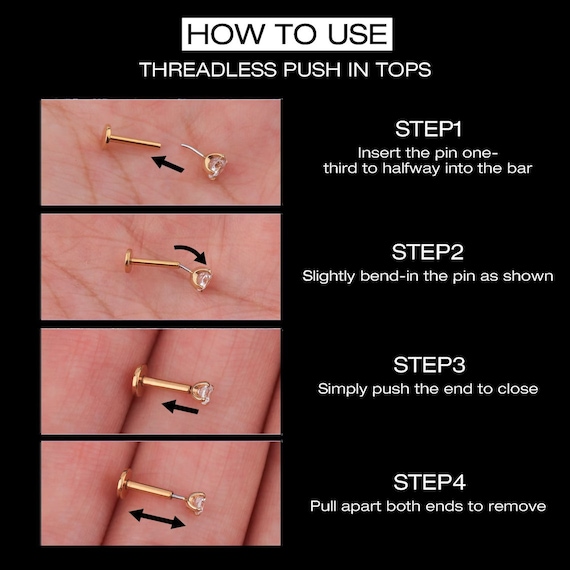
- For flat-back labrets: If inserting from the outside (for internally threaded or threadless push-pin tops), insert the decorative end into the post. If the post itself fell out, you may need a specialized insertion taper to guide it from inside the nostril.
- For nose bones: These have a small bulb on the end. They require a tiny amount of pressure to pop through, but never push hard enough to cause sharp pain or bleeding.
5. Clean the Area Afterward
Once the stud is back in place, spray both the inside and outside of your nostril with sterile saline wound wash (0.9% sodium chloride). Gently pat the exterior dry with a clean paper towel.
What to Do If You Can't Get It Back In
If the jewelry meets resistance, stop pushing immediately. Piercing channels often close from the inside first. If you force the post, you risk creating a "false passage"—poking the metal through healthy flesh instead of the healed tunnel. This causes trauma, bleeding, hyper-granulation (piercing bumps), and scarring.
Here are your best options if the stud won't slide through smoothly:
- Visit a professional piercer: If your piercer is open, go in as soon as possible. Professional piercers use sterile, blunt-ended insertion tapers. These tools gradually widen the contracting tissue, allowing them to glide jewelry back into place painlessly without repiercing.
- Try from the inside out (with caution): Sometimes the outer skin remains open while the inner lining is tight. Piercers often use an inside-out technique, but unless you have proper tools and experience, leave this to a pro.
- Let it heal and repierce later: If you cannot see a piercer and the hole will not accept the jewelry, let it close completely. Keep the area clean with saline spray. Once fully healed (typically 2 to 3 months), a piercer can safely redo the hole.
What If You Lost the Nose Stud?
If your jewelry went down the drain or disappeared into a thick carpet, you need a safe placeholder while you source a replacement.
Safe alternatives:
- A clean, sanitized spare nose stud or nostril hoop of the same gauge.
- A sterile plastic or glass piercing retainer (available at most piercing studios).
- A clean, straight-post traditional earring (18G or 20G), strictly as a temporary emergency measure for a few hours until you can reach a studio. Ensure it is made of implant-grade titanium or solid 14k gold.
Unsafe substitutes to avoid:
- Sewing needles, safety pins, or twist ties (these introduce toxic metals and severe infection risks).
- Fishing line or thread (these harbor bacteria and can slice through tissue).
- Studs of a thicker gauge than your current piercing (forcing an 18G stud into a 20G hole will tear the skin).
How to Prevent Your Nose Stud from Falling Out Again
Repeated jewelry loss irritates your nostril and prolongs total healing time. To keep your jewelry firmly in place, consider adjusting your setup and habits:
Switch to a Flat-Back Labret: Traditional nose bones and L-bend studs fall out easily because nothing physically locks them into the nostril. Threadless (push-pin) flat-back labrets sit flush against the inside of your nose, making them almost impossible to snag or dislodge accidentally.
Mind Your Face Routine: Loop-fiber bath towels are the primary culprit for pulled piercings. Swap your face towel for disposable paper towels, or dab around your nose carefully rather than rubbing. When changing clothes, pull shirts gently over your head with your collar pulled wide.
Check Fit with Your Piercer: Swelling subsides several weeks after a fresh piercing. If you are still wearing your long initial starter post, the excess length makes snagging much more likely. Return to your piercer for a proper downsize to ensure a snug, comfortable fit.