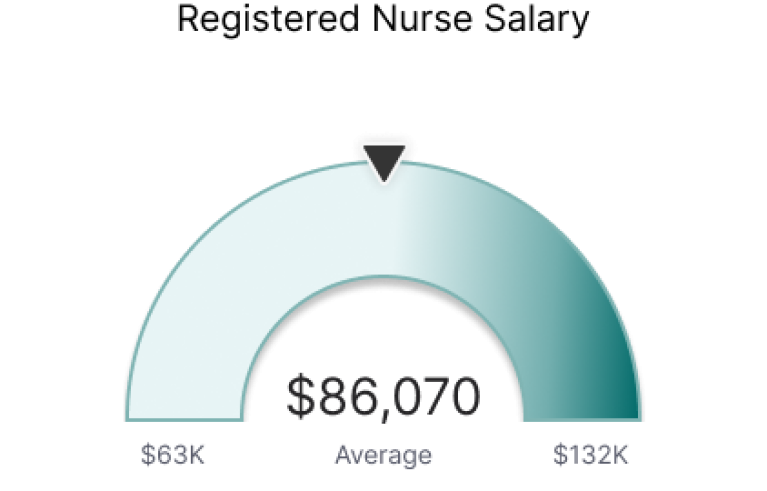
Nurse Salary Calculator: Estimate Your Pay
Understanding Your Earning Potential

Nursing is a rewarding profession, both personally and financially, but navigating pay structures can be complex. Whether you are a newly graduated Registered Nurse (RN), an experienced Nurse Practitioner (NP), or a Licensed Practical Nurse (LPN), understanding your market value is essential. Using a reliable salary calculator nurse professionals trust is the first step toward mapping out your financial future, negotiating raises, or planning a career move.
Compensation in the healthcare sector is rarely a one-size-fits-all figure. Factors like geographic location, shift differentials, certifications, and years of experience can drastically alter your annual income. In this guide, we will break down how nursing pay is calculated, the variables that impact your paycheck, and how to use online tools to get an accurate estimate of your worth.
How a Nurse Salary Calculator Works
A standard salary calculator for nursing professionals takes various data points and matches them against regional and national labor statistics—typically sourced from the Bureau of Labor Statistics (BLS), hospital filings, and self-reported payroll data. When you input your specific details, the tool crunches the numbers to provide an estimated hourly wage, weekly take-home pay, and annual salary.
To get the most accurate results from any calculator, you will generally need to provide the following information:
- Job Title / License Type: LPN, RN, APRN, Nurse Practitioner, or Certified Registered Nurse Anesthetist (CRNA).
- Location: State, city, or zip code, as cost of living heavily dictates pay scales.
- Years of Experience: Entry-level, mid-career, or senior-level tenure.
- Work Setting: Hospitals, outpatient clinics, nursing homes, home healthcare, or government facilities.
Key Factors That Impact Nursing Pay
While an online calculator gives you a great baseline, several real-world variables will ultimately determine what lands in your bank account. If you want to increase your earning potential, pay close attention to these major drivers.
1. Geographic Location

Where you practice is arguably the single biggest factor influencing your salary. States on the West Coast, such as California and Washington, typically offer the highest average nursing salaries in the country, often well above $100,000 for standard RNs. Conversely, southern states often report lower averages, though this must be weighed against a lower cost of living.
2. Education and Specialization
Your level of formal education directly correlates with your pay grade. Transitioning from an Associate Degree in Nursing (ADN) to a Bachelor of Science in Nursing (BSN) opens doors to higher-paying positions and magnet hospitals. Furthermore, specialized fields—such as Intensive Care Unit (ICU), Operating Room (OR), Emergency Department (ED), and advanced practice roles—command higher compensation due to the specialized skills required.
3. Shift Differentials and Overtime
Many nursing calculators only show base pay, but healthcare is a 24/7 industry. Taking on night shifts, weekends, and holidays usually triggers shift differentials—extra hourly pay added to your base rate. Additionally, picking up on-call shifts or overtime can significantly boost your gross annual income beyond what basic calculators predict.
How to Maximize Your Nursing Income
If your salary estimate comes in lower than expected, you have several actionable paths to increase your earnings. Strategic career planning can bridge the gap between what you currently make and what you want to earn.
- Pursue Certifications: Earning credentials in your specialty (like CCRN or CEN) shows expertise and often comes with a pay bump or annual bonus.
- Travel Nursing: Travel nurses fill critical staffing shortages nationwide and often command tax-free stipends alongside high hourly wages.
- Advance Your Degree: Returning to school for a Master of Science in Nursing (MSN) or Doctor of Nursing Practice (DNP) allows you to step into NP, nurse educator, or administrative roles with significantly higher salary ceilings.
- Negotiate Your Offer: Never accept the first offer blindly. Use data from reputable salary estimators to negotiate your starting wage or annual performance review.
Conclusion
A salary calculator for nurses provides invaluable insight into the healthcare job market, helping you make informed decisions about your career path. By understanding how geographic location, education, certifications, and shift work influence your compensation, you can take control of your financial growth. Keep your data up to date, leverage your unique skills, and continuously advocate for your worth in the ever-evolving healthcare landscape.