NYS Thruway Accidents: Real-Time Info & Safety Guide
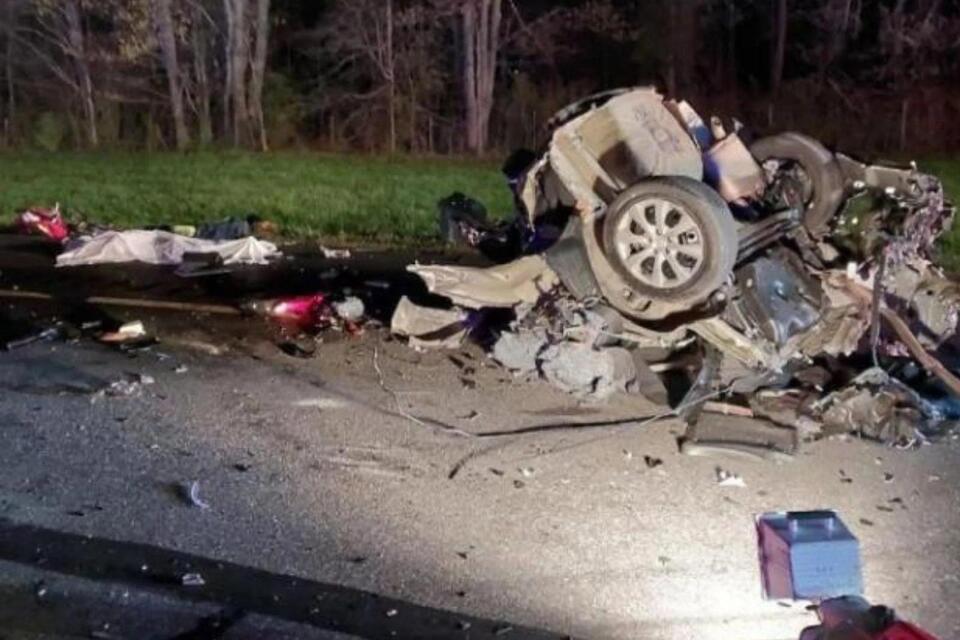
Spanning over 570 miles across New York State, the Governor Thomas E. Dewey Thruway (I-90, I-87, and connecting branches) is one of the busiest toll highway systems in the United States. Connecting major hubs like New York City, Albany, Syracuse, Rochester, and Buffalo, it carries millions of commuters, commercial truckers, and tourists every year. However, high-speed traffic, unpredictable weather, and heavy commercial volume mean that an accident on NYS Thruway can happen at any moment, instantly snarling traffic for miles.

Whether you are currently sitting in gridlock, looking for live detour information, or researching legal and safety steps after a fender-bender on this highway, understanding how to navigate these incidents can save you time, money, and stress.
Live Traffic Updates: Checking for an Accident on NYS Thruway
When sudden brake lights appear or highway electronic signs flash warnings, you need accurate, up-to-the-minute information. Relying on guesswork will only lead to frustration. Use these official and trusted resources to check conditions before and during your trip:
- New York State Thruway Authority (NYSTA) Interactive Map: The official Thruway website features a real-time traffic map detailing active construction, lane closures, and accidents.
- 511NY System: Dial 511 or visit 511ny.org for voice-prompted or digital updates covering traffic speeds, public transit, and weather conditions across all NYS roads.
- Waze and Google Maps: Crowdsourced navigation apps often update faster than official channels regarding sudden slowdowns and minor shoulder accidents.
Common Hotspots for Thruway Incidents
While accidents can occur anywhere, certain stretches of the NYS Thruway experience a higher frequency of collisions due to congestion, merging patterns, and steep grades:
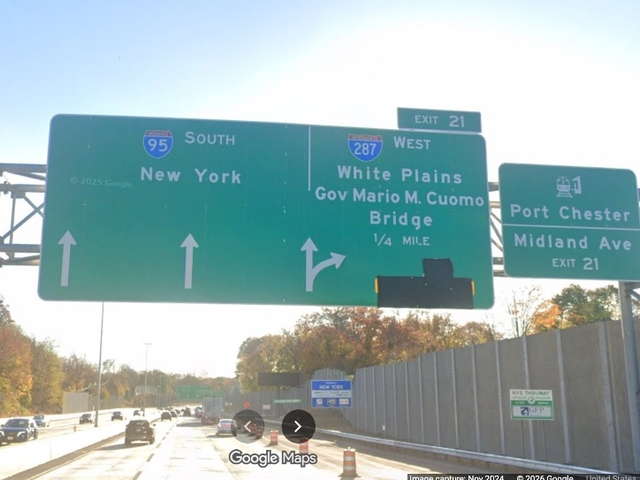
- The Tappan Zee Bridge / Mario M. Cuomo Bridge corridor (I-87/I-287): Heavy commuter traffic creates frequent stop-and-go bottlenecks.
- The Berkshire Connector and Albany Interchange (Exit 23 to Exit 24): A major merging zone where multiple interstate travelers converge.
- Syracuse and Rochester Metro Stretches: High volumes of local traffic mixing with long-haul freight trucks often lead to rear-end collisions, particularly during rush hours.
Immediate Steps to Take If You Are Involved in a Crash
If you are unfortunate enough to be involved in a collision on the Thruway, your immediate priority is safety. High-speed traffic poses a severe secondary-crash risk.
- Move to Safety: If your vehicle is drivable and you are involved in a minor fender-bender with no serious injuries, New York law requires you to move your car off the active travel lanes to the shoulder or median. Remaining in a live lane drastically increases your risk of being struck by a fast-moving semi-truck or passenger car.
- Turn on Hazard Lights: Make your vehicle as visible as possible to oncoming traffic, especially during night driving, heavy rain, or snowstorms.
- Call 911: Report the accident immediately. State troopers or local police will dispatch units to secure the scene and manage traffic.
- Check for Injuries: Assess yourself and your passengers. Do not attempt to move anyone with suspected neck or back injuries unless there is an immediate, life-threatening danger like a vehicle fire.
Dealing with Thruway Emergency Services
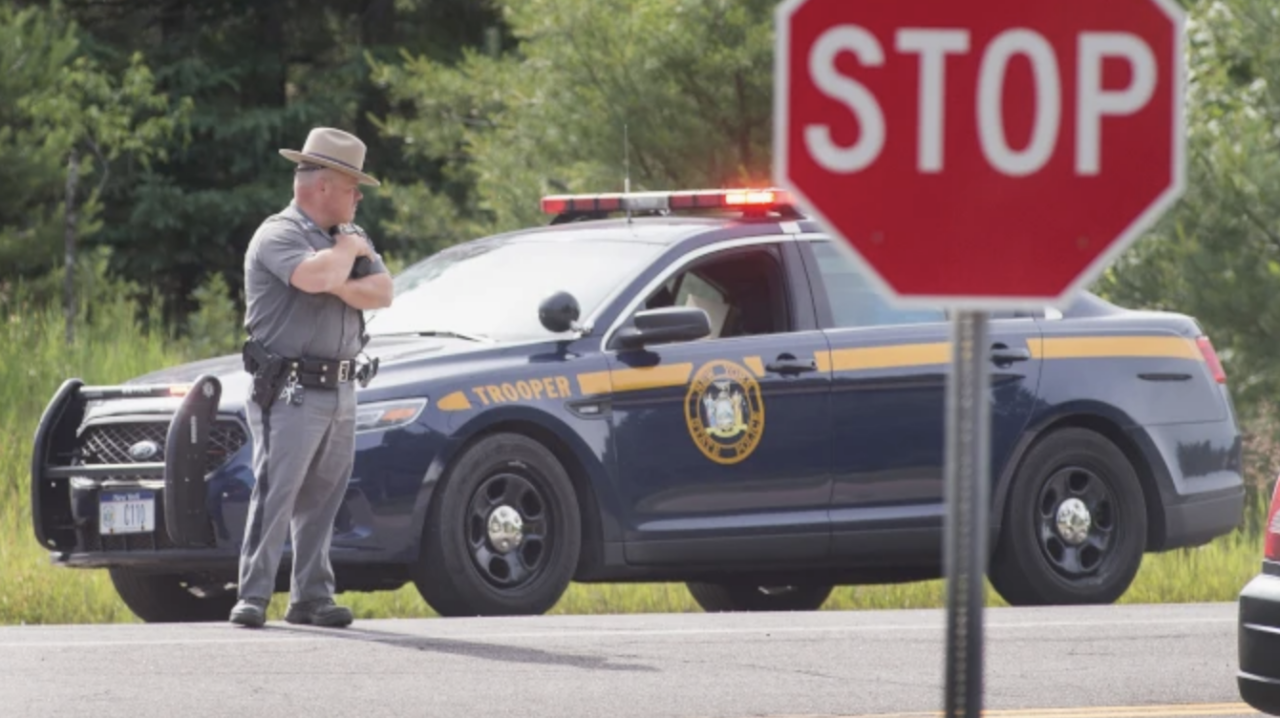
The Thruway is heavily patrolled by New York State Police Troop T, which is dedicated exclusively to the Thruway system. In addition, the Thruway Authority operates Highway Emergency Local Patrol (HELP) trucks on busier sections. These operators provide free assistance, such as jump-starting a battery, changing a flat tire, providing a gallon of fuel, or removing a disabled vehicle from a dangerous spot.
Video: 11 injured in coach bus rollover crash on NYS Thruway in Ulster County

Legal and Insurance Implications
Once the immediate danger has passed and the roadway is cleared, you must handle the administrative and legal aftermath of the incident.
New York is a no-fault insurance state. This means your own Personal Injury Protection (PIP) insurance covers your medical bills and lost wages up to your policy limit, regardless of who caused the crash. However, for significant injuries or property damage exceeding state thresholds, you may need to file a third-party claim or lawsuit.
Documentation is Key
If you are physically able following the accident, gather as much evidence as possible:
- Take wide-angle and close-up photos of vehicle damage, skid marks, road signs, and weather conditions.
- Exchange insurance and contact details with all involved drivers.
- Obtain the badge numbers and names of responding New York State Troopers, and ask where you can obtain a copy of the official police report.
- Avoid making statements admitting fault to other drivers or insurance adjusters at the scene.
Preventing Thruway Accidents: Safety Tips
Many Thruway accidents are entirely preventable. Because speed limits reach up to 65 mph on most stretches (and 55 mph in downstate urban zones), reaction times must be sharp.
Always maintain a safe following distance—at least three to four seconds behind the vehicle in front of you, expanding that distance significantly during New York's harsh winter storms. Furthermore, respect work zones. State troopers enforce strict fines for speeding in construction zones, where rear-end collisions are common due to sudden lane shifts.
By staying informed, driving defensively, and knowing what to do if you encounter an unexpected bottleneck, you can ensure safer travels across New York State's premier highway system.