Obituary Definition & Example: How to Write One
When losing a loved one, navigating the tasks of planning a memorial and honoring their memory can feel overwhelming. Among these tasks is writing a public notice of their passing. Understanding the proper obituary definition example and structure can help make this process significantly easier, allowing you to create a fitting tribute during a difficult time.

What is an Obituary? (Obituary Definition)
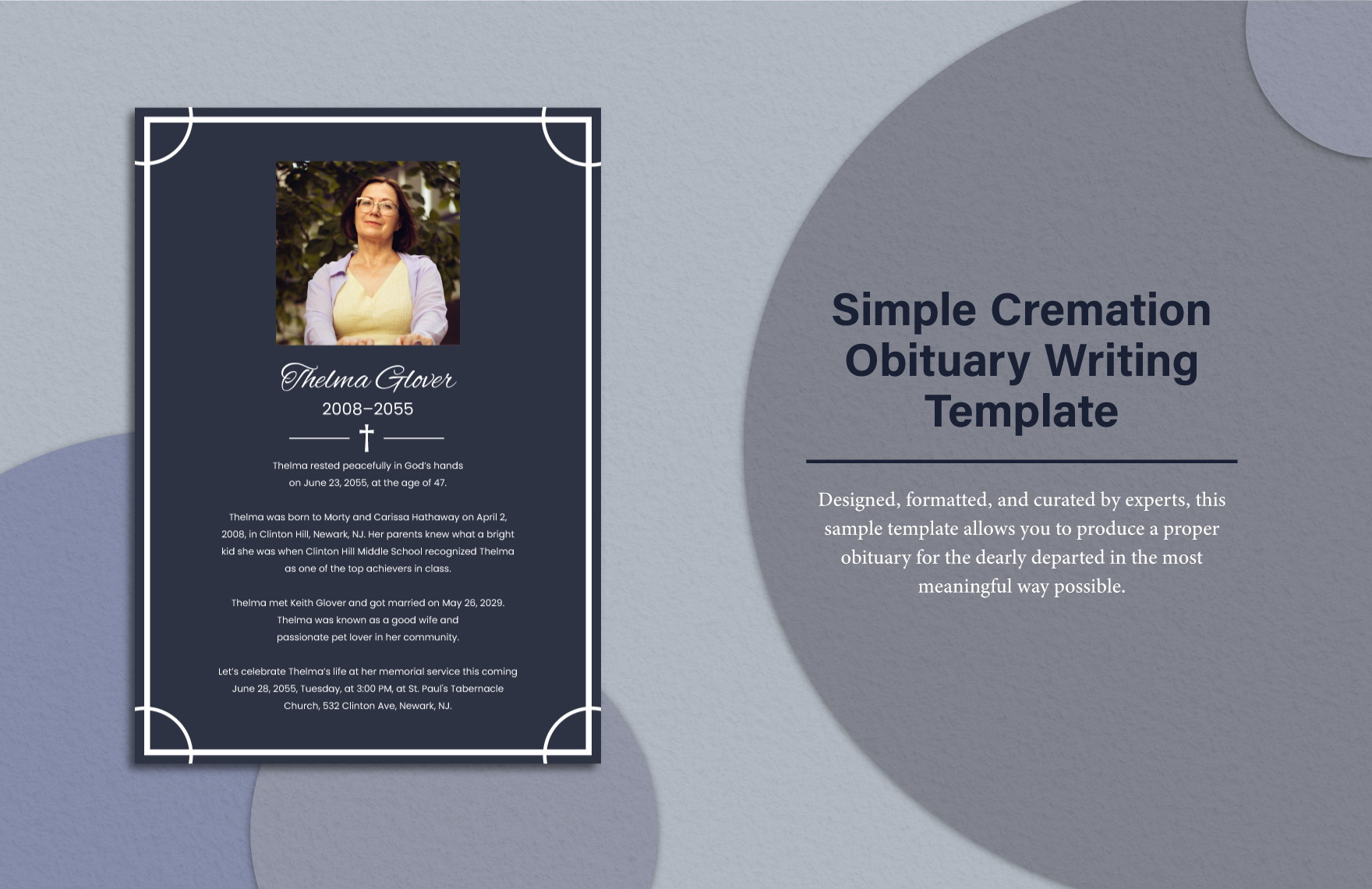
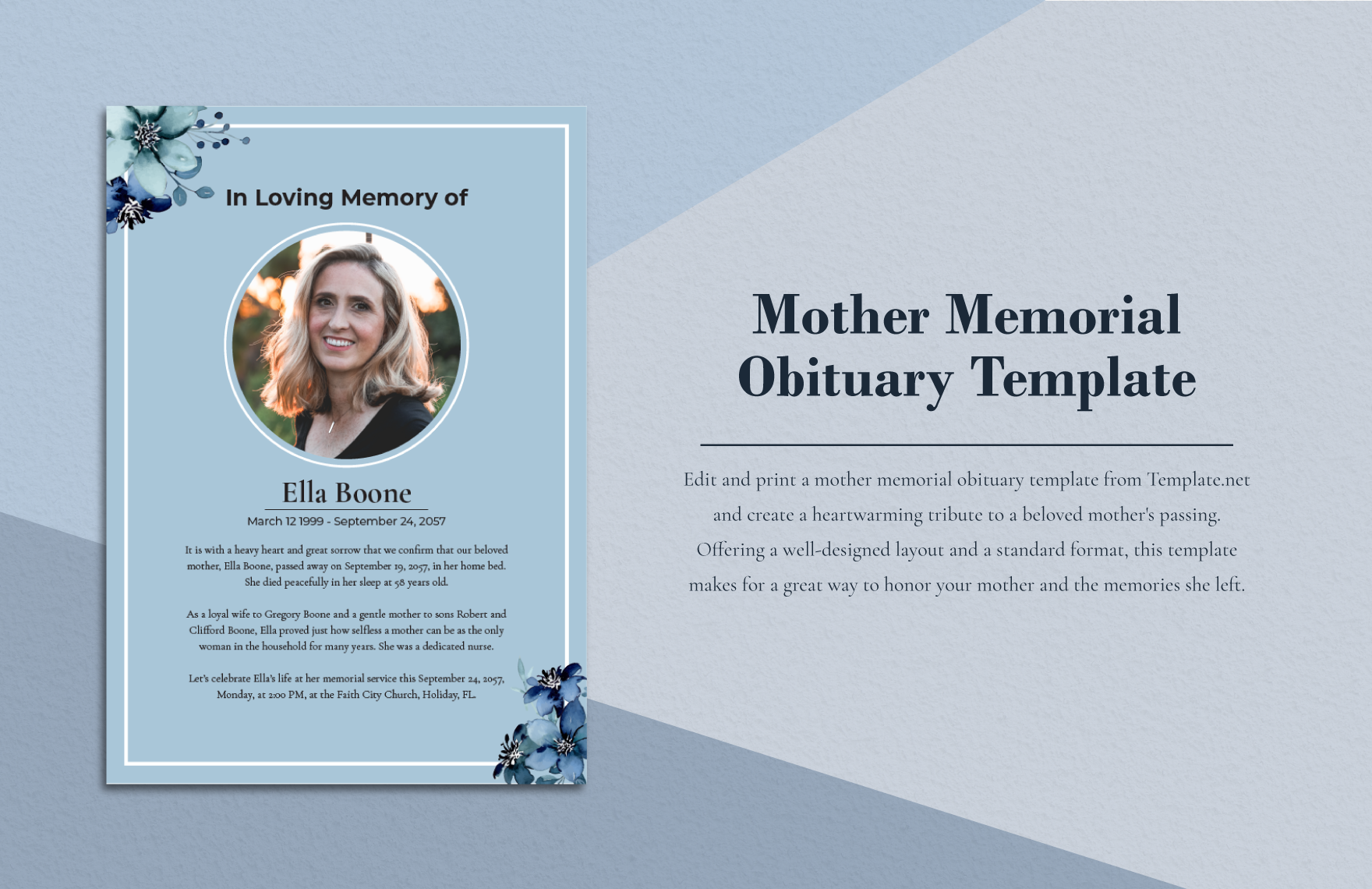
By definition, an obituary is a published notice that announces a person's death, typically featuring a brief biography, a summary of their life's accomplishments, and details regarding upcoming funeral or memorial services. Unlike a simple death notice—which merely states the name, age, and service details—an obituary is a narrative celebration of a person’s existence, character, and impact on their community.
Historically published in local newspapers, obituaries now frequently appear on funeral home websites and digital memorial platforms. They serve a practical purpose by informing friends and acquaintances of the passing while offering a lasting historical record of the individual's life.
Key Components of a Standard Obituary
While every life is unique, most traditional obituaries follow a recognizable structure. Knowing what elements to include ensures you do not leave out crucial information.
- The Announcement: The full name of the deceased, age, city of residence, and the date and location of death.
- Biographical Details: Date and place of birth, parents' names, and significant life milestones such as education, marriage, and career highlights.
- Surviving Family: Names of the spouse, children, siblings, grandchildren, and other close relatives, as well as predeceased family members.
- Service Details: Date, time, and location of the visitation, funeral service, celebration of life, or burial.
- Memorial Preferences: Instructions regarding floral arrangements or requests for charitable donations in the deceased's name.
Real-World Obituary Example
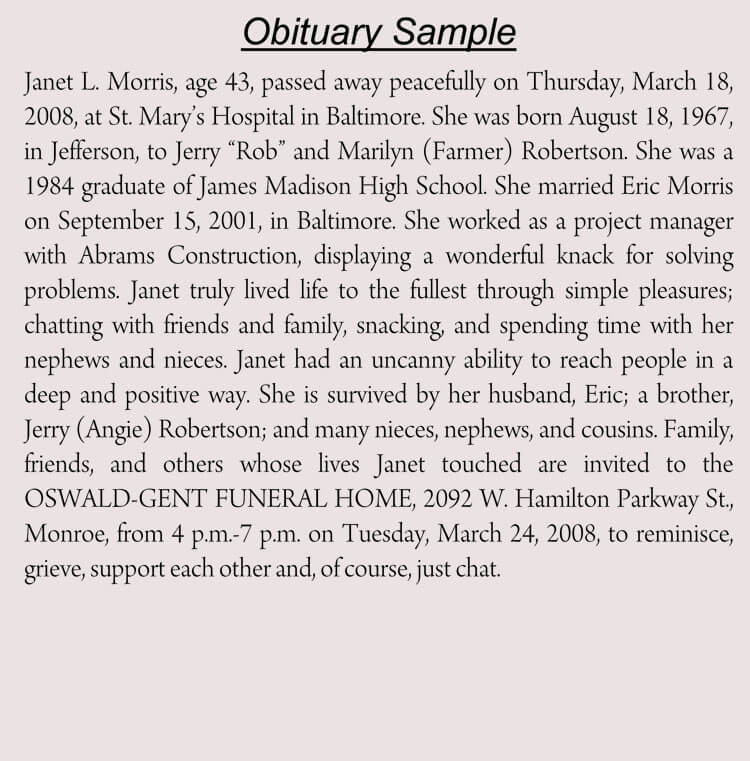
Reading a template in isolation can be abstract. Reviewing a complete, real-world obituary example provides a clear picture of how these elements come together harmoniously.
Sample Obituary Text
Margaret "Maggie" Rose Thompson, 78, of Springfield, Illinois, passed away peacefully on October 24, 2023, surrounded by her loving family.
Born on March 12, 1945, in Peoria, to John and Eleanor Vance, Maggie graduated from Springfield High School and earned her degree in Education from the University of Illinois. She dedicated over 35 years of her life to shaping young minds as an elementary school teacher at Lincoln Elementary, retiring in 2005. Her patience, warmth, and passion for reading inspired generations of students.
Outside of the classroom, Maggie was an avid gardener, an active member of Grace Community Church, and a devoted grandmother who never missed a soccer game or dance recital.
She is survived by her devoted husband of 55 years, Robert Thompson; her children, Michael (Sarah) Thompson and Emily (David) Chen; and her four cherished grandchildren, Liam, Chloe, Noah, and Zoe. She was preceded in death by her parents and her brother, Thomas Vance.
A visitation will be held on Friday, November 3, from 5:00 PM to 8:00 PM at Springfield Funeral Home. A celebration of life service will take place on Saturday, November 4, at 10:00 AM at Grace Community Church, followed by interment at Oak Ridge Cemetery.
In lieu of flowers, the family requests that donations be made to the Springfield Public Library Children's Reading Program in Maggie's honor.
Step-by-Step Guide to Writing an Obituary

If you are tasked with writing a tribute for someone special, breaking the drafting process into manageable steps can reduce stress.
1. Gather Essential Facts First
Before putting pen to paper, collect dates, proper spellings of family members' names, and official service times. Accuracy is critical, as correcting a published obituary later can be difficult and stressful.
2. Decide on Tone and Length
Consider the personality of the deceased. Was your loved one traditional and formal, or did they possess a vibrant, humorous spirit? The tone of the writing should reflect who they were. Additionally, check with the newspaper or publication regarding word counts and associated costs, which often dictate length.
3. Highlight Unique Passions and Achievements
Distinguish the narrative by focusing on what made the person truly special. Mention their hobbies, quirky catchphrases, volunteer work, or proudest accomplishments rather than just listing a chronological resume of life events.
4. Review and Edit
Ask a trusted friend or family member to proofread the draft. A fresh set of eyes can easily catch typographical errors, misspellings of names, or missing service details that you might overlook while grieving.
Frequently Asked Questions
What is the difference between a death notice and an obituary?
A death notice is typically a brief, paid announcement provided by a funeral home that states the basic facts of a death and service times. An obituary is a longer, narrative piece that includes a biography, personal anecdotes, and family details.
How much does it cost to publish an obituary?
Newspapers often charge by the word, line, or column inch, which can make print publication quite expensive. However, publishing an obituary on a funeral home's website or a dedicated online memorial platform is usually free or included in the funeral service package.
Is it mandatory to write an obituary?
No, writing an obituary is entirely optional. Some families prefer privacy and choose not to publish a public notice, opting instead to inform friends and family privately.