OH Timezone: What Time Is It in Ohio?
Understanding the OH Timezone

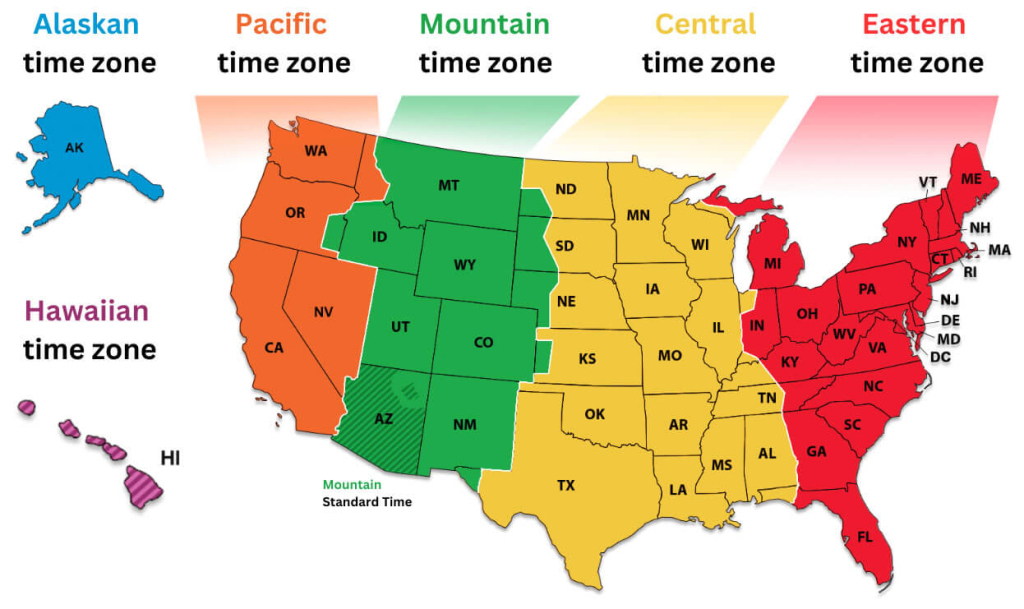
If you are planning a phone call, scheduling a virtual meeting, or booking travel, knowing the correct local time is essential. When people search for the OH timezone, they are looking up the official time zone for the U.S. state of Ohio. Practically the entire state of Ohio operates on Eastern Time, which makes scheduling across the eastern half of the United States remarkably straightforward.
Whether you are dealing with business operations in Columbus, Cleveland, or Cincinnati, staying synchronized with local time prevents missed appointments and scheduling errors. This guide breaks down everything you need to know about Ohio's time zone, its historical context, and how seasonal time changes affect the region.
Current Time Zone Details for Ohio
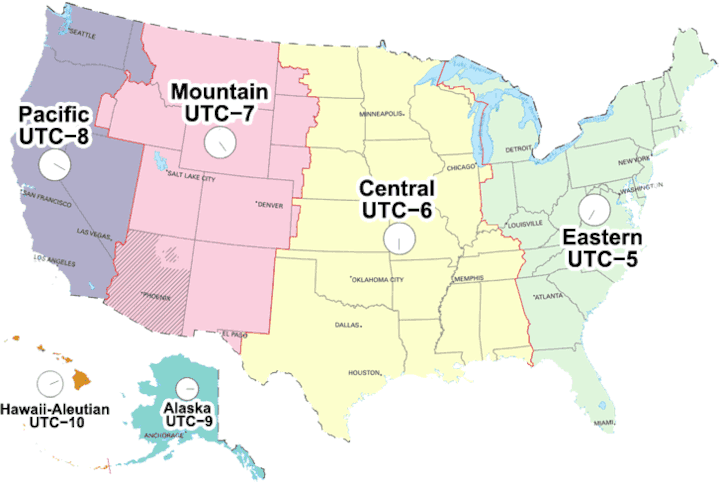
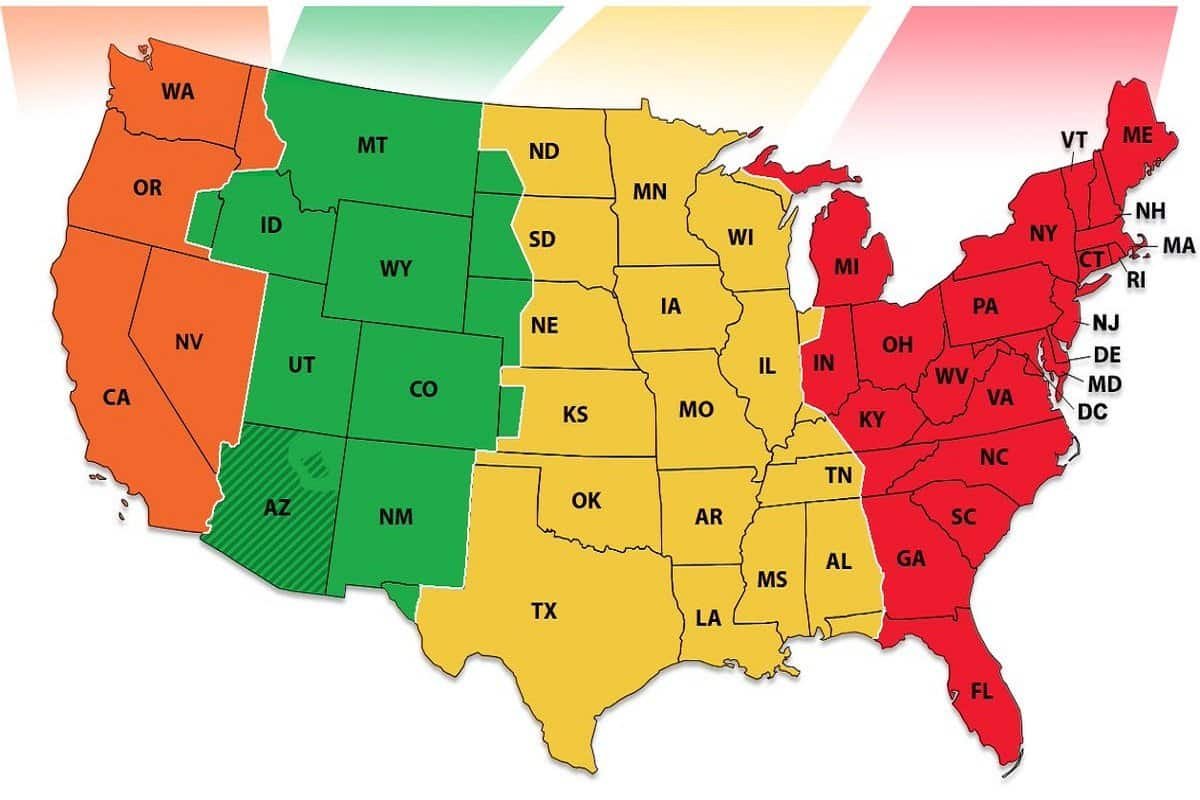
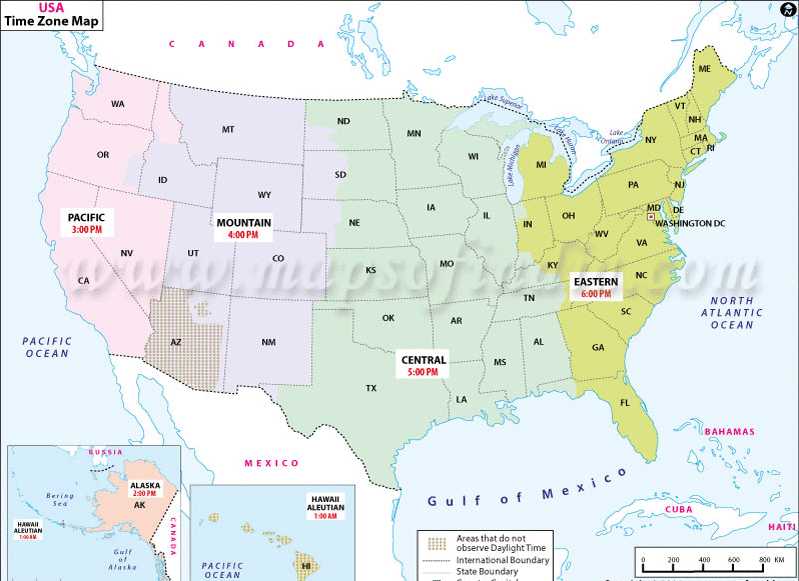
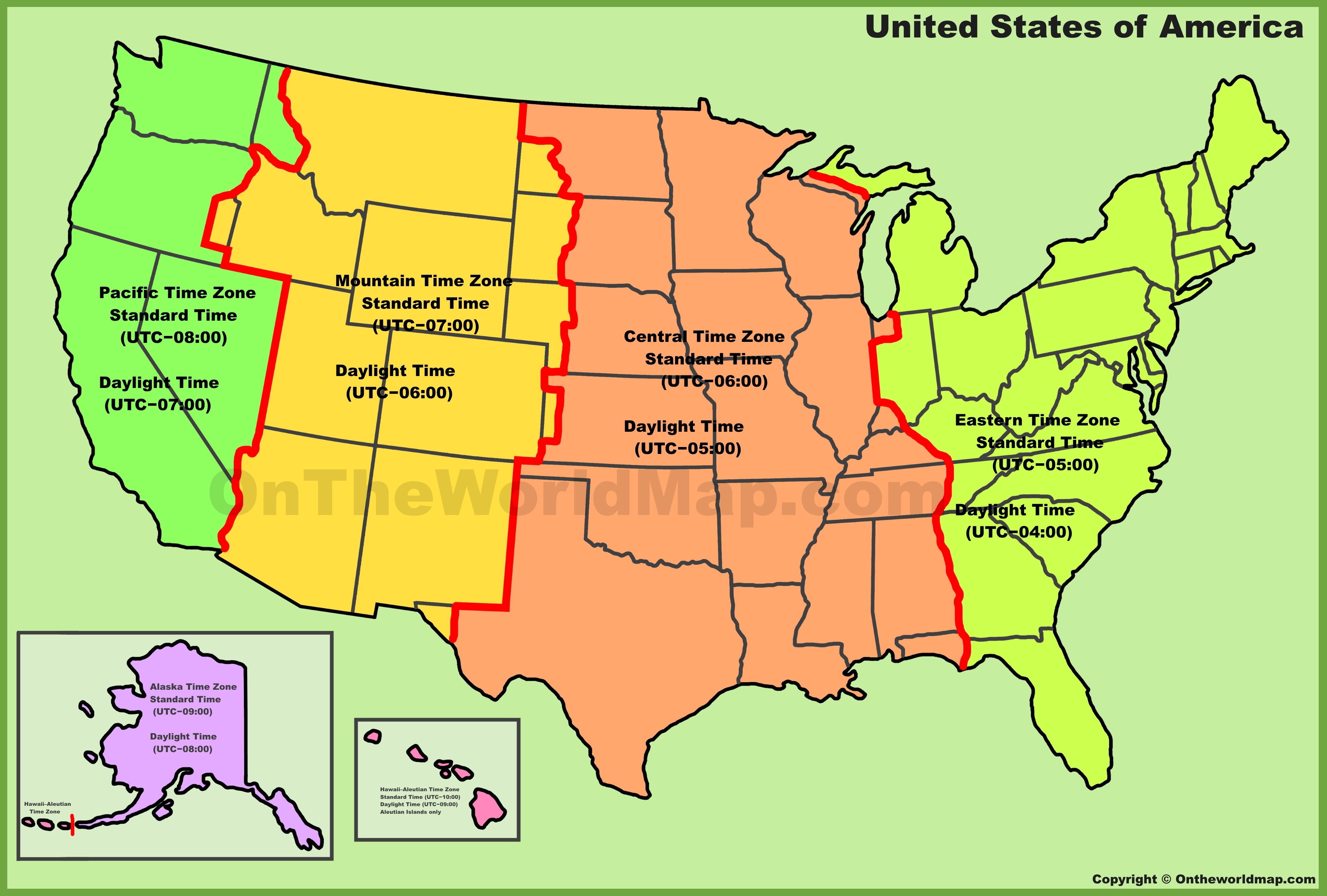
Ohio is situated entirely within the Eastern Time Zone (ET). Like most of the eastern United States, the state observes Daylight Saving Time (DST). This means the local time shifts twice a year, moving forward in the spring and falling back in the autumn.
Standard Time vs. Daylight Saving Time
To accurately calculate the OH timezone offset relative to Coordinated Universal Time (UTC) or Greenwich Mean Time (GMT), you must consider the time of year:
- Eastern Standard Time (EST): Observed from early November to mid-March. During this period, Ohio is 5 hours behind Coordinated Universal Time (UTC-5).
- Eastern Daylight Time (EDT): Observed from mid-March to early November. During this period, clocks are moved forward one hour, making Ohio 4 hours behind Coordinated Universal Time (UTC-4).
History of Ohio's Time Zone
Time zones in the United States were originally established by railroad companies in the 19th century to standardize schedules across long distances before being adopted federally by the Standard Time Act of 1918. Historically, a few tiny pockets near the Indiana border experimented with different time settings, but today, absolute uniformity exists across the Buckeye State. Every single county in Ohio observes Eastern Time.
How Ohio Time Compares to Other Regions
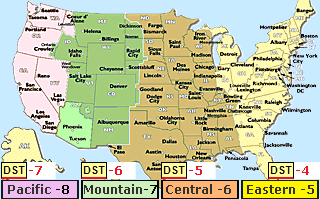
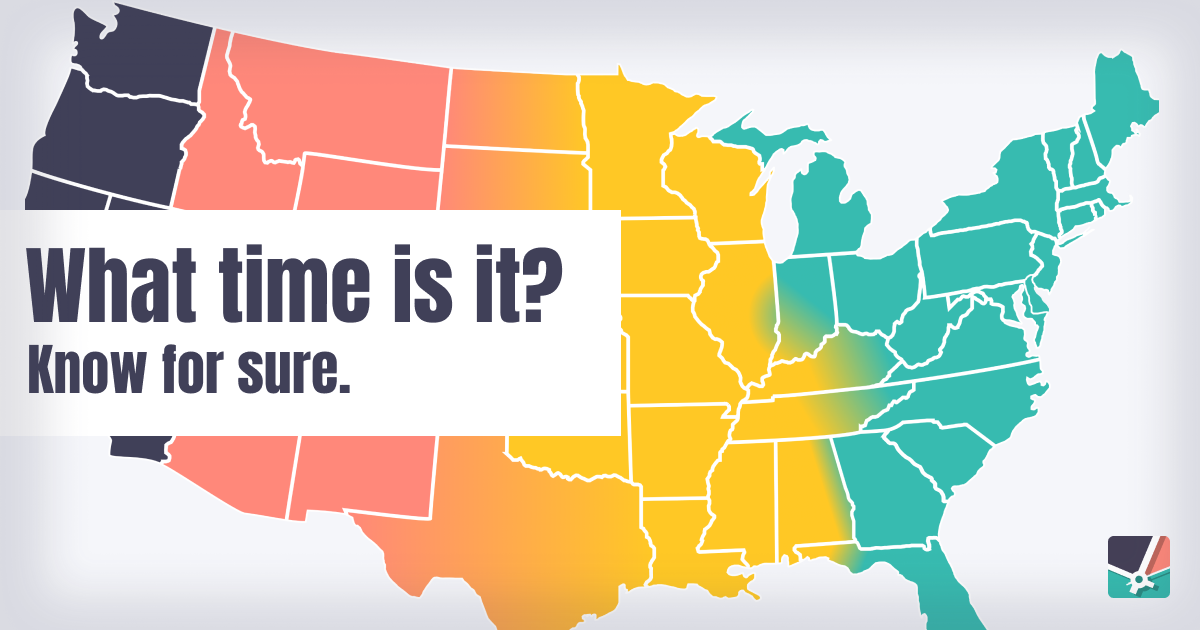
Because the OH timezone aligns with major financial and political hubs like New York, Washington, D.C., and Atlanta, coordinating across the eastern seaboard requires zero time conversion. However, managing schedules with other U.S. regions requires a bit of math:
- Central Time (CT): Ohio is 1 hour ahead of states like Illinois, Tennessee, and Texas. When it is 3:00 PM in Chicago, it is 4:00 PM in Ohio.
- Mountain Time (MT): Ohio is 2 hours ahead of states like Colorado and Arizona. When it is 1:00 PM in Denver, it is 3:00 PM in Ohio.
- Pacific Time (PT): Ohio is 3 hours ahead of West Coast states like California, Oregon, and Washington. When it is 12:00 PM (noon) in Los Angeles, it is 3:00 PM in Ohio.
Daylight Saving Time Rules in Ohio
Ohio follows the standard United States federal guidelines for Daylight Saving Time, which were established by the Energy Policy Act of 2005. The transitions occur on the following schedule:
- Spring Forward: On the second Sunday in March at 2:00 AM local time, clocks are pushed forward to 3:00 AM. This results in a shorter day with 23 hours.
- Fall Back: On the first Sunday in November at 2:00 AM local time, clocks are turned backward to 1:00 AM. This results in an extra hour, giving a 25-hour day.
Smartphones, computers, and digital devices handle these transitions automatically. However, analog clocks, wristwatches, and some older appliances must be adjusted manually.
Practical Tips for Scheduling Across Time Zones
When working with clients, colleagues, or family members in the OH timezone, a few best practices will ensure smooth communication:
- Use World Clock Tools: If you are planning international meetings, tools like World Time Buddy or Google Calendar can display multiple time zones side by side to avoid confusion.
- Double-Check DST Dates: Different countries start and end Daylight Saving Time on different dates. Always verify the exact date of the time change if you are scheduling across international borders during March or November.
- Specify the Time Zone: When sending calendar invites to people outside of Ohio, always include the zone abbreviation (e.g., EST or EDT) rather than just stating the hour.
By keeping these simple details in mind, managing appointments, travel itineraries, and live events tied to the OH timezone becomes effortless.