OJ Simpson Murder Pics: Trial Evidence Explained
On June 13, 1994, the bodies of Nicole Brown Simpson and Ronald Goldman were discovered outside a condominium on South Bundy Drive in Brentwood, Los Angeles. What followed was the most extensively televised, debated, and scrutinized legal battle in modern American history. Decades later, public interest in the forensic documentation remains intense. Searches for oj simpson murder pics often reflect not just morbid curiosity, but a desire to understand how visual evidence shaped two distinct verdicts: Simpson's acquittal in the 1995 criminal trial and his liability ruling in the 1997 civil suit.

Photographs played a pivotal role in every phase of the proceedings. From bloody footprints and discarded articles of clothing to graphic autopsy exhibits and paparazzi snapshots of designer footwear, the photographic record revealed both the strengths and the vulnerabilities of the prosecution's case.
Documenting the Bundy Drive Crime Scene
When Los Angeles Police Department (LAPD) officers and criminalists arrived at 875 South Bundy Drive, their initial responsibility was to photograph the scene before disturbing any evidence. Forensic photography serves as an objective, permanent record of a crime scene at a specific point in time, documenting:
- The exact positions of the victims relative to the condominium entrance and surrounding perimeter.
- A trail of bloody shoe prints leading away from the victims toward the rear alley.
- A single dark knit cap and a left-hand Aris Isotoner leather glove recovered near Goldman's feet.
- Blood drops located to the left of the footprint impressions, matching the perpetrator's stride.
- An envelope containing prescription eyeglasses belonging to Nicole's mother, Juditha Brown, which Goldman was returning.
While investigators took hundreds of photographs, the defense team later highlighted significant procedural gaps. Critics pointed out that certain evidence markers were moved before supplementary photos were captured, and close-up photographs of blood spatter lacked standardized measurement scales, laying the groundwork for doubt among the jurors.
The Role of OJ Simpson Murder Pics in the Courtroom
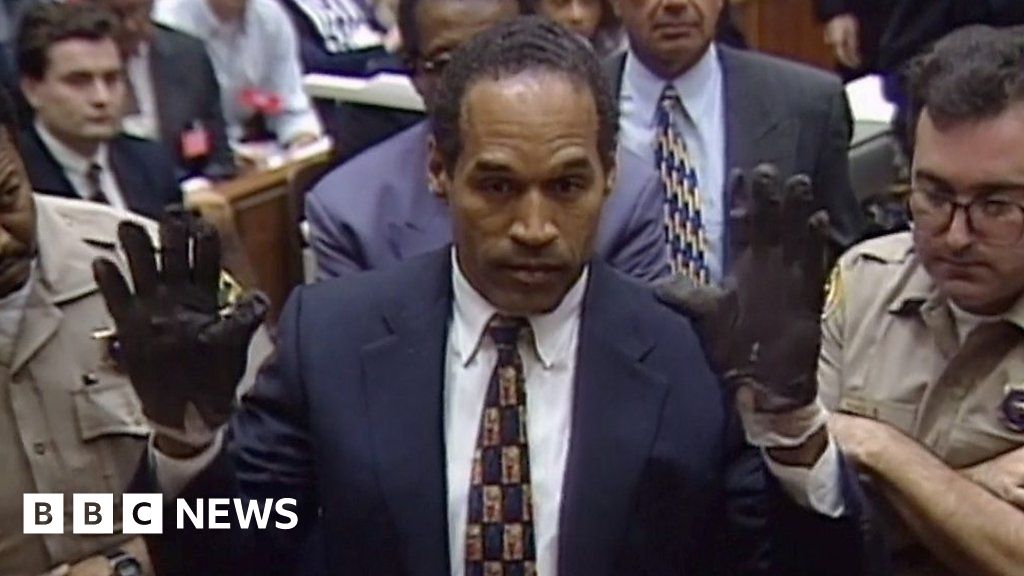
During the criminal trial, officially titled The People of the State of California v. Orenthal James Simpson, photographic evidence served as a central battleground between lead prosecutors Marcia Clark and Christopher Darden and Simpson's high-profile defense attorneys, known as the "Dream Team."
Presiding Judge Lance Ito instituted strict protocols regarding how sensitive images were displayed. While Court TV broadcast the courtroom proceedings daily to millions worldwide, Ito ordered that the television feed cut away to a fixed shot of the judge's bench or an empty seal whenever graphic autopsy photographs or direct pictures of the victims were displayed to the jury.
The prosecution introduced graphic images to demonstrate the brutality and anger behind the attack, arguing that the lethal knife wounds were inflicted with deep personal rage. However, this strategy carried legal risks. The defense argued that displaying excessively gruesome photos served primarily to inflame the jury's emotions rather than provide probative forensic value. In response, defense attorneys utilized photos of the crime scene to attack police competence, pointing out evidence of cross-contamination, such as blankets taken from inside the house placed over the bodies.
Crucial Photographic Exhibits That Defined the Trial
Beyond the immediate crime scene, several specific photographic exhibits became decisive moments in the courtroom saga.
1. The Bloody Glove and Socks
Photographs taken at Simpson's Rockingham estate showed a matching right-hand glove discovered by Detective Mark Fuhrman along a secluded walkway behind the guest house. Inside the home, criminalists photographed a pair of dark dress socks crumpled on the floor of the master bedroom. Forensic photos later revealed bloodstains on the socks that contained DNA matching Nicole Brown Simpson. The defense argued the stain pattern suggested the blood had been applied while the socks were lying flat, alleging police evidence planting.

2. Simpson's Physical Condition
Photographs taken of Simpson's hands shortly after his return from Chicago revealed cuts and abrasions on his left hand, particularly a laceration on his left middle knuckle. The prosecution argued this wound corresponded precisely with the blood drops found to the left of the shoe prints at Bundy. Simpson contended the cut occurred when he broke a drinking glass in a Chicago hotel room upon hearing news of his ex-wife's death.
3. The Bruno Magli Shoe Impressions
Forensic expert William Bodziak identified the bloody footprints at the murder scene as coming from a rare, expensive Italian shoe: a size-12 Bruno Magli model featuring a distinctive "Silga" sole pattern. During the 1995 criminal trial, Simpson denied ever owning such shoes, dismissing them as "ugly-ass shoes." At the time, the prosecution was unable to locate any photograph of Simpson wearing that specific footwear.
The Civil Trial and the Game-Changing Photos
Following Simpson's criminal acquittal in October 1995, the families of Nicole Brown Simpson and Ronald Goldman filed a wrongful death lawsuit. It was during this civil proceeding in late 1996 that photographic evidence delivered its most definitive blow.
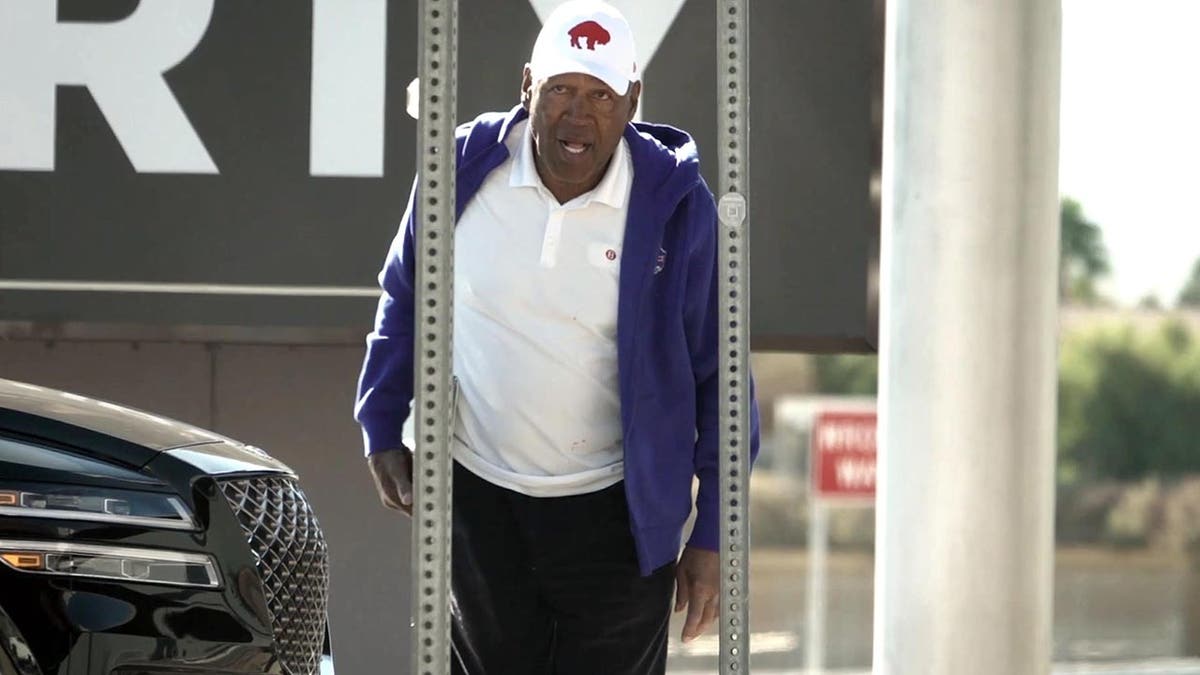
Attorney Daniel Petrocelli, representing the Goldman estate, received a tip regarding freelance photographer Harry Scull Jr. In 1993, Scull had photographed Simpson walking the sidelines at a Buffalo Bills football game. When analysts magnified Scull's negative, the images clearly showed Simpson wearing Bruno Magli shoes with the identical Silga sole design found at the murder scene.
Simpson's defense claimed the Scull photograph was a manipulated composite. However, Petrocelli and his team subsequently uncovered approximately 30 additional photographs from different photographers taken at various events throughout 1993 and 1994, all showing Simpson wearing the exact same rare shoes. This photographic proof severely damaged Simpson's credibility, contributing directly to the civil jury's unanimous $33.5 million liability verdict against him.
Forensic Photography Lessons from the Case
The handling, defense scrutiny, and eventual impact of the visual evidence in the Simpson trials prompted widespread reforms in forensic science and law enforcement procedures:
- Standardized Scaling: Forensic teams now routinely utilize photo scales (such as ABFO scales) in every photograph to prevent disputes over size, distance, and perspective.
- Digital Chain of Custody: Modern crime scene photography relies on secure, write-once storage and encrypted metadata to prove images have not been altered or tampered with.
- Strict Scene Preservation: The defense's attacks on LAPD handling led to rigorous protocols restricting personnel access to active scenes to eliminate potential contamination.
Conclusion
The photographic evidence associated with the OJ Simpson case remains among the most analyzed documentation in forensic history. While the graphic nature of the crime scene imagery initially shocked the public, the true legal weight lay in the forensic details: blood transfer patterns, shoe sole impressions, and incidental photographs that contradicted sworn testimony. Together, these images illustrated how visual documentation can both complicate a criminal trial and definitively resolve a civil one.