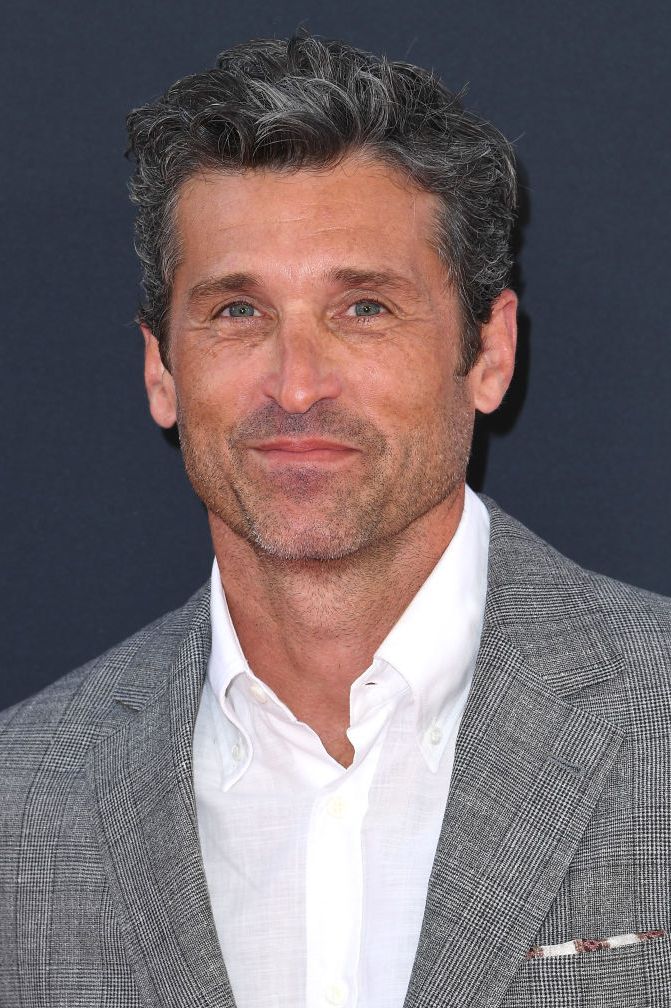
Older White Male Actors Over 60
Introduction: Redefining Aging in Hollywood
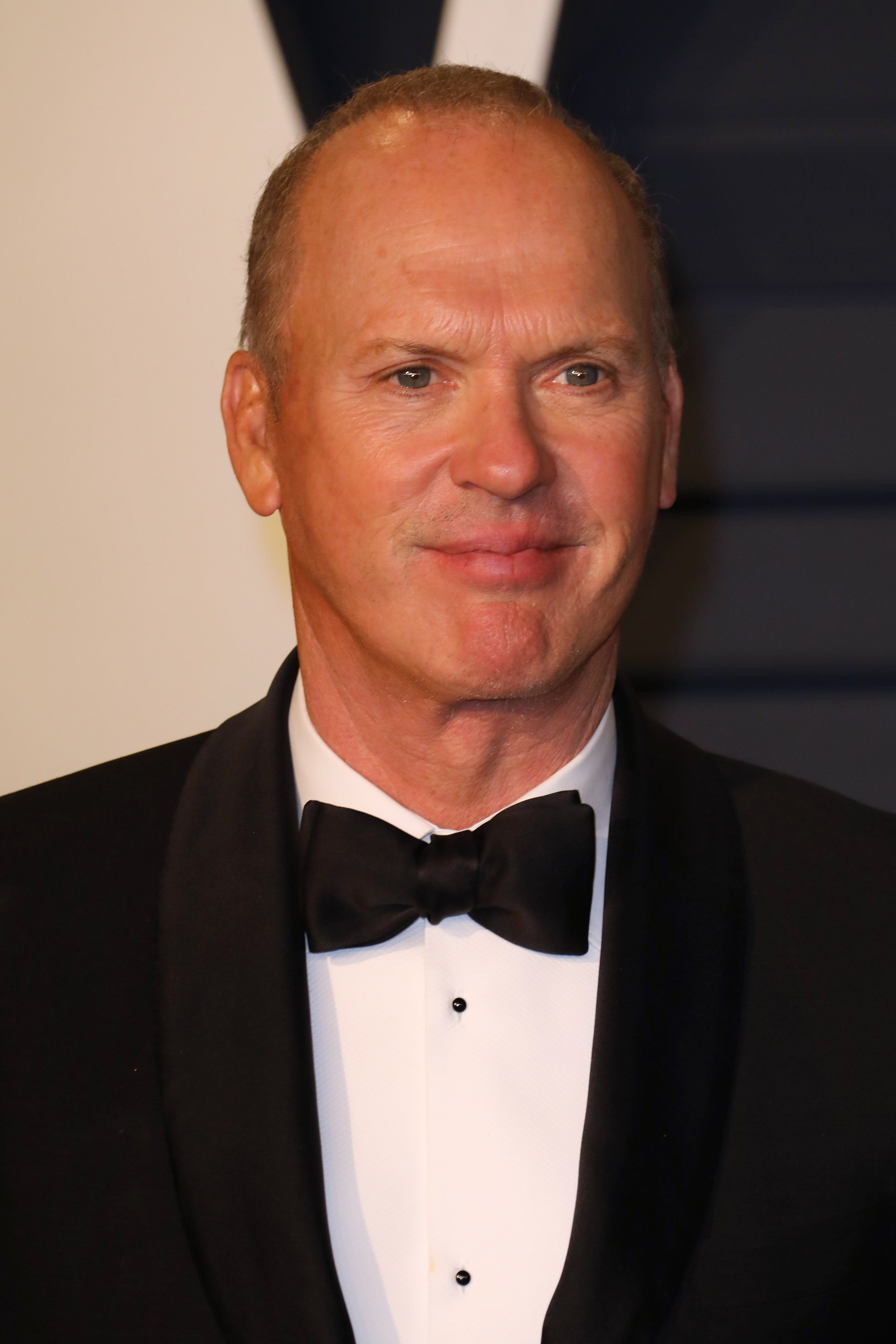
For decades, the standard trajectory for leading men in Hollywood followed a predictable, albeit frustrating, bell curve. Actors hit their stride in their thirties and forties, only to see viable leading roles dwindle significantly once they crossed the half-century mark. However, the entertainment landscape has shifted dramatically. Today, the phrase 'The Future is Now: Older White Male Actors Over 60' captures a powerful reality in modern cinema and television: veteran actors are not fading into retirement; they are entering the most lucrative, critically acclaimed, and culturally relevant chapters of their professional lives.
This longevity is not merely a byproduct of nostalgia casting or token cameos. Instead, it reflects a broader industry reckoning with audience demographics, streaming-era content demands, and the undeniable box-office pull of seasoned talent. From complex streaming dramas to blockbuster action franchises, actors in their sixties, seventies, and beyond are proving that depth, lived experience, and technical mastery only improve with time.
The Shift in Hollywood’s Demographic Priorities
Studio executives and streaming platforms have realized that the primary consumers of high-end prestige television and theatrical releases skew older, but younger demographics are also embracing authentic, complex storytelling. This realization has fundamentally altered casting dynamics.
Streaming Platforms and Prestige Television
Cable networks and streaming giants like Netflix, HBO, Apple TV+, and Amazon Prime Video have revolutionized opportunities for mature actors. Unlike traditional network television, which historically chased the elusive 18-to-34 demographic, streaming services thrive on niche loyalty and prestige branding. This business model demands nuanced character studies, sprawling crime sagas, and intricate political thrillers—genres where older actors naturally excel.
Furthermore, limited series and multi-season arcs allow actors to develop deep, multifaceted characters that a standard two-hour film rarely permits. When studios invest in complex narratives, they rely on performers who bring decades of craft and public goodwill to the screen.
From Supporting Roles to Franchise Anchors
Historically, older actors transitioned into the 'wise mentor' or 'grumpy grandfather' archetype. While those roles still exist, modern writers and directors are subverting them. Today’s actors over 60 are headlining major action franchises, anchoring science fiction epics, and driving romantic comedies that reflect mature relationships.

Consider how action cinema has evolved. Stunt coordination and digital technology have made it possible for veteran stars to remain physical leads well past traditional retirement age, blending physical presence with the emotional gravity that only decades of experience can provide.
Key Factors Driving Career Longevity
Several industry and cultural shifts explain why actors over 60 are experiencing an unprecedented career renaissance:
- Increased Creative Control: Many veteran actors now establish their own production companies, allowing them to develop, finance, and star in passion projects tailored to their exact strengths.
- Global Audiences: International box offices often prioritize recognizable stars with multi-decade track records over unproven younger talent, making seasoned actors invaluable international commodities.
- The Prestige Factor: Awards bodies and film festivals increasingly recognize that mature performances often tackle complex themes of mortality, legacy, and redemption, which resonate deeply with voters.
- Audience Identification: As the global population ages, viewers increasingly want to see characters who reflect their own life stages, struggles, and triumphs on screen.
The Economic Impact of Mature Stars
The argument for casting older actors is not purely artistic; it is fundamentally economic. Box-office tracking consistently demonstrates that films anchored by established veteran actors enjoy strong opening weekends and exceptional long-tail legs through word-of-mouth. Older audiences remain the most reliable theatrical ticket-buyers, consistently supporting projects that feature actors they have grown up alongside.
Moreover, the crossover appeal of these stars helps bridge generational divides. Younger viewers, introduced to veteran actors through viral social media moments, retrospective streaming binges, or franchise reboots, often discover older filmographies, creating a continuous loop of cultural relevance.
Looking Ahead: The Future of Acting
As the entertainment industry continues to evolve, the boundaries defining career longevity will keep expanding. The outdated notion that an actor’s peak occurs before age fifty is rapidly becoming obsolete. By embracing authenticity, demanding complex material, and leveraging the power of streaming distribution, today's veteran actors are setting a new standard for longevity in the arts.
Ultimately, the prominence of these seasoned performers proves that great storytelling transcends age. As long as audiences crave depth, emotional resonance, and masterful performances, actors over 60 will remain at the very center of the cinematic universe.