Olympia Pet Emergency: Immediate Care Guide
When you face an olympia pet emergency, seconds matter. Whether your dog swallowed a foreign object at Priest Point Park or your cat suddenly collapsed at home, knowing how to react before you leave the house can save your pet’s life. Veterinary emergencies are terrifying, but taking systematic, calm action ensures your animal receives the critical care they need without dangerous delays.
Immediate Steps During an Olympia Pet Emergency
Before you jump in the car, take sixty seconds to perform three essential actions:
- Call the emergency clinic ahead of time: Emergency veterinary teams need time to prepare oxygen cages, surgical suites, or blood products. Giving them a 10-to-15-minute warning ensures a triage technician meets you at the door.
- Protect yourself from defensive bites: Even the gentlest dog or cat can bite when in severe pain or shock. Use a towel to gently wrap a distressed cat or small dog, and consider a temporary fabric muzzle for a dog—unless they are vomiting or having difficulty breathing.
- Stabilize before moving: If you suspect spinal trauma or a fracture, slide your pet onto a firm board, heavy blanket, or rigid pet carrier to prevent further injury during transit.
Emergency vs. Urgent Care: How to Triage Your Pet
Not every veterinary crisis requires a full-scale trauma center, but many do. Understanding the difference between acute life threats and semi-urgent conditions helps you make the right choice when local clinics are at high capacity.
Critical Signs Requiring Immediate Emergency Care
If your pet shows any of the following red-flag symptoms, do not wait for your primary care veterinarian to open tomorrow. Head immediately to the nearest 24/7 emergency hospital:
- Severe respiratory distress: Open-mouth breathing in cats, blue or pale gums, choking, or loud, raspy breathing.
- Unproductive retching and abdominal distension: A firm, swollen stomach accompanied by pacing and failed attempts to vomit is classic for Gastric Dilatation-Volvulus (GDV or “bloat”), which is fatal within hours without surgical intervention.
- Inability to urinate: Straining in the litter box with little to no urine produced (especially in male cats) indicates a life-threatening urethral blockage.
- Neurological collapse: Seizures lasting longer than three minutes, multiple clusters of seizures, loss of balance, or sudden paralysis in the hind legs.
- Major blunt-force trauma: Hit-by-car incidents, severe animal attacks, or falls from high decks, even if no external blood is visible. Internal hemorrhaging is common and silent.
- Known toxic ingestions: Rodenticide (rat poison), human medications, antifreeze, lilies (for cats), xylitol/birch sugar, or dark baker’s chocolate.
Issues That Can Typically Wait for Same-Day Urgent Care
While uncomfortable, some conditions can be treated at a daytime urgent care facility or through a fit-in slot at your regular clinic:
- Mild ear infections or localized skin hotspots.
- Single episodes of vomiting or diarrhea where the animal remains bright, alert, and hydrated.
- Minor limping without an obvious deformity or open wound.
- Superficial cuts that have stopped bleeding.
Where to Go: Emergency Veterinary Facilities in the South Sound
Olympia and the broader Thurston County area have dedicated emergency and specialty facilities. Always call to verify current intake status, as staffing and case capacity can fluctuate.
Olympia Veterinary Specialists (OVS)
Located on Pacific Avenue in Olympia, OVS operates a 24-hour emergency department alongside specialty services like surgery, internal medicine, and oncology. They are equipped to handle complex medical emergencies, intensive care hospitalizations, and advanced diagnostics like CT scans.
MedVet Western Washington / Lacey
Video: Olympia Pet Emergency moving back to Lacey
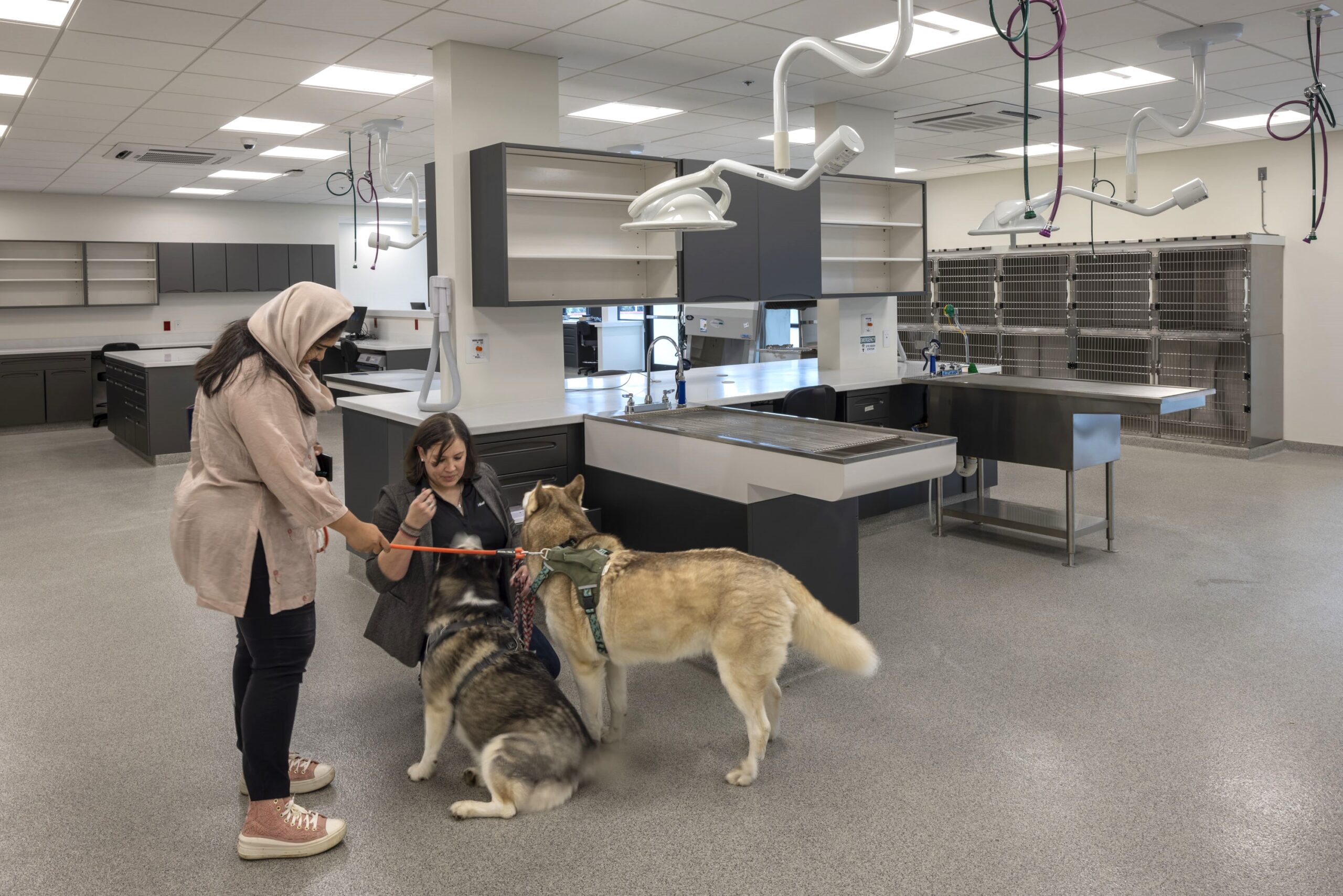
Located just off Pacific Avenue in Lacey, MedVet provides round-the-clock emergency triage and critical care. They have dedicated trauma suites and handle critical stabilization, toxicities, and urgent soft-tissue surgeries.
Regional Backups (Tacoma and Centralia)
During severe weather events or regional capacity surges, you may be redirected north along the I-5 corridor toward Tacoma (such as BluePearl Pet Hospital or Summit Veterinary Referral Center). If traveling north on I-5 during peak traffic, factor transit time into your decision and update the receiving hospital on your estimated arrival.
How to Safely Transport an Injured Pet
Moving a critically ill animal requires care to prevent making the injury worse or causing cardiovascular collapse.
Keep the vehicle temperature moderate. Shock often causes hypothermia, so keep your pet warm with a light blanket, but avoid direct hot packs that can burn fragile skin. If your pet is struggling to breathe, ensure the vehicle is cool and well-ventilated, and keep their head and neck gently extended in a neutral position.
For cats and small dogs, transport them in a secure carrier with the top removed or unzipped so you can access them without forcing them through a narrow door. For large dogs, use two people to lift the dog using a taut blanket as an improvised stretcher. Secure the animal in the back seat so sudden braking does not cause a secondary collision.
What to Expect Upon Arrival at the ER Vet
Emergency veterinary hospitals operate on a human-style triage model, not a first-come, first-served basis. The most unstable patients are seen first.
When you walk through the doors, a credentialed veterinary technician will assess your pet’s vital signs: gum color, heart rate, respiratory effort, and mental status. If your pet is in critical condition, the team will ask for permission to immediately take them to the “treatment back” to administer oxygen, place an intravenous catheter, and begin stabilization.
You will be asked to sign an authorization for stabilization and provide a deposit. Emergency veterinary medicine requires intensive staffing, immediate diagnostic labs, and advanced medications, making it more expensive than routine wellness visits. If you carry pet health insurance, retain all itemized invoices and doctor’s notes, as emergency services are typically reimbursed after payment.
Building an Olympia-Specific Pet Emergency Plan
Preparedness removes panic from high-stress situations. Take twenty minutes this week to set up your home response plan:
- Program numbers now: Save the phone numbers and street addresses of local Olympia and Lacey emergency hospitals into your mobile phone under “Emergency Vet.”
- Save poison control contacts: Keep the ASPCA Animal Poison Control Center (888-426-4435) or Pet Poison Helpline (855-764-7661) accessible. Note that consultation fees generally apply, but the case number they provide allows your ER vet to immediately access toxicologist treatment plans.
- Assemble a pet first-aid kit: Include self-adhesive bandages (Vetrap), sterile gauze pads, antiseptic wash (chlorhexidine), digital thermometer, sterile saline eye flush, slip leashes, and blunt-ended bandage scissors.
- Digitize medical records: Keep a digital copy of your pet’s vaccine history, current medications, and baseline bloodwork on your phone or in cloud storage to share with emergency clinicians.
Having a clear plan ensures that if a crisis strikes, your focus remains entirely on comfort, safety, and swift medical care.