Onesie Outline Customization Options for Online Baby Stores and Marketplaces
The personalized infant apparel market continues to experience rapid growth, driven by parents, grandparents, and gift-givers searching for unique nursery essentials. In this competitive landscape, offering onesie outline customization options for online baby stores and marketplaces has shifted from a novelty feature to an essential revenue driver. Providing clear visual outlines and interactive design boundaries empowers shoppers to personalize baby bodysuits with precision, directly boosting customer confidence and conversion rates while lowering return rates.

Understanding Onesie Outline Customization in Modern E-Commerce
In digital retail, "outline customization" operates on two distinct levels: technical product configuration and decorative visual design. From a functional perspective, outline customization refers to the interactive wireframes and bounding boxes that guide shoppers when positioning graphics, monograms, or text on a digital canvas. From an artistic perspective, it describes line-art illustrations, minimalist vector silhouettes, and embroidery contours that shoppers can customize with custom names, dates, or color fills.
Whether you manage a boutique Shopify storefront or a high-volume vendor profile on Etsy or Amazon Handmade, implementing reliable outline customization creates a bridge between digital preview and physical manufacturing. It establishes clear boundaries for print-on-demand (POD) setups, screen printing, and direct-to-garment (DTG) production.
Onesie Outline Customization Options for Online Baby Stores and Marketplaces
To satisfy a wide demographic of shoppers, e-commerce merchants must consider diverse outline customization methods. Here are the core formats top baby brands implement:
1. Interactive Vector Bounding Zones
Interactive vector outlines display the physical silhouette of the onesie—including necklines, snap closures, and seam margins. Within this preview, stores define safe print areas using contrasting dashed or dotted outline zones. Shoppers can upload artwork or input custom typography while the software automatically constrains the design within safe production limits. This prevents designs from clipping into seams or printing too low on the infant's torso.
2. Minimalist Line-Art and Contour Graphics
Minimalist aesthetic trends dominate contemporary nursery style. Popular graphic outline options include:
- Ultrasound Line Outlines: Converting sonogram photos into single-line vector art that can be stamped on the chest.
- Family Silhouette Profiles: Continuous-line drawings of parents holding a newborn.
- Botanical and Animal Contours: Delicate floral or safari animal outlines framing the infant’s name or birth statistics.
- Birth Flower and Constellation Frames: Subtle line-art vectors customized to match the baby's birth month or zodiac sign.
3. Structural Garment Style Outlines
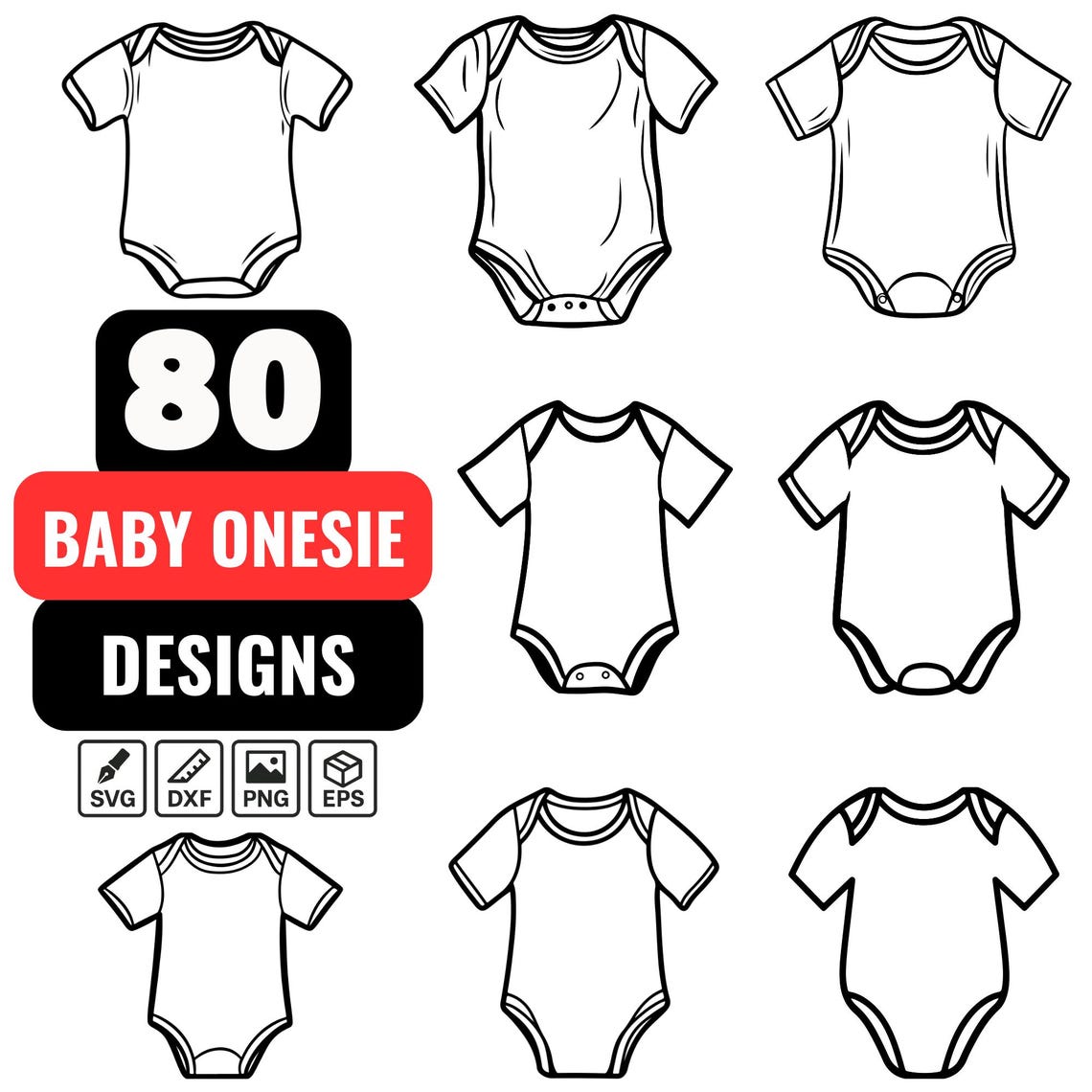
Not all baby bodysuits share the same cut. Marketplaces that allow customers to select the foundational garment rely on structural outlines to illustrate the physical silhouette before design application begins. Common options include:
- Envelope Lap-Neck Outlines: The classic expandable shoulder construction.
- Kimono / Cross-Front Wrap Outlines: Side-snap configurations popular for newborns to protect healing navels.
- Sleeveless and Tank Bodysuits: Outlines tailored for summer collections.
- Footed and Long-Sleeve Variants: Layered silhouettes displaying sleeve print safe-zones.
4. Monogram, Lettering, and Embroidery Border Contours
For high-end boutiques offering custom embroidery or appliqué, outline borders serve a tactile purpose. Merchants can offer customized satin-stitch borders, scalloped applique frames, or collegiate varsity letter outlines. Giving buyers control over outline thickness, thread hue, and interior fill colors produces a premium, bespoke feel that commands higher retail pricing.
Technical Integration: Software and Platform Options

Executing smooth outline customization requires the right technological stack. Online merchants must balance mobile responsiveness with robust back-end production workflows.
Configurator Plugins and Standalone Apps
Platforms like Shopify, WooCommerce, and BigCommerce support dedicated product customization plugins (such as Kickflip, Customily, Zakeke, and Teeinblue). When configuring onesie templates within these tools, ensure your assets meet the following standards:
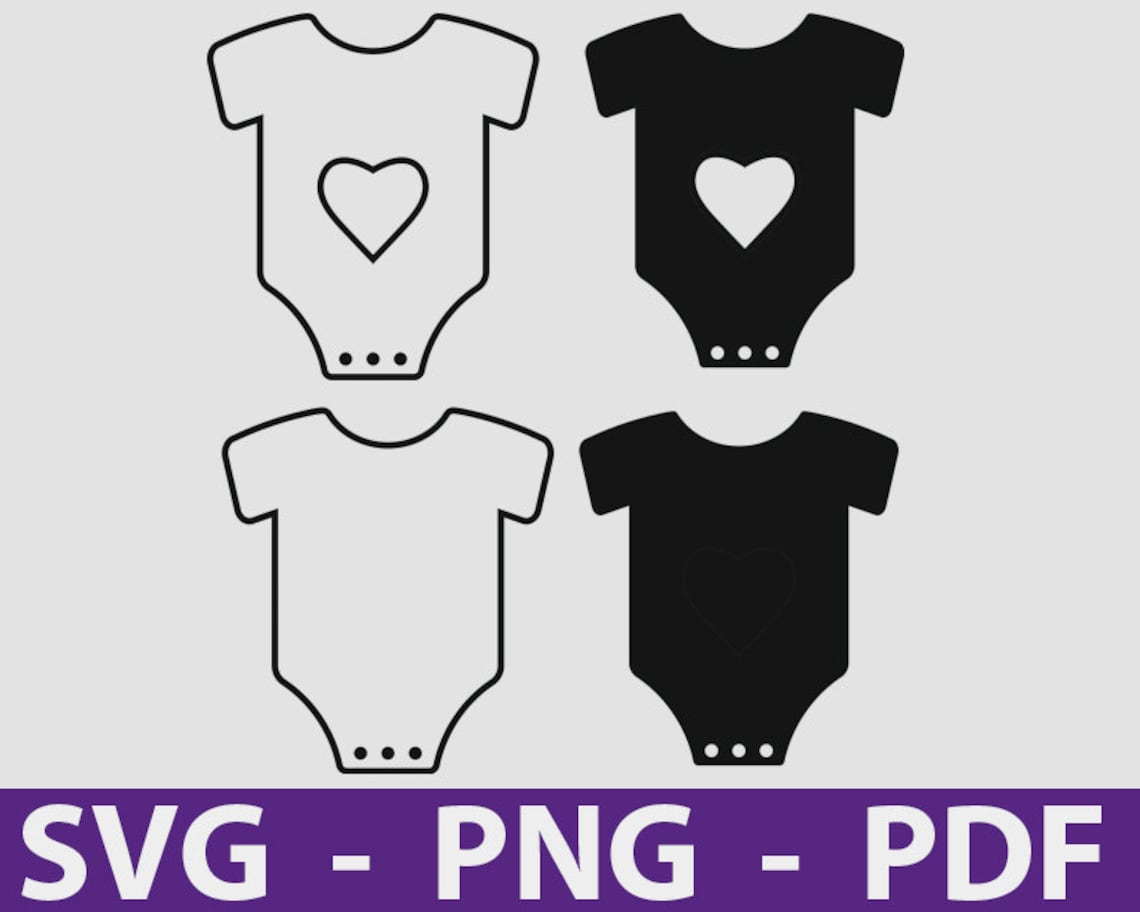
- Scalable Vector Graphics (SVG): Use SVGs for onesie outlines rather than low-resolution PNGs. SVGs retain crisp lines across all zoom levels and screen resolutions.
- Transparent Layer Stacking: Structure your canvas into three distinct layers: base onesie fabric (bottom), customizable artwork area (middle), and garment seam/shadow overlay (top) for realistic previews.
- Automated Print-Ready Output: Ensure the software generates 300 DPI vector PDFs or high-resolution TIFF files mapped 1:1 to your manufacturing print boards.
Marketplace API Integrations
Marketplaces like Etsy and Amazon Handmade have limited native interactive customizers. To bridge this gap, many sellers use external rendering engines that generate instant proof mockups via automated messaging or utilize tools like Etsy Customization fields paired with automated POD fulfillment webhooks.
Safety, Compliance, and Production Realities
Customizing infant apparel requires stricter quality controls than standard adult apparel. Baby clothing touches sensitive skin and must withstand frequent high-temperature washing.
Ink and Print Safety Standards
Online baby stores must adhere to the Consumer Product Safety Improvement Act (CPSIA) in the United States or equivalent international standards (such as REACH in Europe). When printing custom graphic outlines, ensure your printing partners utilize OEKO-TEX Standard 100 Class I certified water-based inks, which are free from harmful phthalates, heavy metals, and toxic solvents.
Embroidery Backing and Scratch Protection
If your store features monogram or outline embroidery, always incorporate a soft, fusible backing (often called "Cloud Cover" or baby-soft interlining) over the back of the stitched area. Raw embroidery stitches can irritate delicate infant skin, leading to customer complaints and negative marketplace reviews.
Best Practices to Boost Conversions and Minimize Returns
Personalized products cannot easily be restocked or resold, making error reduction critical for maintaining healthy margins.
- Keep Mobile Usability Paramount: More than 70% of online baby gifts are purchased on smartphones. Ensure outline customizers feature pinch-to-zoom, large tap targets, and frictionless text-input fields.
- Lock Proportions by Default: Prevent shoppers from accidentally stretching or distorting vector outlines by enforcing uniform scaling on text and image uploads.
- Provide Clear Print Tolerance Disclaimers: While vector previews look mathematically sharp, fabric shifts during printing. Display a subtle disclaimer noting that physical placement may vary by 0.25 to 0.5 inches relative to the digital outline.
- Include Automated Spelling Checks: Prompt shoppers with a confirmation modal reviewing their customized text before final checkout to eliminate costly typos.
Final Thoughts
Implementing targeted onesie outline customization options for online baby stores and marketplaces enables e-commerce brands to tap into the lucrative emotional gifting market. By pairing clean visual outlines with dependable configurator software, safe production standards, and intuitive mobile interfaces, retailers can build a scalable, high-margin personalized apparel business that earns long-term customer trust.