Onslow Register of Deeds: Guide & Services
Navigating county government offices can feel overwhelming, but understanding how to utilize the Onslow Register of Deeds makes processes like buying a home, tracing genealogy, or obtaining vital records much simpler. Located in Onslow County, North Carolina, this office serves as the official repository for a wide variety of legal documents, real estate transactions, and vital statistics.
Whether you are a first-time homebuyer, a local business owner, or someone researching family history, knowing what services the office provides and how to access them saves both time and hassle. Below is a comprehensive guide to utilizing the resources available through the department.
Understanding the Onslow Register of Deeds Office
The primary function of the Register of Deeds is to record, preserve, and provide public access to land records and vital statistics. Unlike the court system, which handles litigation and criminal records, the Register of Deeds focuses on administrative documentation that affects property ownership and personal milestones.
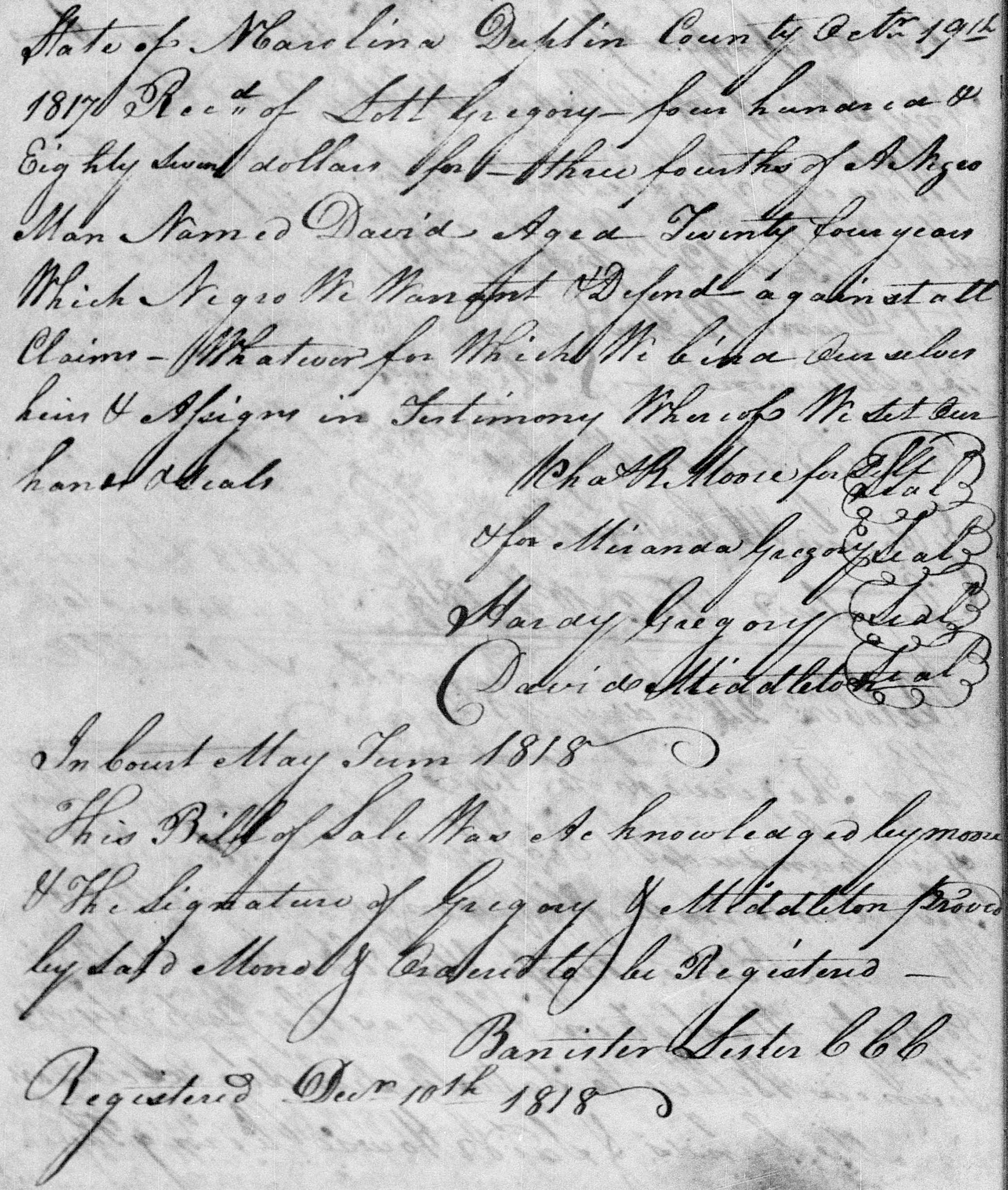
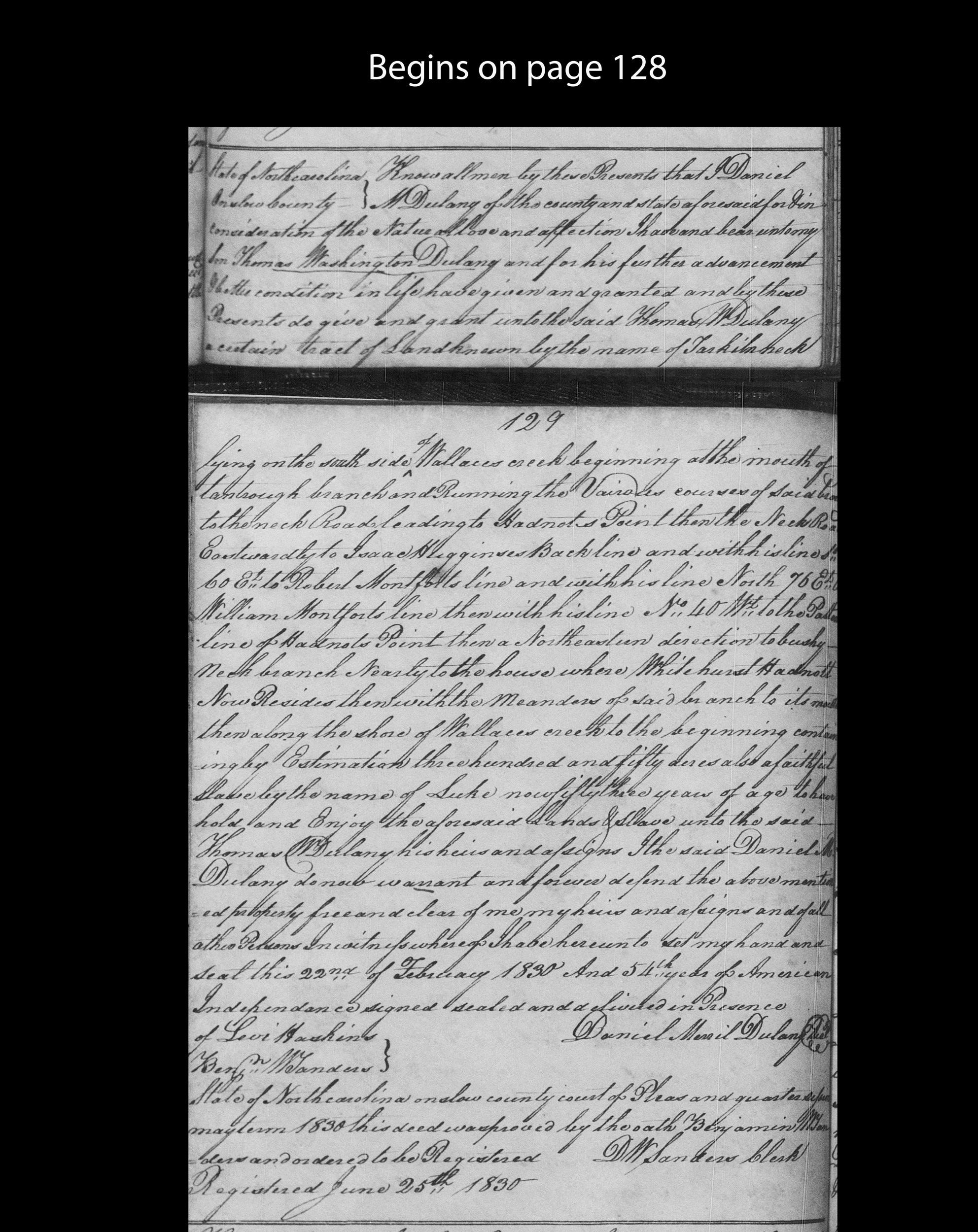
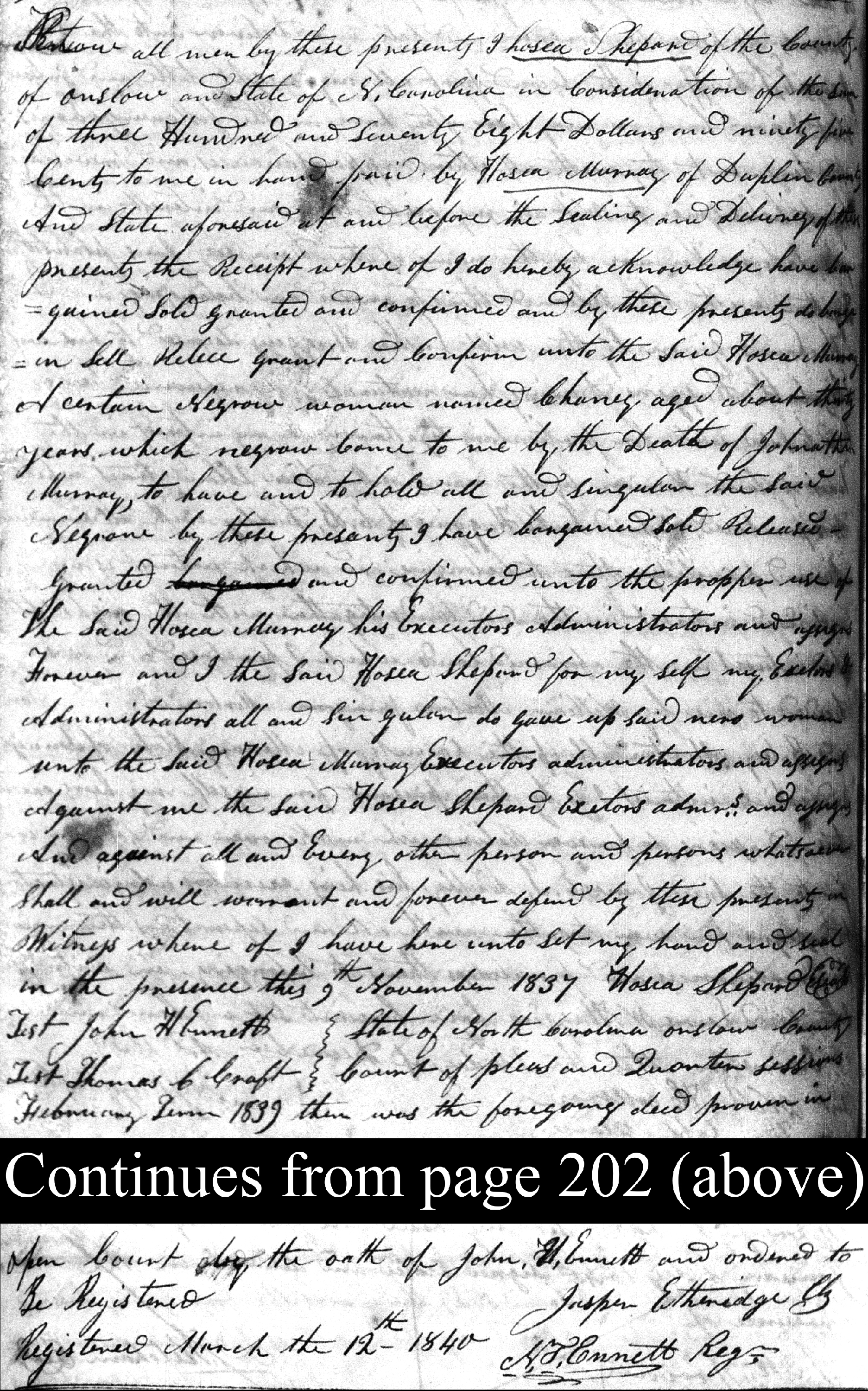
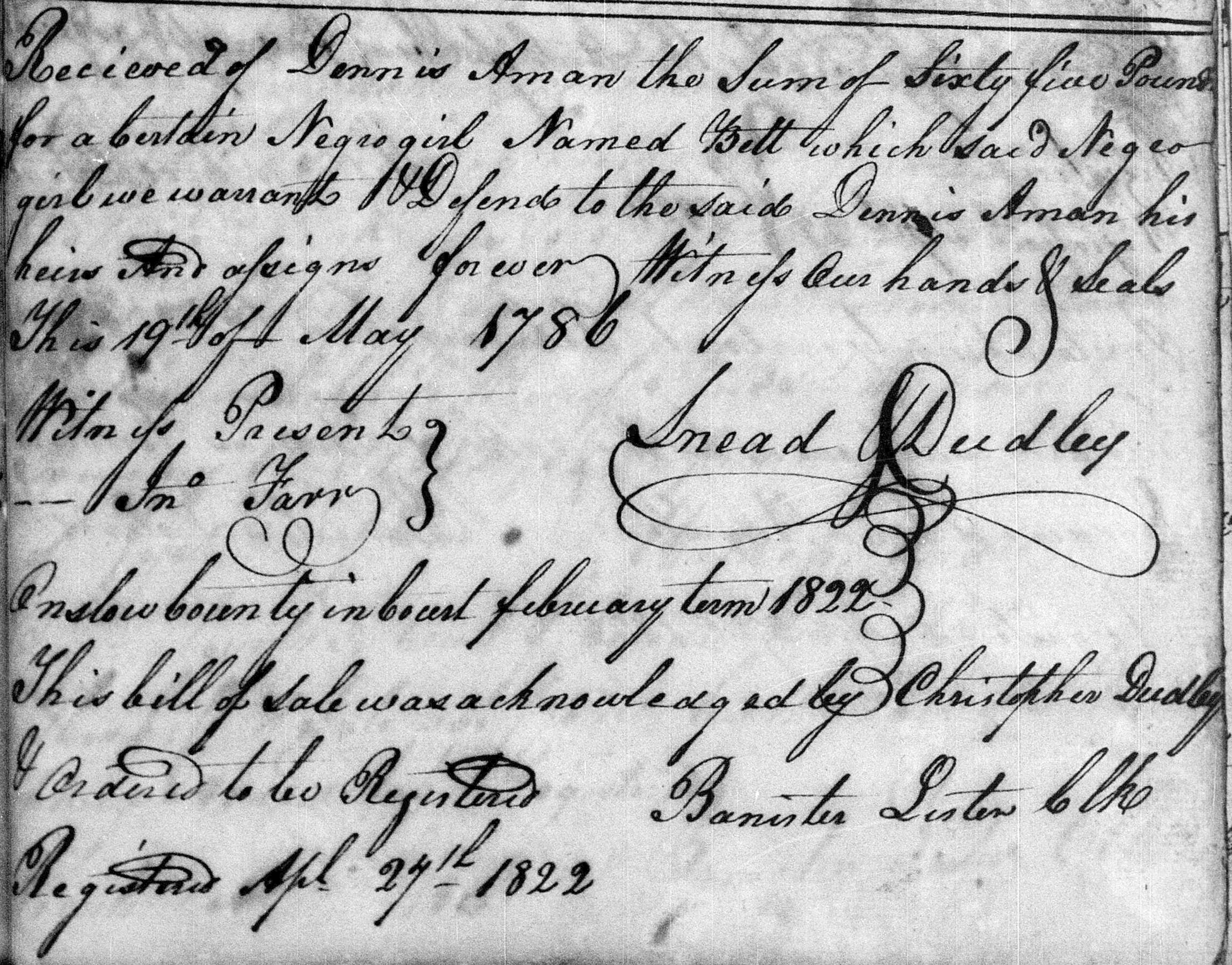
In North Carolina, the Register of Deeds is an elected county official. The office operates under state statutes to ensure that all documents are properly authenticated, indexed, and made available for public inspection. Most records dating back decades—and in some cases, centuries—are digitized to allow for remote or in-person searching.
Core Services Provided
The office handles several key administrative duties that impact residents on a daily basis. The most common services include:
- Real Estate Records: Recording deeds, mortgages, plats, liens, and other property-related instruments.
- Vital Statistics: Issuing birth, death, and marriage certificates for events that occurred within Onslow County.
- Marriage Licenses: Processing applications and issuing marriage licenses to couples intending to marry in North Carolina.
- Military Discharges: Recording and issuing certified copies of DD-214 forms for veterans (with restricted public access to protect veteran privacy).
- Notary Public Commissions: Administering oaths of office for notaries public commissioned in the county.
- Owner name (Grantor/Grantee)
- Book and page number
- Instrument type (e.g., deed of trust, warranty deed)
- Recording date range
- Parcel identification number
- The person named on the certificate
- A spouse, sibling, child, grandparent, or grandchild
- An authorized legal representative, agent, or attorney
- Completing the application online prior to arrival or in person at the office.
- Providing proof of identity and age (valid driver's license, passport, or birth certificate).
- Providing Social Security numbers (or documentation showing why one is not applicable).
- Paying the required license fee (cash, credit, or debit depending on county policy).
- Call Ahead for Specifics: Fees change, and document submission requirements can vary based on state law updates. A quick phone call can prevent wasted trips.
- Bring Proper ID: Whether you are picking up a vital record or filing a legal document, government-issued identification is mandatory.
- Know Your Document Numbers: If you are searching for a specific deed or plat, having the book, page, or parcel number ready will speed up the process significantly.
- Understand Staff Limitations: Remember that clerks and staff are public record administrators, not attorneys. They can point you toward documents and explain filing procedures, but they cannot interpret legal text or perform title searches on your behalf.
How to Access Property and Land Records
One of the most frequent reasons people visit or contact the Onslow Register of Deeds is for real estate research. Whether you are checking a property title before closing or investigating historical land boundaries, the office provides the necessary tools.
In-Person Research
Public computer terminals are available at the physical office location. Staff members can assist users in learning how to navigate the software, though they cannot provide legal advice or perform comprehensive title searches for you. Real estate professionals, abstractors, and independent citizens use these terminals daily to search grantor/grantee indexes.
Online Records Search
For added convenience, many records are accessible online via the Onslow County official website. Depending on the specific software portal used by the county, you can search indexed records by:
While basic index searches are often free, printing or downloading official uncertified copies may require a subscription or small per-page fee.
Obtaining Vital Statistics
The office maintains vital records for individuals born, married, or deceased within the county jurisdiction. North Carolina law regulates who can obtain certified copies of vital records to protect against identity theft.
Birth and Death Certificates
Certified copies of birth and death certificates are generally restricted to:
Applicants must present valid government-issued photo identification (such as a driver's license or passport) and complete an application form. Fees are set by state statute per certified copy.
Marriage Licenses
Couples planning to marry in North Carolina must apply for a marriage license through the Register of Deeds office. Key requirements typically include:
Note that North Carolina marriage licenses do not have a waiting period once issued, but they are generally valid for 60 days from the date of issuance and must be used within the state.
Office Location, Hours, and Contact Information
Before visiting the office in person, it is always wise to check current operating hours, holiday schedules, and any specific procedural updates on the official Onslow County government website.
Physical Address:
Onslow County Government Center
234 NW Corridor Blvd
Jacksonville, NC 28540
Standard Hours:
Monday through Friday, typically 8:00 AM to 5:00 PM (excluding county-observed holidays). Marriage license applications and vital record requests often have specific daily cut-off times to allow for processing before closing.
Tips for a Smooth Visit
To ensure your transaction with the Register of Deeds goes as smoothly as possible, keep these practical tips in mind:
By understanding the scope of services offered by the Onslow Register of Deeds, you can efficiently handle your property transactions, secure vital family documents, and navigate local government requirements with confidence.