Optimize Lab Productivity Using a Chemical Reference Table
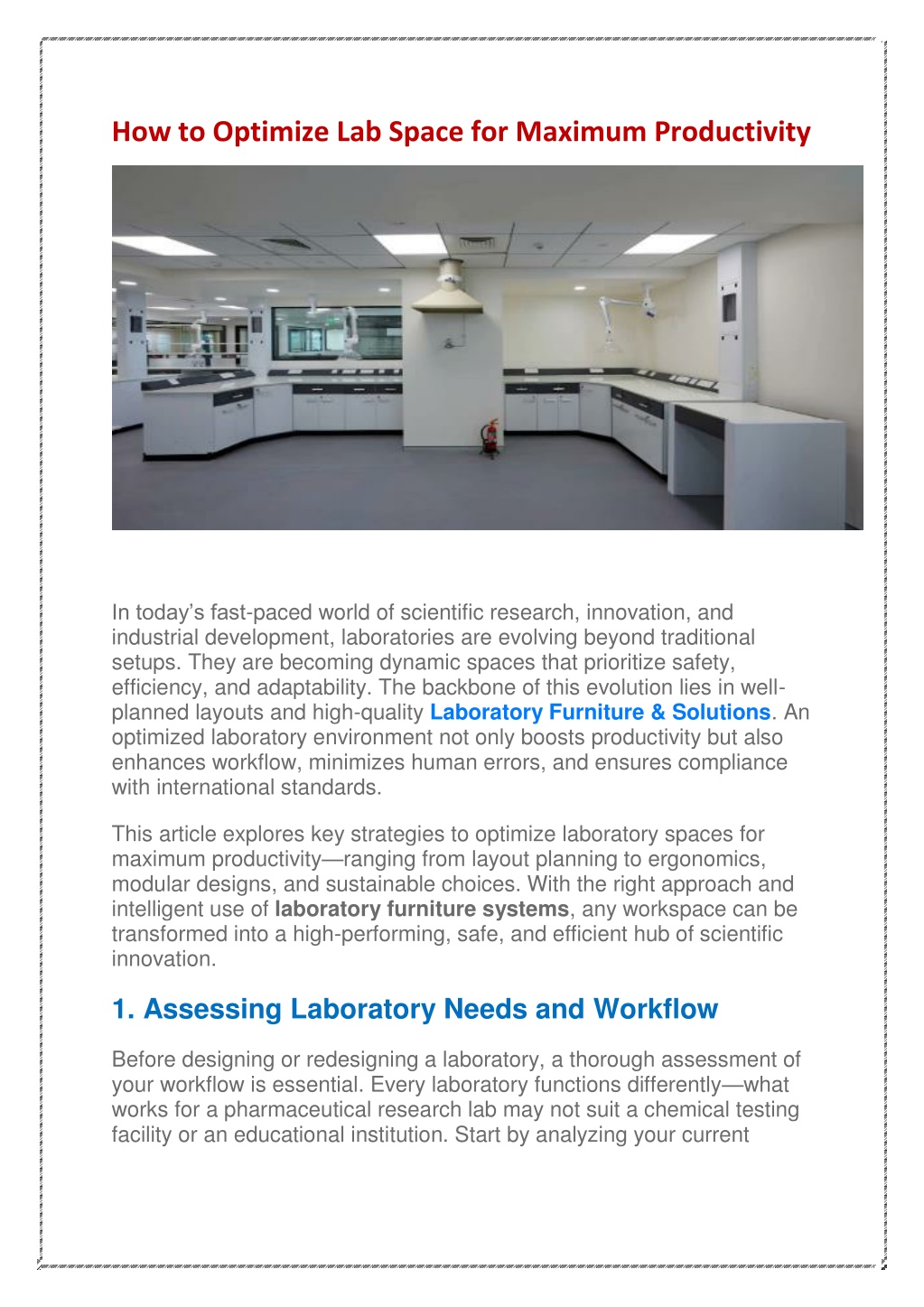
Modern laboratories operate in high-stakes environments where time, accuracy, and safety dictate success. Researchers, technicians, and lab managers constantly juggle multiple experiments, data analysis, and compliance protocols. Amidst these daily pressures, operational bottlenecks often emerge simply from hunting down physical properties, regulatory classifications, or reaction parameters. To eliminate this friction, you need to optimize your lab's productivity using a chemical reference table effectively. Far from being dusty textbook relics, modern chemical reference tables are dynamic tools that streamline workflows, prevent costly errors, and keep teams moving forward.
The Hidden Cost of Information Scatter in the Lab
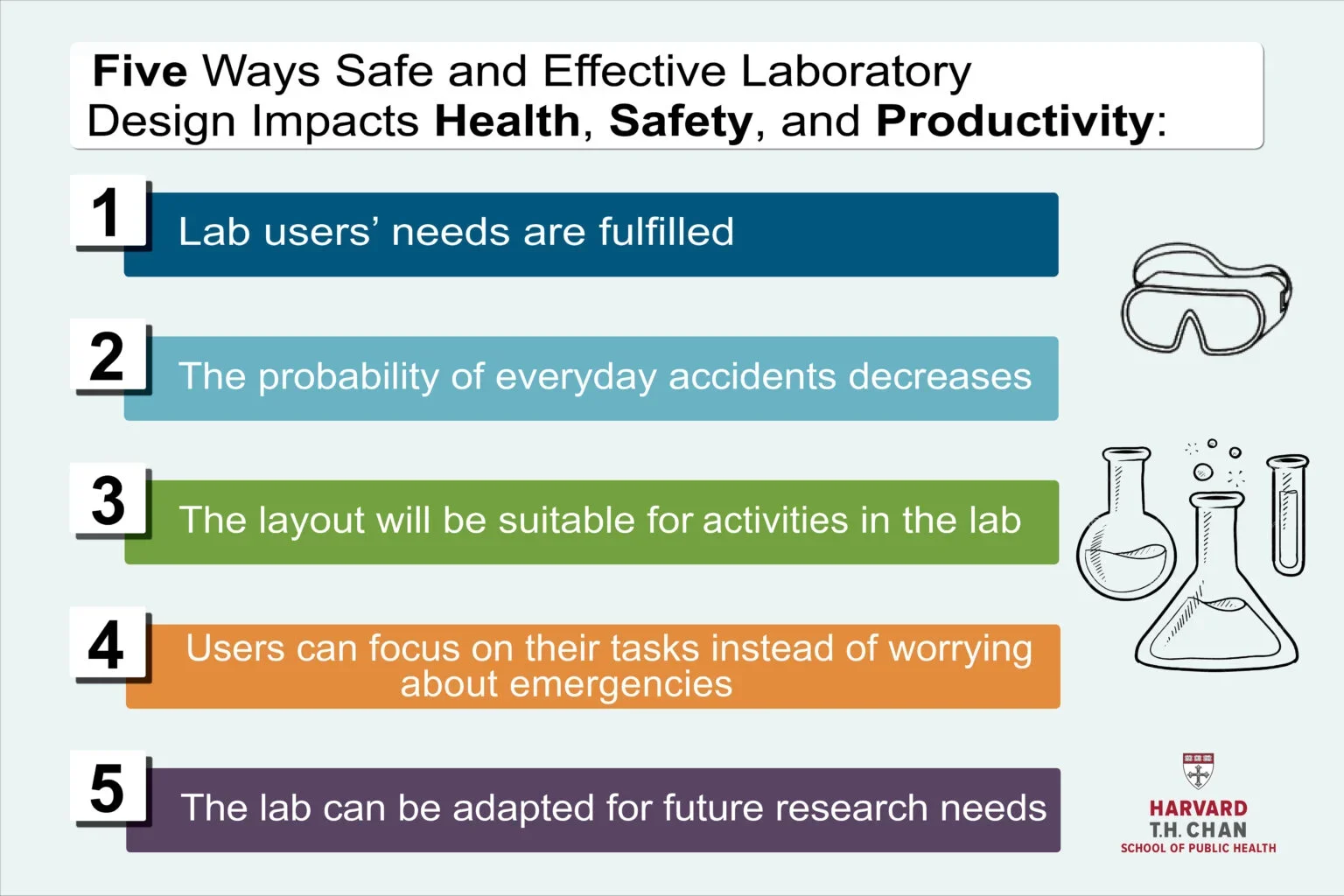
When a researcher needs to verify a boiling point, calculate molarity, or check hazard classifications, every minute spent searching digital silos or thumbing through multiple manuals drains momentum. Information scatter creates mental fatigue and introduces cognitive switching costs. If a technician has to cross-reference three different websites and an outdated binder just to confirm a solvent's density, the risk of human error multiplies.
Centralizing critical data into a well-structured chemical reference table transforms how a team operates. Instead of chasing information across fragmented sources, personnel rely on a single, authoritative anchor. This centralization fosters a culture of efficiency, where routine tasks take minutes instead of hours, allowing scientists to focus on innovation and analysis.
Core Elements of an Effective Chemical Reference Table
Not all reference guides are created equal. To genuinely enhance operational output, your tables must be tailored to the specific workflows of your facility. Whether digital or physical, a high-performing table should incorporate several key data pillars.
Essential Data Points to Include
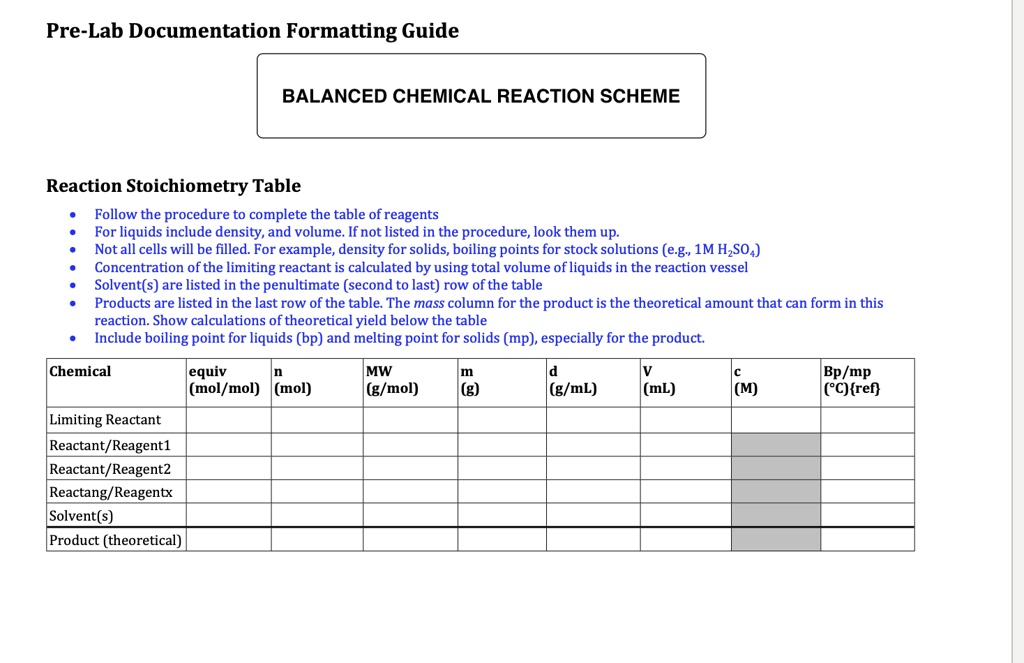
A comprehensive table goes beyond basic formulas. To minimize look-up time during active procedures, ensure your reference materials feature:
- Identifiers: IUPAC names, common synonyms, CAS numbers, and molecular formulas to eliminate ambiguity.
- Physical Properties: Molecular weight, melting and boiling points, density, and solubility profiles.
- Safety and Regulatory Data: GHS pictograms, NFPA diamond ratings, flash points, and incompatible substance warnings.
- Stoichiometric Helpers: Standard molar concentrations and dilution conversion factors.
Digital vs. Analog Formats
While traditional laminated wall charts and desktop binders have a place in the lab—especially during power outages or near fume hoods—digital reference tables offer superior scalability. Cloud-accessible spreadsheets or specialized laboratory information management systems (LIMS) allow for instant updates, robust search functions, and hyperlink integration to detailed Safety Data Sheets (SDS). Evaluating your lab's layout and daily habits will help you decide whether to deploy physical charts, digital dashboards, or a hybrid approach.
Strategies to Optimize Your Lab's Productivity Using a Chemical Reference Table Effectively
Having a reference table available is only half the battle; integrating it seamlessly into daily routines requires deliberate strategy. Implement the following practices to maximize the return on your informational investment.
1. Strategic Placement and Accessibility
Information must be available precisely where and when the work happens. Placing a comprehensive chemical reference table near weighing stations, chemical storage lockers, and primary prep areas cuts down transit and lookup time. If your team relies on digital tablets, ensure bookmarks are standardized across all devices and network connections remain stable throughout the facility.
2. Standardize Nomenclature and Data Entry
Confusion often arises from inconsistent naming conventions. One researcher might refer to a solvent by its trade name, while another uses its IUPAC designation. Standardizing entries within your reference tables prevents miscommunication and ensures that inventory audits, ordering, and experimental setups run smoothly without second-guessing.
3. Pair Reference Tables with Safety Protocols
Safety incidents grind laboratory productivity to an absolute halt. By embedding critical safety thresholds—such as permissible exposure limits (PEL) and immediate danger to life or health (IDLH) values—directly into your chemical reference tables, you bake compliance into everyday tasks. Workers can instantly evaluate reactivity risks before mixing compounds, drastically reducing the likelihood of spills, exposures, or ruined batches.
4. Establish a Routine Review and Update Cycle
Chemical regulations evolve, new suppliers introduce alternative purities, and internal laboratory processes change over time. A static reference table quickly becomes obsolete. Assign a team member to review and update your reference repository on a quarterly basis. Removing deprecated chemicals and adding newly acquired compounds keeps the tool sharp and trustworthy.
Measuring the Impact on Laboratory Workflow
How do you know your reference table optimization is working? Look for qualitative and quantitative shifts in daily operations. Track metrics such as:
- Reduction in time spent prepping reagents.
- Fewer near-miss safety reports related to incompatible chemical mixing.
- Improved turnaround times for analytical testing and synthesis projects.
- Positive feedback from junior staff and interns regarding onboarding speed.
When staff spend less time deciphering data and more time executing protocols, throughput naturally rises. Furthermore, junior researchers gain autonomy faster when they have a reliable, standardized guide to consult.
Conclusion
Maximizing scientific output requires more than advanced instrumentation; it demands efficient information management. By curating clear, comprehensive data and placing it strategically within your workspace, you empower your team to work smarter and safer. Take time to audit your current documentation, eliminate clutter, and implement a streamlined reference system today. The resulting clarity will translate directly into higher productivity, safer protocols, and smoother daily operations.