Options Yahoo: Hedging Your Portfolio
Mastering Portfolio Risk with Options Yahoo Tools
Market volatility can erode months or even years of steady investment gains in a matter of days. While long-term investing is a proven wealth-building strategy, leaving your portfolio completely unexposed to sudden downturns can be stressful. Fortunately, individual investors have access to powerful risk-management instruments. By utilizing Options Yahoo data and analytical features, you can effectively hedge your portfolio against unexpected market corrections without having to liquidate your favorite long-term holdings.
Hedging is essentially an insurance policy for your stocks. Just as you insure your home against fire or your car against accidents, options contracts allow you to cap your downside risk while maintaining your upside potential. Yahoo Finance provides a comprehensive, user-friendly interface to research, track, and analyze these contracts. In this guide, we will explore how to leverage Yahoo Finance's options chains to protect your capital.
Why Hedge Your Portfolio?
Every investor experiences periods of market turbulence. A well-designed hedge acts as a financial cushion during bear markets or sudden macroeconomic shocks. Rather than panic-selling quality assets—which often triggers capital gains taxes and causes you to miss the eventual market recovery—hedging lets you sleep soundly through the storm.
Common reasons to implement a hedging strategy include:
- Protecting Unrealized Gains: Securing profits on stocks that have appreciated significantly over the past year.
- Covering Earnings Volatility: Mitigating the risk of a steep post-earnings drop for high-growth tech or biotech stocks.
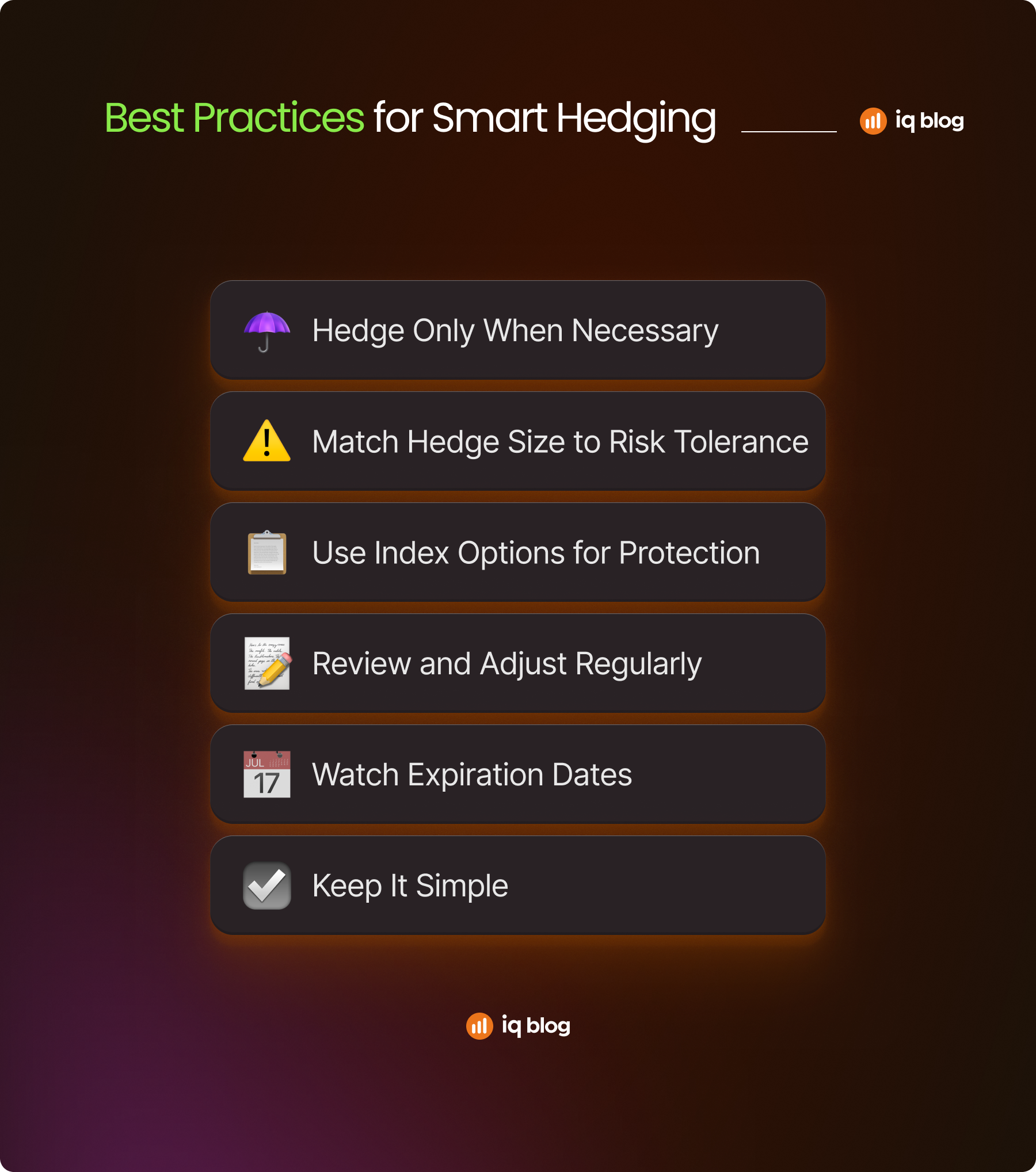
- Systemic Risk Reduction: Protecting an entire equity portfolio against a broader market correction using index options.
Navigating the Yahoo Finance Options Chain
Before you can place a hedge, you need reliable data. Yahoo Finance is one of the most popular platforms for viewing real-time options pricing, strike prices, expiration dates, and implied volatility. Here is how to navigate the platform to find the data you need.
Finding the Options Tab
To view options data for any stock or exchange-traded fund (ETF), simply type the ticker symbol into the Yahoo Finance search bar (for example, AAPL for Apple or SPY for the S&P 500 ETF). Once you arrive at the main quote page, look at the horizontal menu bar just below the stock price. Click on the tab labeled “Options”.
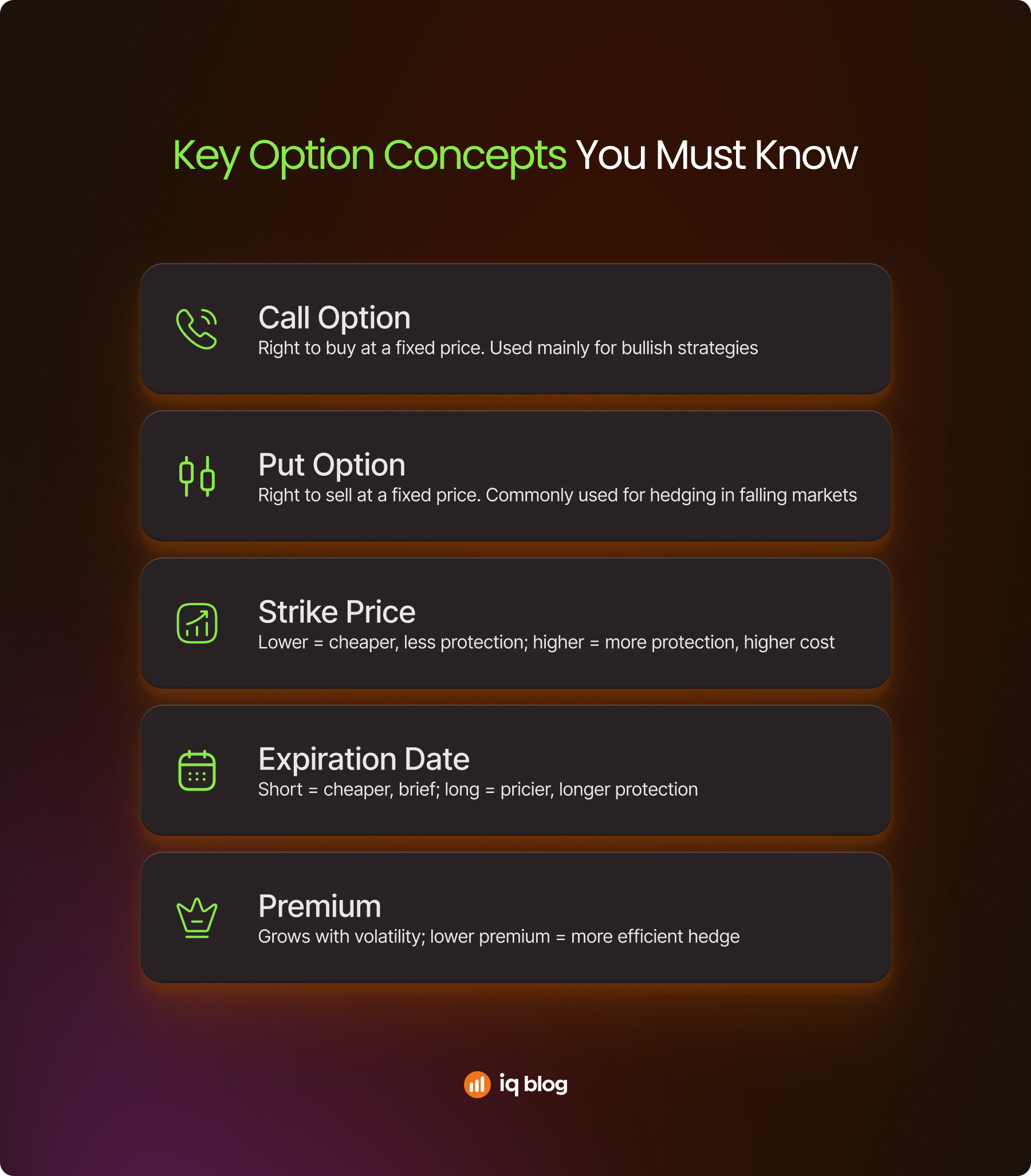
This action opens the options chain—a detailed matrix displaying all available put and call contracts for the chosen security. At the top of the page, you will see a dropdown menu containing various expiration dates. Shorter expiration dates (weeks away) are cheaper but decay quickly, while longer expiration dates provide extended protection at a higher upfront cost.
Understanding Calls vs. Puts for Hedging
Options contracts are divided into two primary categories: calls and puts. Understanding their distinct functions is critical for effective risk management.
- Call Options: Give the buyer the right (but not the obligation) to buy a stock at a specified price within a specific timeframe. These are typically used for speculation or generating income.
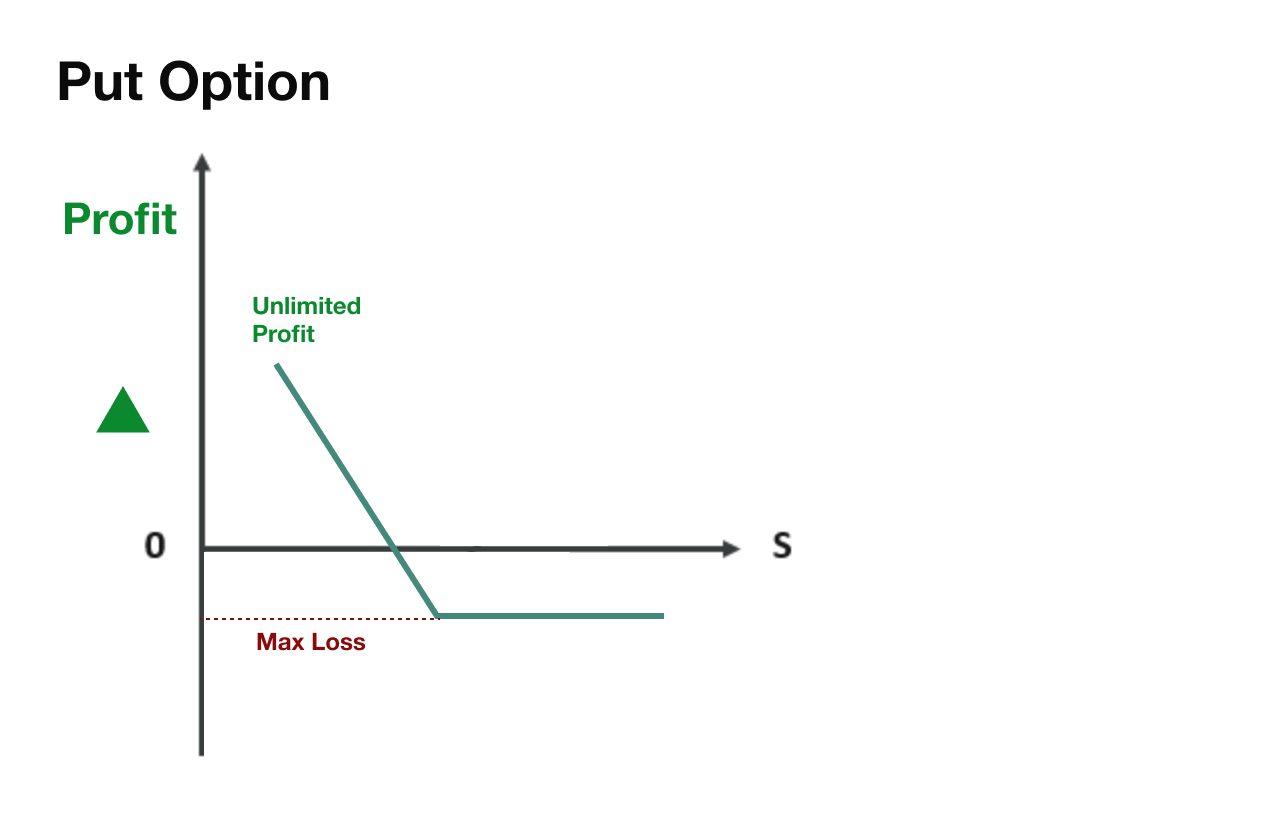
- Put Options: Give the buyer the right to sell a stock at a specified strike price. This is the cornerstone of portfolio hedging. If the underlying stock plummets, the value of the put option rises, offsetting your portfolio losses.
Practical Hedging Strategies Using Options Yahoo Data
Once you are comfortable reading the Yahoo Finance options chain, you can begin implementing specific hedging techniques. Below are two of the most common strategies utilized by retail and institutional investors alike.
1. Protective Puts (Married Puts)

A protective put is the most straightforward way to hedge an individual stock holding. Imagine you own 100 shares of a company trading at $150, and you are worried about an upcoming sector pullback. You can buy a put option with a strike price of $140 expiring in three months.
By using the Options Yahoo matrix, you can check the cost (known as the premium) of that $140 put. If the stock drops to $100, your stock position loses $50 per share, but your put option gains significant value, giving you the right to sell your shares at $140. Your downside is firmly capped, minus the cost of the option premium.
2. Index Hedging with SPY Puts
Hedging individual stocks can become expensive and complex if you hold a diversified portfolio of dozens of equities. Instead, many investors hedge their entire portfolio by purchasing put options on a major market index ETF, such as the SPDR S&P 500 ETF Trust (SPY) or the Invesco QQQ Trust (QQQ).
If your portfolio correlates closely with the broader S&P 500, a market-wide correction will likely drag your holdings down. By buying put options on SPY using pricing data found on Yahoo Finance, you create a portfolio-wide hedge. If the market sells off, your index puts will appreciate, cushioning the blow across your entire account.
Key Metrics to Monitor on Yahoo Finance
When selecting your hedge, evaluating the raw price isn't enough. You must analyze several key metrics provided in the Yahoo Finance interface to ensure you aren't overpaying for your insurance policy.
Implied Volatility (IV)
Implied volatility reflects the market's expectation of future price swings. When fear is high, IV spikes, making options significantly more expensive. Hedging during periods of extreme panic can be costly. Savvy investors often establish hedges *before* volatility spikes, when options are relatively cheap.
Open Interest and Volume
Always check the volume and open interest columns on Yahoo Finance. High volume and open interest ensure that the options contract has strong liquidity, meaning you can easily enter and exit the position whenever necessary without getting stuck with an unfavorable bid-ask spread.
Strike Price and Expiration
Decide how much downside protection you actually need. Out-of-the-money (OTM) puts are cheaper because the stock has to drop further before they kick in, whereas in-the-money (ITM) puts provide immediate protection but cost much more. Use Yahoo's multiple expiration tabs to balance cost against the duration of the risk.
Conclusion: Balancing Cost and Protection
Hedging is not a free lunch. Buying options requires paying a premium, which acts as a drag on your overall portfolio returns during a roaring bull market. However, viewing this cost as an insurance premium helps reframe its value. By leveraging the analytical tools and data found via Options Yahoo, you can take control of your risk exposure, protect your hard-earned capital, and navigate market uncertainty with confidence.