Oracion Santa Marta: The One Thing You Need To Know
Introduction
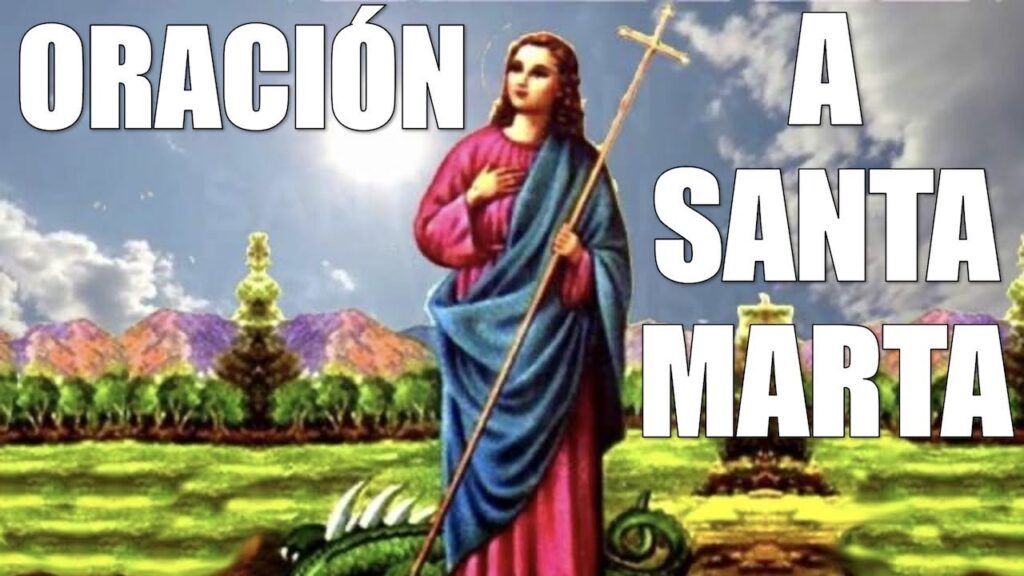
When life throws insurmountable obstacles in your path—whether it is a broken relationship, a stubborn financial crisis, or an adversary that refuses to yield—many people turn to folk Catholicism and Latin American spiritual traditions for help. Among the most powerful and revered intercessors is Martha of Bethany, known in Spanish as Santa Marta (Saint Martha). Her traditional petitions, particularly the popular Oracion Santa Marta, are famous for producing swift and dramatic results.
However, before you light a green candle, set out a glass of water, and begin reciting her petitions, there is a vital piece of context you must understand. Diving into this powerful devotion without knowing the underlying spiritual protocol can lead to unexpected consequences, unfulfilled expectations, or spiritual friction. This guide explores the history, the ritual, and The One Thing You Need To Know Before Praying This Oracion.
Who is Santa Marta and Why is She Revered?
In traditional Christian Scripture, Martha is known as the sister of Lazarus and Mary. She is celebrated for her hospitality, her hard work, and her bold declaration of faith in Jesus. However, in Latin American folk Catholicism, syncretic traditions, and Venezuelan Maria Lionza practices, Santa Marta takes on a much more fierce persona.
According to legend, Santa Marta tamed a devastating dragon—often called the Tarasca—that was terrorizing a village in southern France. She did not slay the beast with a sword; instead, she subdued it using holy water, a cross, and hymns. Because of this legend, folk practitioners view Santa Marta as a master of taming wild energies, calming difficult people, and binding hostile forces.
When modern petitioners recite the Oracion Santa Marta (often referred to as the prayer to Santa Marta la Dominadora, or Saint Martha the Dominator), they are calling upon this specific energy of mastery, protection, and overcoming impossible odds.
The One Thing You Need To Know Before Praying This Oracion
The single most important factor to understand before working with Santa Marta is the concept of spiritual reciprocity and the gravity of binding energy.
Unlike gentle prayers of petition that simply ask for peace or general blessings, the traditional Oracion Santa Marta is frequently used for dominance, binding, and forcing a resolution in chaotic situations. Many people use it to bring back a straying lover, force an employer to pay what is owed, or compel an enemy to leave them alone.
Here is what you must keep in mind before you begin:
- Your intentions must be clear and justified: Because this prayer invokes the energy of taming and dominance, it should never be used out of petty malice, greed, or a desire to genuinely harm another human being. Spiritual traditions warn that working with powerful intercessors under dark or manipulative pretenses often backfires on the petitioner.
- Binding has karmic weight: When you pray to "bind" someone's will so that they align with yours—such as in relationship reconciliation—you are interfering with another person's free will. You must be prepared to accept the spiritual responsibility of that intervention.
- You must fulfill your promises: Traditional Santa Marta devotion relies heavily on pacts or offerings. If you promise her coffee, candles, sweets, or a public testimony of her aid in exchange for her help, failing to deliver after your request is granted is considered a serious breach of spiritual etiquette.
How to Properly Prepare for the Ritual
If you have weighed your intentions, searched your conscience, and decided to proceed with the Oracion Santa Marta, preparation is key. Approach the altar or prayer space with deep respect, humility, and seriousness.

Required Elements for Your Altar
Traditional practitioners usually assemble a modest altar space when making their petition. You will typically need:
- An image, statue, or printed holy card of Santa Marta (ideally depicting her standing on or near a dragon, holding a cross and a bucket of holy water).
- A green or red candle (Green is often used for prosperity and steady work; red is frequently used for love, passion, and relationship matters).
- A glass of fresh water.
- An offering, which traditionally includes black coffee, white bread, or sweets, depending on regional customs.
The Traditional Text of the Oracion Santa Marta
While variations exist across different cultures and families, the most common traditional prayer translated into English begins with a recognition of her power over wild beasts and difficult situations:
"Oh, Santa Marta, miraculous, I resort to your protection, delivering myself into your hands, that you may grant me victory in my tribulation... (State your request here).
I beg you to overcome the difficulties as you overcame the dragon at your feet."
When praying, it is customary to recite the prayer for nine consecutive days (a novena), maintaining the same candle or lighting a new one each day while maintaining a focused, meditative mind.
Common Pitfalls to Avoid
Working with powerful folk saints requires discipline. Avoid these common mistakes:
Treating it like a casual wish list: Do not approach Santa Marta lightly. Treat the prayer as a serious spiritual consultation.
Impatience: Taming a dragon takes time. Do not panic if your results do not appear on day one of your novena.
Neglecting the cleanup: Once your petition is answered, make sure to thank the saint publicly or privately, and properly dispose of leftover candle wax and offerings according to your tradition.
Conclusion
The Oracion Santa Marta is a potent tool for those facing overwhelming life challenges, stubborn relationship hurdles, or hostile environments. However, approaching this devotion requires maturity and self-awareness. By understanding that you are invoking an energy of fierce mastery and binding, you can step into this practice with clear intentions, deep respect, and a readiness to handle the profound spiritual results that follow.


