Orca Eats Trainer at SeaWorld? What Really Happened
Online searches claiming an orca eats trainer at seaworld have circulated for years, fueled by tabloid headlines and viral rumors. The reality behind these searches is rooted in a devastating historical event: the death of experienced SeaWorld trainer Dawn Brancheau in 2010. While Brancheau was killed by a captive killer whale named Tilikum, the claim that the animal ate her is entirely false. Understanding the facts of that day clarifies the true nature of killer whales, the risks inherent to marine park captivity, and how this incident permanently reshaped the marine entertainment industry.

The Myth vs. Reality: Did an Orca Eat a Trainer at SeaWorld?
To state the facts clearly: no orca has ever eaten a human trainer at SeaWorld or anywhere else. Killer whales (Orcinus orca) are apex predators, but humans are not part of their diet. In the wild, orca populations specialize in specific prey—such as salmon, herring, sea lions, or rays—passed down across generations through distinct cultural pods. They do not view humans as food, and there is no documented case in history of a wild orca hunting, consuming, or killing a human.
The tragedy that occurred at SeaWorld Orlando on February 24, 2010, involved blunt force trauma, severe injuries, and drowning. Because the encounter was violent and resulted in catastrophic physical trauma, dramatic rumors emerged suggesting predation or cannibalization. These rumors distort what was already an immense tragedy and obscure the genuine behavioral problems associated with keeping large cetaceans in concrete enclosures.
The Tragedy of Dawn Brancheau: What Happened on February 24, 2010?
Dawn Brancheau, 40, was one of SeaWorld Orlando's most senior and respected animal trainers. She had worked at the park for 15 years, held a degree in psychology and biology, and was widely regarded as safety-conscious and deeply bonded with the animals under her care.
The Sequence of Events During 'Dine with Shamu'
The incident occurred toward the conclusion of a "Dine with Shamu" session, an intimate performance where guests ate near an open pool while trainers conducted educational and behavioral demonstrations. Brancheau was working with Tilikum, a massive 12,000-pound bull orca who was the largest killer whale in captivity.
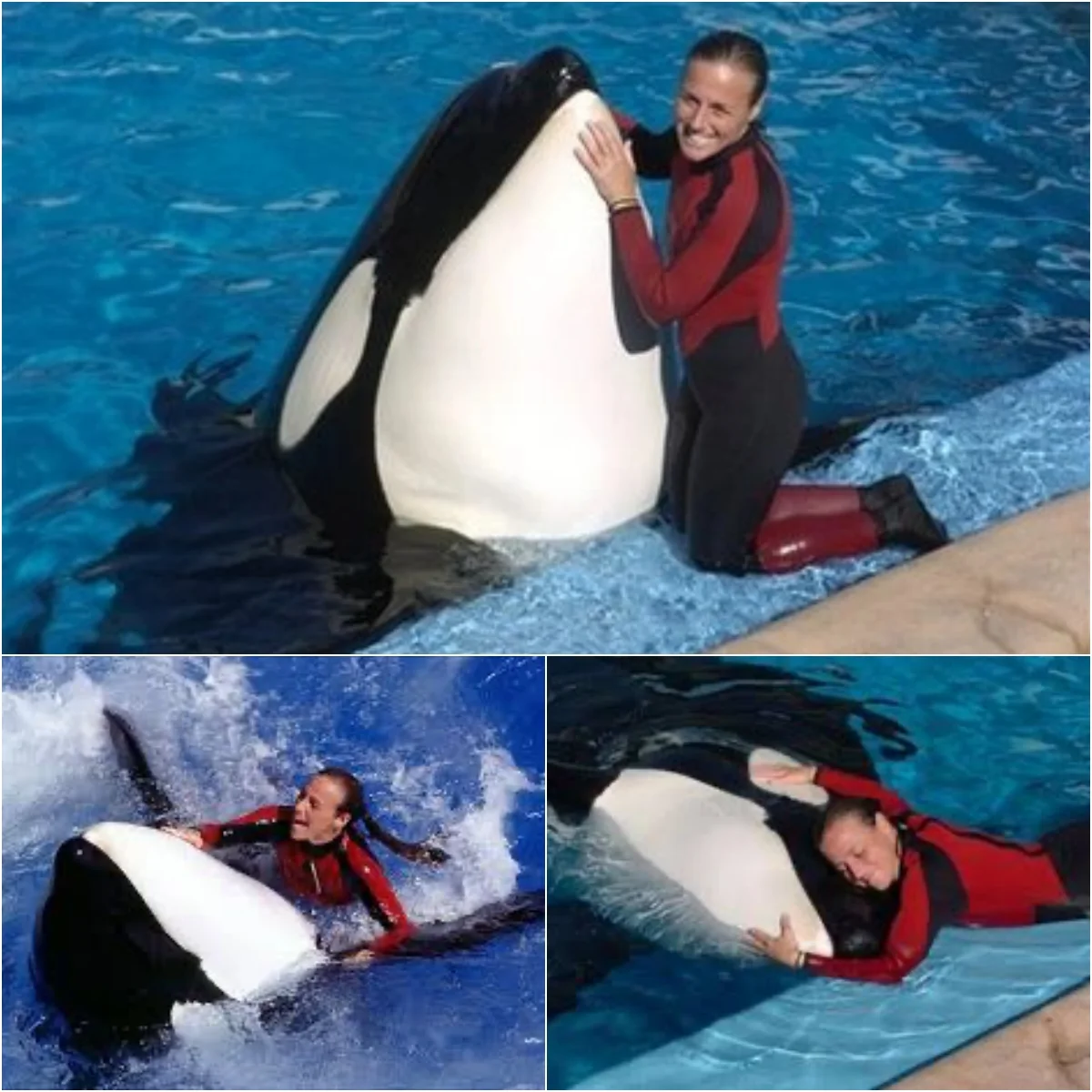
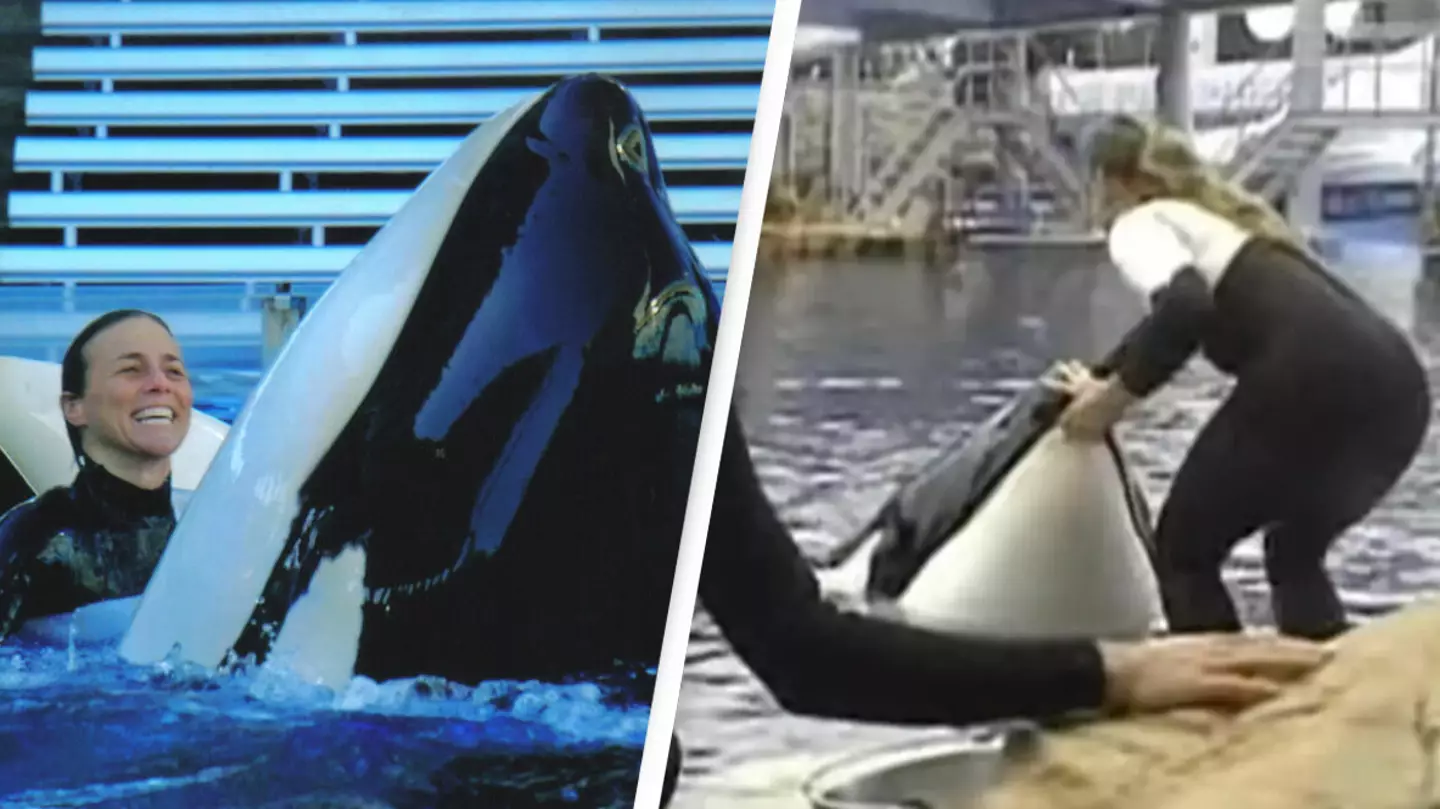
Witnesses and official incident reports state that Brancheau was lying on a shallow concrete ledge known as the "slide-out," interacting with Tilikum face-to-face while water washed over her. Her long hair, styled in a ponytail, floated near the orca's mouth. Suddenly, Tilikum clamped his jaws onto her hair and dragged her underwater into the deeper pool.
Despite emergency protocols, alarms, and attempts by other trainers to deploy nets and offer food rewards to distract the whale, Tilikum refused to release her. Over the course of approximately 45 minutes, Tilikum repeatedly submerged Brancheau, thrashing and carrying her between pools before staff could finally isolate him on a lift-bottom pool to retrieve her body.
Official Cause of Death
The Orange County Medical Examiner's autopsy report confirmed that Dawn Brancheau died from drowning and blunt force trauma. Her injuries included fractures to her jaw, ribs, and cervical spine, as well as lacerations and avulsions. The report concluded that the attack was physical and aggressive, but at no point did the animal ingest or attempt to eat her remains. The death was ruled an accident caused by traumatic injuries sustained in the water.
Tilikum’s History: A Pattern of Captive Incidents
Tilikum was not an ordinary marine park animal; he was an orca with a long, documented history of aggressive incidents. Captured off the coast of Iceland in 1983 at roughly two years old, Tilikum spent nearly three decades in human care. Before the death of Brancheau, Tilikum was already linked to two other human deaths:

- Keltie Byrne (February 20, 1991): At the now-defunct Sealand of the Pacific in Victoria, British Columbia, 21-year-old marine biology student and trainer Keltie Byrne slipped into the pool housing Tilikum and two female orcas (Haida II and Nootka IV). The whales repeatedly submerged Byrne, preventing her from climbing out, which led to her drowning.
- Daniel Dukes (July 6, 1999): A 27-year-old man hid inside SeaWorld Orlando after the park closed, evaded security, and entered Tilikum's pool overnight. The following morning, his body was discovered draped over Tilikum's back. The medical examiner identified drowning as the primary cause of death, accompanied by hypothermia and post-mortem trauma.
Because of his massive size and history, SeaWorld maintained strict rules prohibiting trainers from swimming with Tilikum. Only a small group of senior staff, including Brancheau, were permitted to work with him from the pool deck or shallow ledges.
Why Do Captive Orcas Turn Violent?
Marine biologists, animal behaviorists, and psychologists have extensively studied why an animal that poses virtually zero threat to humans in the wild would exhibit fatal aggression in captivity. Several factors contribute to these behaviors:
- Severe Spatial Limitation: Wild orcas swim up to 100 miles per day and dive hundreds of feet deep. In comparison, even the largest marine park tank represents a tiny fraction of one percent of their natural daily range.
- Sensory Deprivation and Stress: Concrete walls reflect echolocation clicks, creating an unnatural acoustic environment that can cause chronic psychological stress.
- Artificial Social Structures: In nature, orcas live in tight-knit matriarchal family groups for their entire lives. Captive whales are frequently grouped with unrelated individuals possessing different dialects and cultural norms, often leading to social friction and physical bullying.
- Frustration and Boredom: Highly intelligent animals forced to repeat structured behaviors for food rewards can experience deep behavioral anomalies, known among cetacean experts as "captivity-induced psychosis."
The Aftermath: Legal Battles, Blackfish, and Industry Reform
The death of Dawn Brancheau served as a global catalyst for reform regarding marine mammal captivity.
The OSHA Investigation
Following the incident, the Occupational Safety and Health Administration (OSHA) investigated SeaWorld and cited the company for willful safety violations. OSHA concluded that SeaWorld exposed trainers to recognized hazards by allowing them to work in close proximity to killer whales without adequate protection. A protracted legal battle ensued, resulting in federal rulings that permanently barred trainers from being in the water with orcas during shows.
The Impact of 'Blackfish'
In 2013, the documentary Blackfish premiered at the Sundance Film Festival and was subsequently broadcast worldwide by CNN. Focusing on Tilikum's life and Brancheau's death, the film brought the ethical and behavioral concerns of captive cetacean management into mainstream discourse. Public attendance plummeted, corporate sponsors withdrew partnerships, and SeaWorld suffered significant financial and reputational losses.
Long-Term Policy Changes
In response to overwhelming public and regulatory pressure, SeaWorld announced major policy changes in March 2016:
- An immediate end to its captive orca breeding program, making the current generation of whales at its parks the last.
- A phase-out of theatrical "Shamu" circus-style shows in favor of educational presentations focusing on natural behaviors.
- A shift in company investments toward animal rescues, rehabilitation, and non-animal amusement park rides.
Tilikum passed away at SeaWorld Orlando in January 2017 from a chronic bacterial lung infection at an estimated age of 36.
Final Thoughts
The sensational claim that an orca ate a trainer at SeaWorld is demonstrably false. What truly happened was a tragic loss of human life caused by a complex, deeply stressed wild animal reacting to decades of captive confinement. Dawn Brancheau's death exposed the fundamental incompatibility between keeping massive, socially complex apex predators in tanks and ensuring human safety, leading to permanent changes in how the world views marine parks.