Organize Your Life with March Color Codes
Why March is the Ideal Month for a Productivity Reset
January brings the rush of New Year's resolutions, and February often feels like an exhausting marathon through the dead of winter. By the time March arrives, daylight is lasting longer, and spring is right around the corner. This seasonal shift makes it the ultimate time to reassess your routines, clean out digital and physical clutter, and set yourself up for a productive second quarter.
One of the most effective ways to regain control of your time, commitments, and mental energy is to organize your life with March color codes. By assigning specific colors to different categories of your life—such as work, personal wellness, household chores, and finances—you instantly transform a chaotic calendar into an intuitive, visually balanced masterpiece. A quick glance at your weekly spread tells you immediately where your time is going and where you might be over-committing.
The Psychology of Color in Personal Organization
Color coding is far more than a cute aesthetic trend for bullet journals and Pinterest boards; it is rooted in cognitive psychology. Our brains process visual information significantly faster than raw text. When you look at a wall calendar or a digital planner filled with black-and-white text, your mind has to read and evaluate every single line to understand your workload.
When you introduce a deliberate color palette, your brain instantly categorizes information before you even read the specific words. This reduces cognitive fatigue, prevents decision paralysis, and helps you spot scheduling conflicts at a single glance. Furthermore, certain colors evoke psychological responses that can influence your mood and energy levels, making color choice an intentional part of your productivity strategy.
Step 1: Choose Your March Color Palette
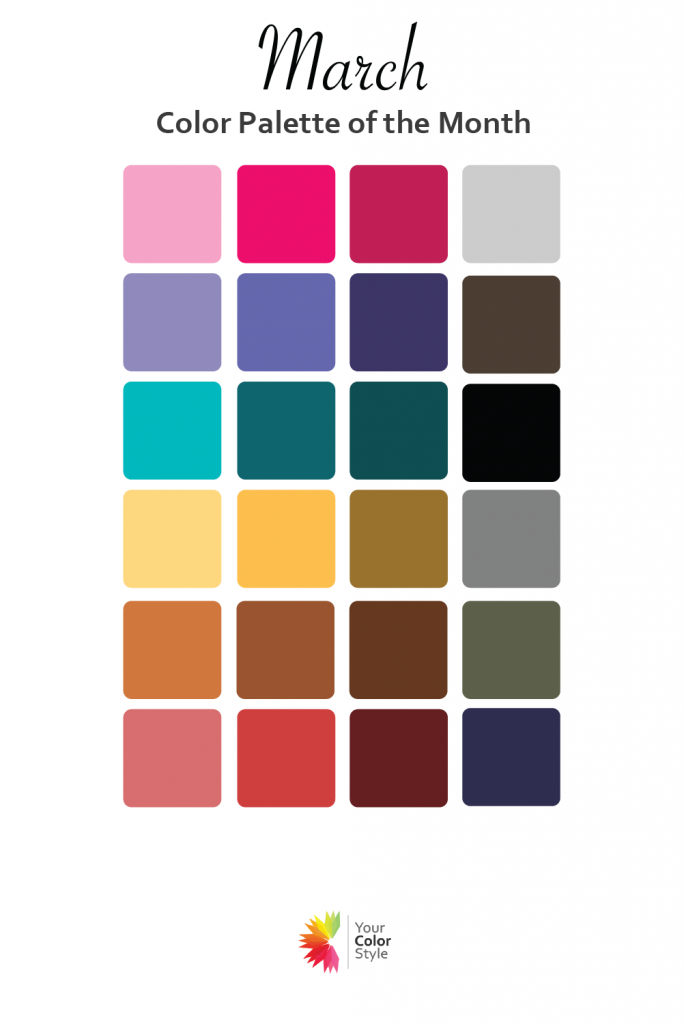
To successfully organize your life with March color codes, you need a cohesive and distinct palette. Because March bridges the gap between the cool tones of winter and the vibrant pastels or earth tones of spring, you can draw inspiration from the changing season.
Selecting 4 to 6 Core Categories
Limit your primary color categories to a manageable number. Too many colors will defeat the purpose and create visual clutter. A standard, highly effective system includes:
- Work & Career: Deep Blue or Slate Gray (represents focus, stability, and professionalism).
- Health & Wellness: Spring Green or Mint (symbolizes renewal, vitality, and growth).
- Household & Errands: Warm Yellow or Orange (brings energy and clarity to mundane chores).
- Finances & Admin: Purple or Rich Brown (denotes wealth, management, and structure).
- Social & Personal: Coral or Soft Pink (feels warm, inviting, and creative).
Digital vs. Physical Consistency
The golden rule of color coding is consistency. If work is blue in your Google Calendar, it must be blue in your paper planner, your color-coded sticky notes, and your desktop folder icons. Crossing your color streams will only cause confusion and lead you back to square one.
Step 2: Apply the System to Your Calendar and Planner
Video: How to Color Code in Your Planner | 3 Time-Blocking Techniques to Organize Your Life

Once your categories and colors are locked in, it is time to map them onto your schedule. Whether you use a digital app like Apple Calendar, Outlook, or Notion, or prefer a traditional paper notebook, consistency remains your best tool.
Time Blocking Your Week
Instead of floating through your days reacting to whatever task pops up first, use your color codes to block out dedicated chunks of time:
- Open your calendar for the upcoming week in March.
- Block out non-negotiable fixed commitments (like work hours or classes) using your primary work color.
- Layer in your health commitments—such as gym sessions, meal prep, or evening walks—using your green wellness color.
- Assign specific slots for household maintenance and admin tasks so they do not bleed into your personal downtime.
As you step back and look at the completed week, check for visual balance. If your calendar is 90% blue and zero percent green or coral, you have an immediate visual indicator that burnout is looming, prompting you to adjust before the week even begins.
Step 3: Decluttering Your Physical and Digital Spaces
Color coding shouldn't stop at your calendar. Extending this methodology to your physical environment and digital files reinforces the habit and amplifies your organizational success this March.
Physical Color Coding Hacks
Use inexpensive office supplies to overhaul your physical workspace:
- File Folders: Assign color-coded hanging folders to match your digital calendar categories (e.g., green for medical and wellness records, purple for tax and financial documents).
- Sticky Notes: Keep a pack of color-coordinated sticky notes on your desk to quickly jot down tasks and stick them directly into the corresponding section of your planner.
- Storage Bins: Use color-coded labels or bins in your pantry, office, or closet to keep family members or coworkers on the same page.
Digital Folder Organization
If your desktop or Google Drive is a graveyard of random screenshots and untitled PDFs, March is your time to spring clean. Color-code your computer desktop folders to mirror your life categories. Not only does this make file retrieval lightning-fast, but it also brings a surprising sense of calm every time you minimize your browser windows.
Maintaining Your Color-Coded System All Month Long
Implementing a new system is easy; sticking with it through the end of the month requires mindfulness. To ensure your March color-coding system actually sticks, follow these simple maintenance tips:
- Keep a Legend Handy: If you are new to the system, tape a small color key inside the cover of your journal or save it as your phone's lock screen for the first two weeks.
- Review Weekly: Spend ten minutes every Sunday evening reviewing the upcoming week's colors to ensure proper balance and preparation.
- Give Yourself Grace: If you miss a day or use the wrong color pen, don't abandon the system. Organization is a tool to serve you, not a rigid prison.
By taking a little time to set up your categories and commit to a unified palette, you will breeze through the month with less stress, greater clarity, and a beautifully organized life.